

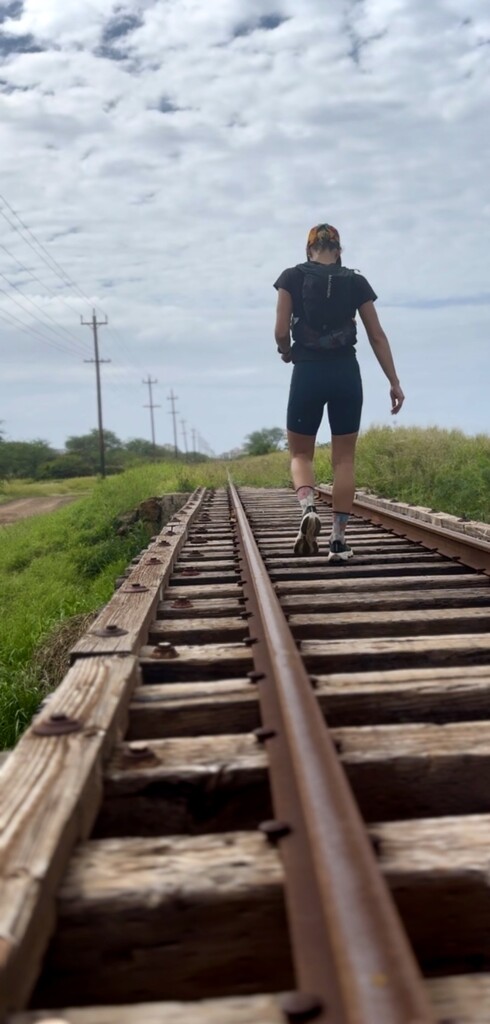

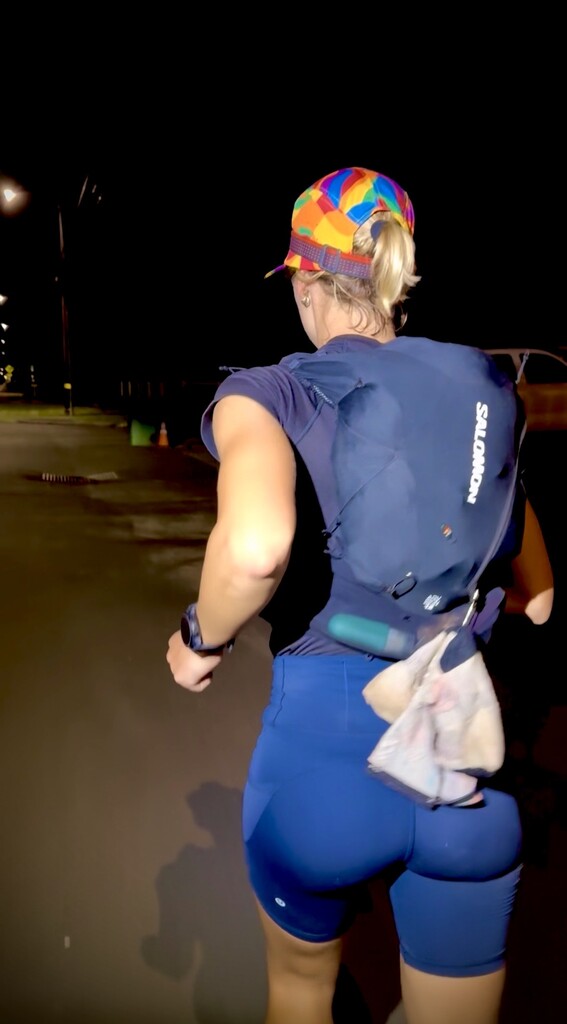
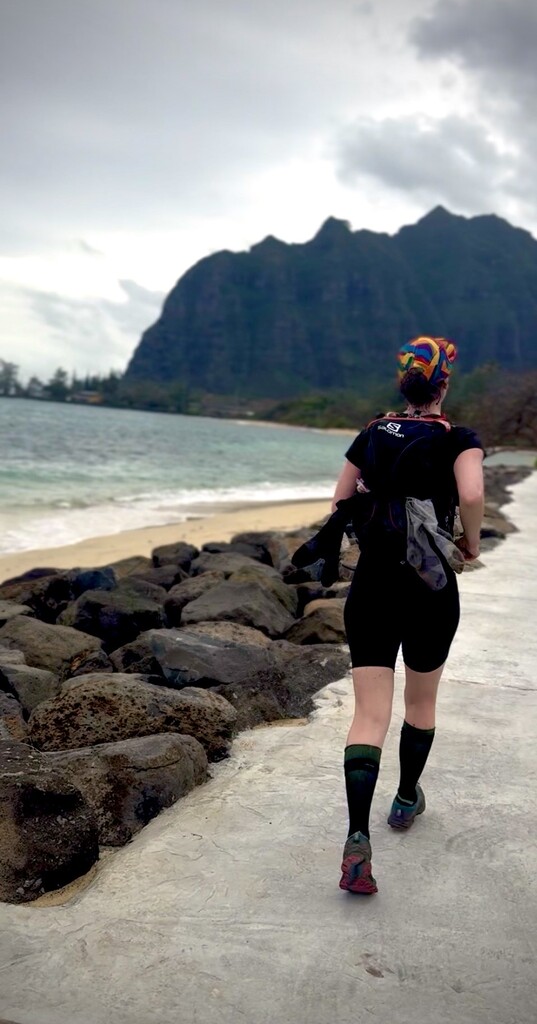


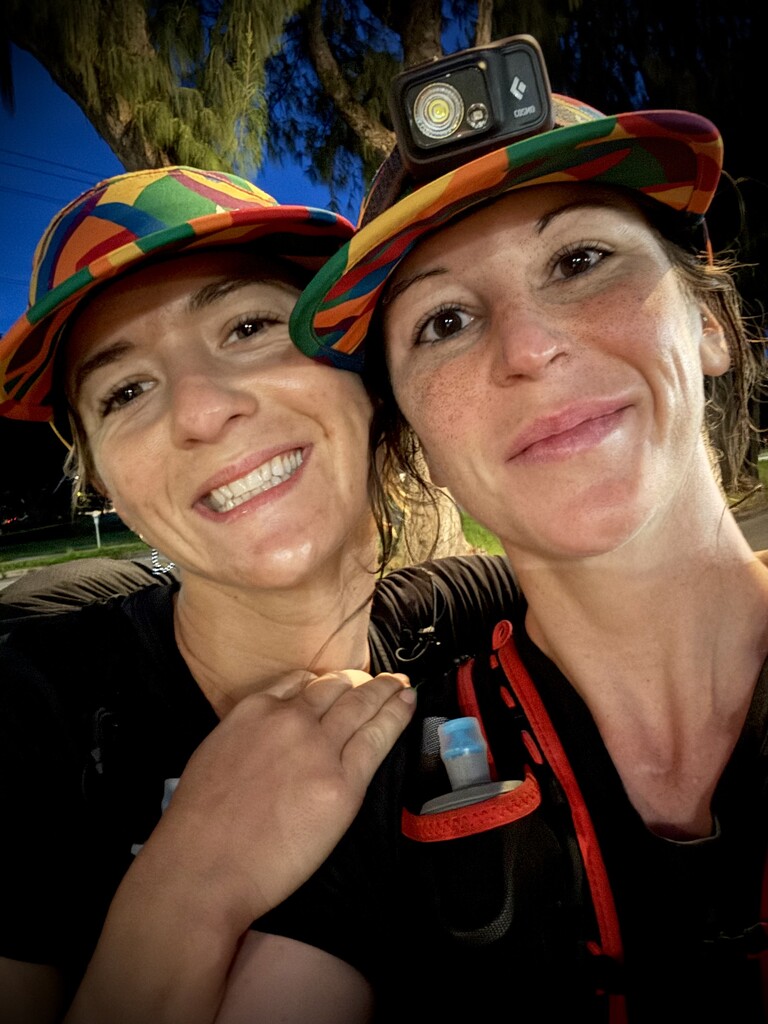

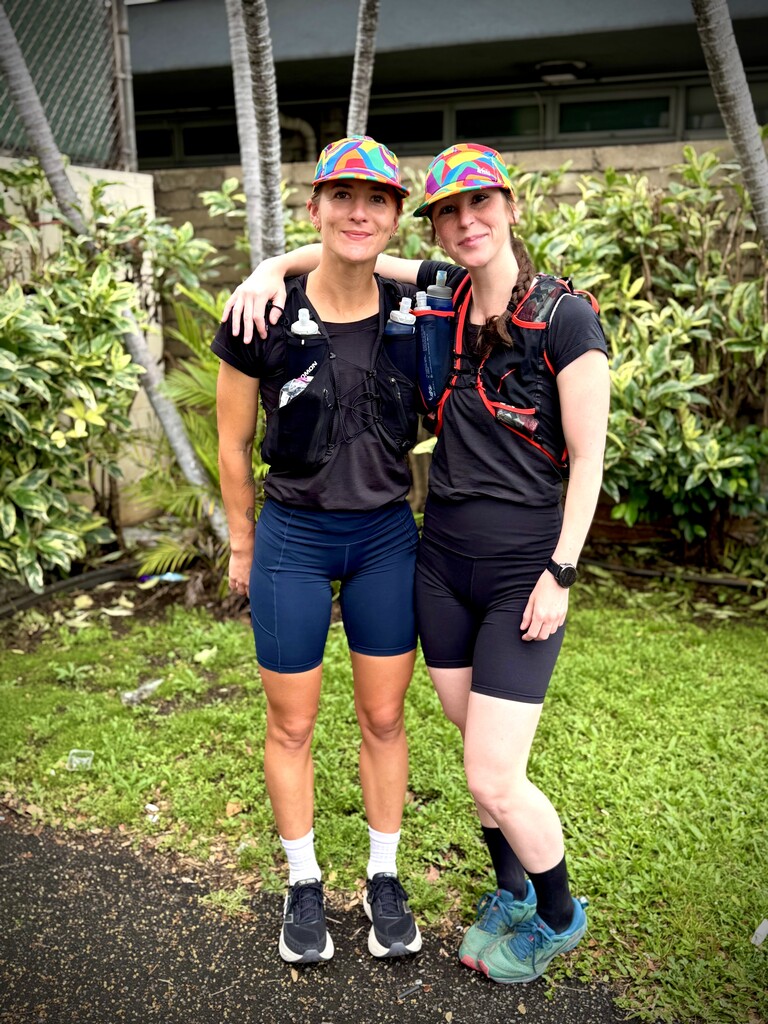
Amélie and I are longtime friends and have already shared several athletic adventures together—including, among others, the Manhattan Loop FKT in October 2023. Unfortunately, we don’t get the chance to see each other often, as I live in Quebec, Canada, while she recently moved to Hawaii. The plan was for me to visit her in Hawaii in mid-March 2026 to celebrate her birthday. So, around mid-February, we hopped on a call to discuss the trip. I made the mistake of asking her what activity she’d like to do for her birthday while I was there. She then sent me a link to the O’ahu FKT, mentioning that she’d love for us to attempt it together. I thought she was joking, especially since she was springing this on me a month in advance! We both have solid backgrounds in endurance sports; however, at the very moment she was pitching this plan to me, she was suffering from lower back and sciatic pain, while I had run a grand total of only about 150 km over the preceding five months. Consequently, the mere idea of even considering such a project struck me as absolutely preposterous—but Amélie can be incredibly persuasive when she puts her mind to it!
She pointed out to me that no woman had yet submitted a time for a self-supported attempt, so if we gave it a try, we wouldn't face any pressure regarding a time to beat and could take all the time we needed. Furthermore, she mentioned that her husband would be at home and could come pick us up by car at any point along the route should we need to drop out. So, she sold it to me as a no-brainer: we start, we take our time, we have fun, we go as far as we’re able, and her husband comes to get us if necessary. I wasn’t able to say no to her, even though the plan seemed completely insane to me. So, I slightly increased my running volume during the few weeks remaining before joining her in Hawaii, and during that time, she treated her sciatica pain as best she could through physical therapy.
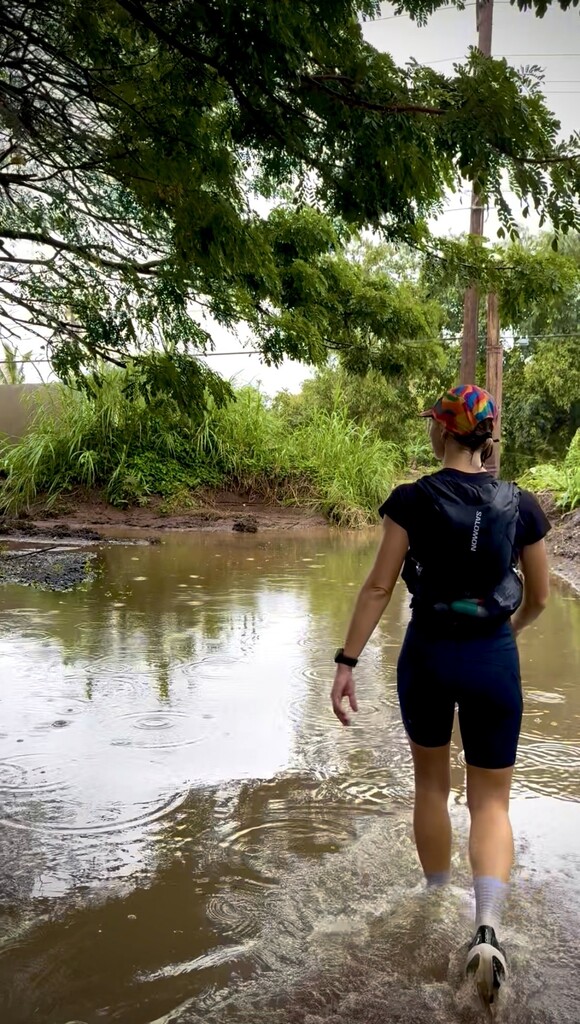
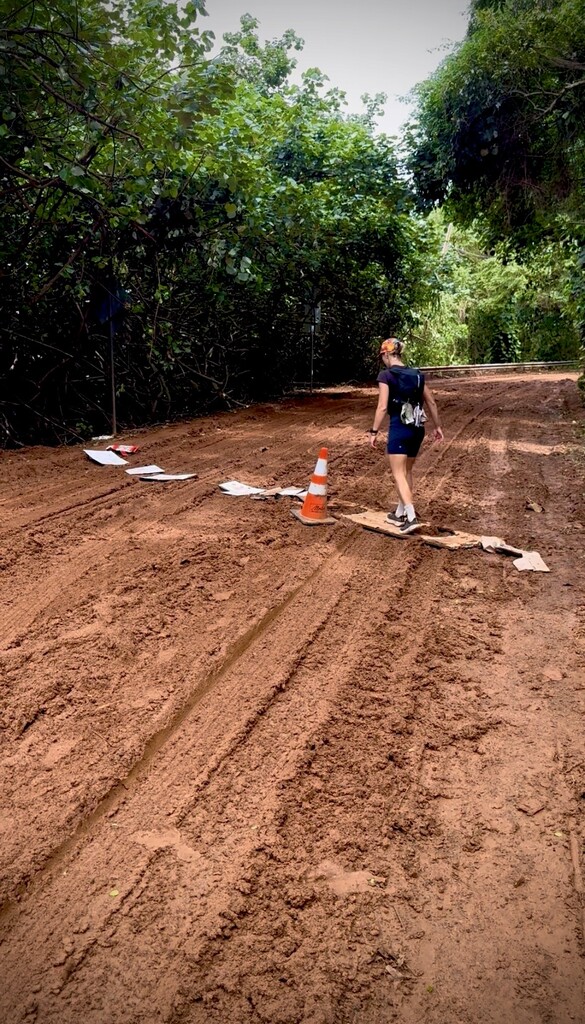
When I arrived in Hawaii, a storm was raging! Torrential tropical rains were underway (a "Kona Low") and showed no signs of letting up anytime soon. For the entire 10-day duration of my planned stay, the weather forecast called for an 80% to 100% chance of rain every single day. We were, of course, disappointed by this, but we didn't let it discourage us. We analyzed the situation meticulously and selected the 48-hour window during which the forecast predicted the least amount of rain (specifically, from the morning of March 15th to the morning of March 17th). Even though very little rain was predicted for those 48 hours, it is worth noting that up to 50 centimeters of rain had just fallen in certain parts of the island, meaning there was a risk of flooding in numerous locations.
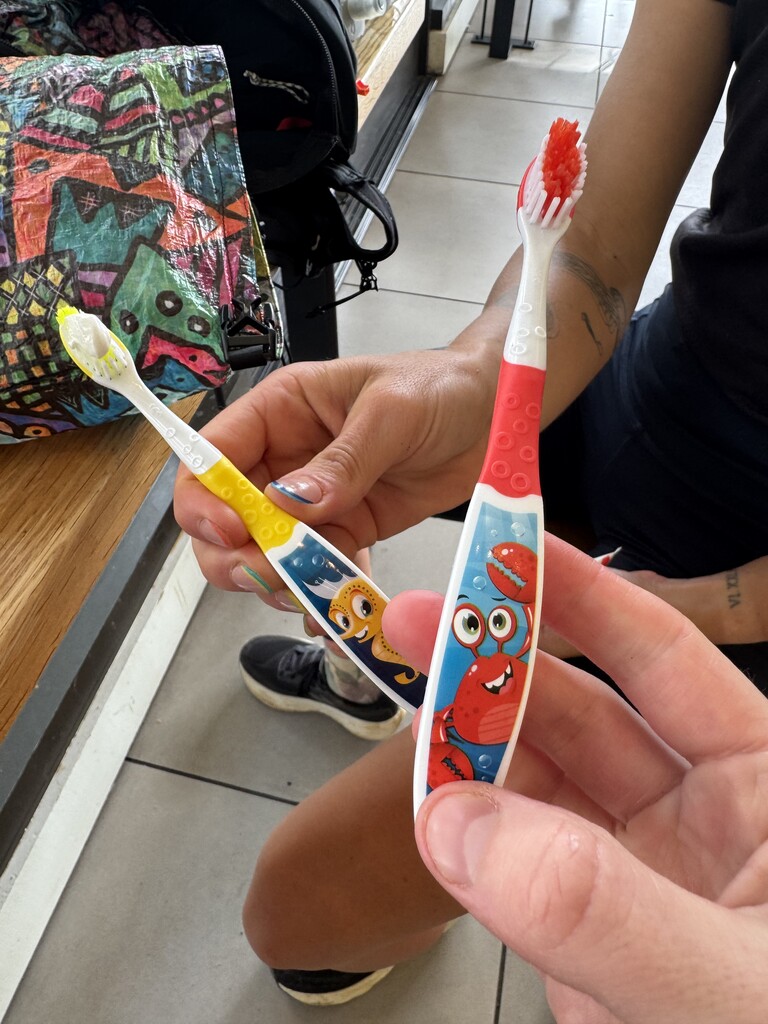
We decided to give it a try regardless, so we prepared accordingly. We wore hydration vests, each carrying the equivalent of eight pounds of gear. Each of us carried: 24 small nutrition bars, bottles with a 2-liter capacity, a blister-care kit, a headlamp with spare batteries, a power pack along with cables to charge our watches and cell phones, medications for emergencies (anti-inflammatories, acetaminophen, anti-nausea meds, etc.), three changes of socks, sunscreen, Vaseline and Body Glide cream, a toothbrush and toothpaste, an emergency foil blanket, tissues, safety pins, hand sanitizer, sunglasses, a rain jacket, and a reflective vest to ensure we were clearly visible at night.
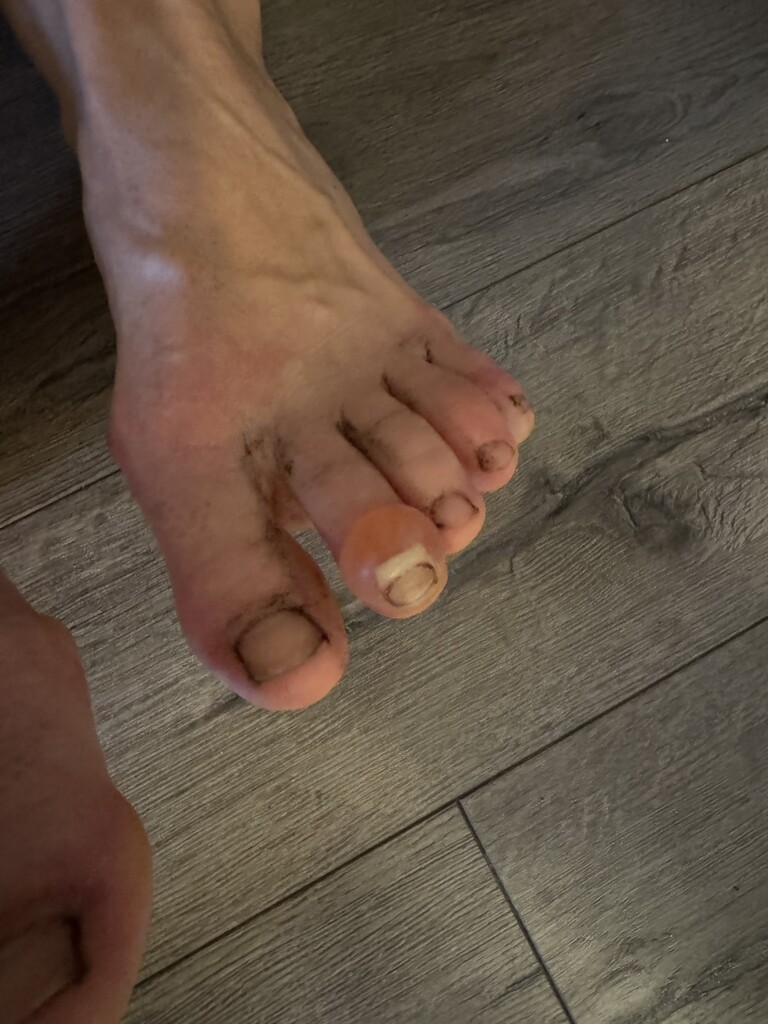
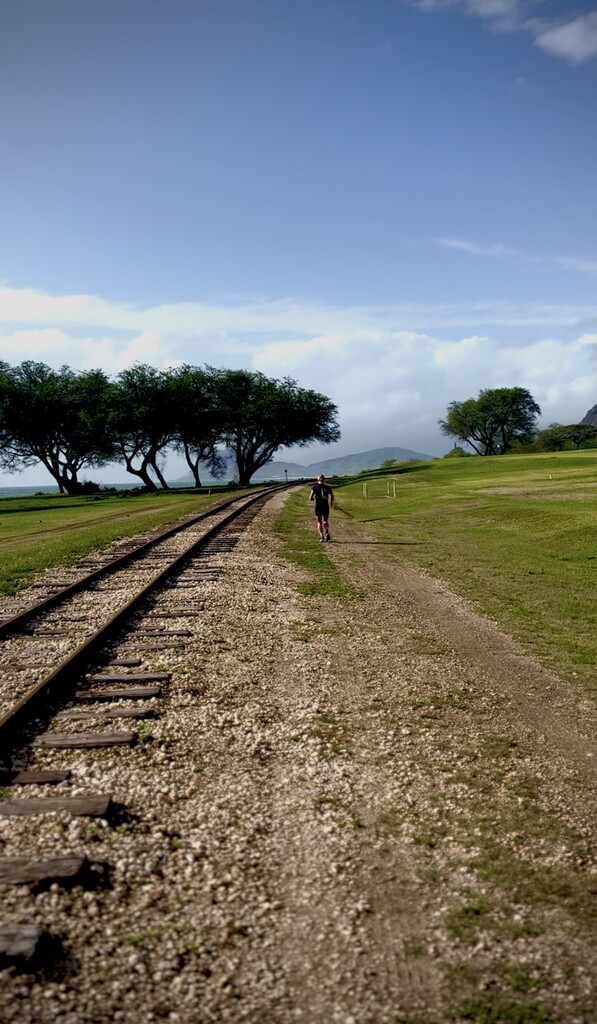
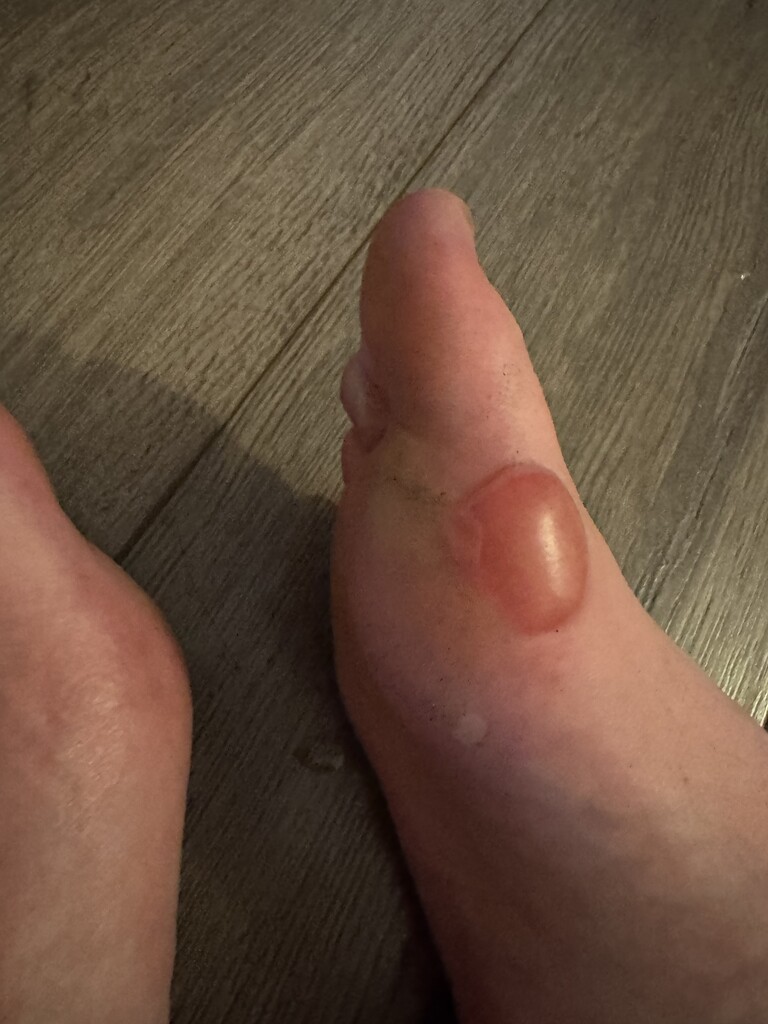
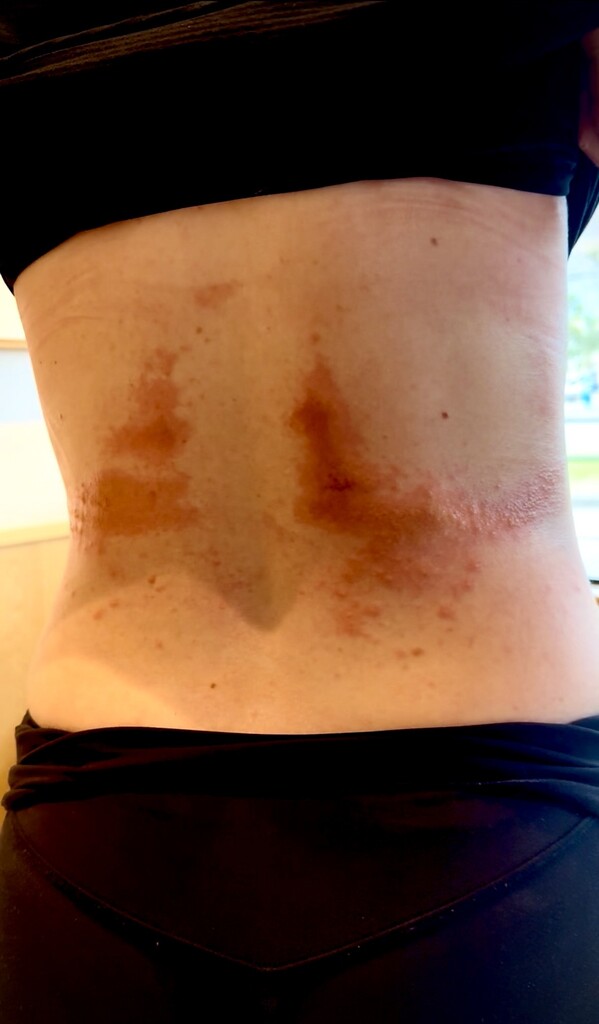
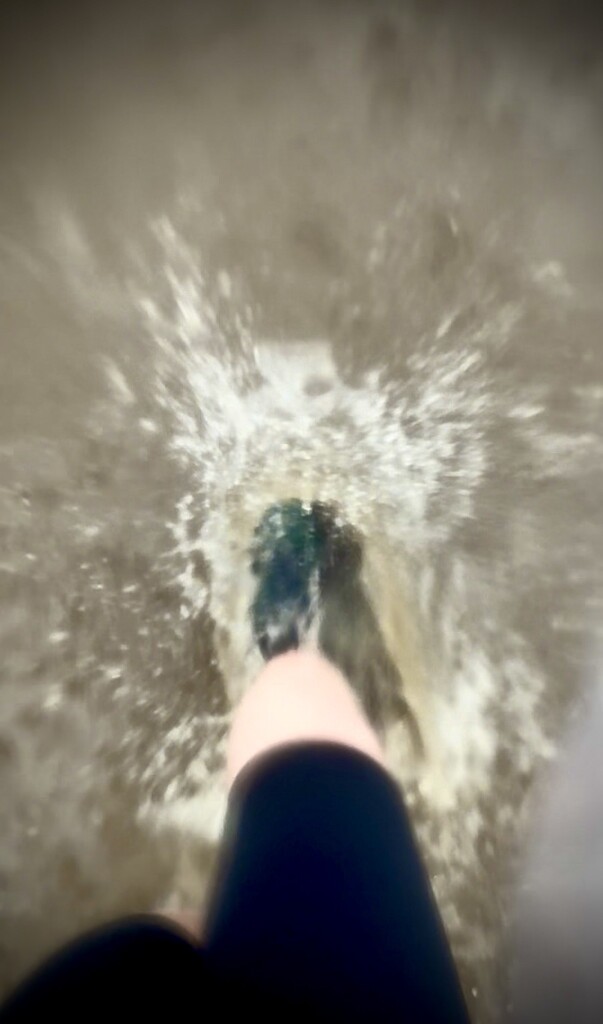
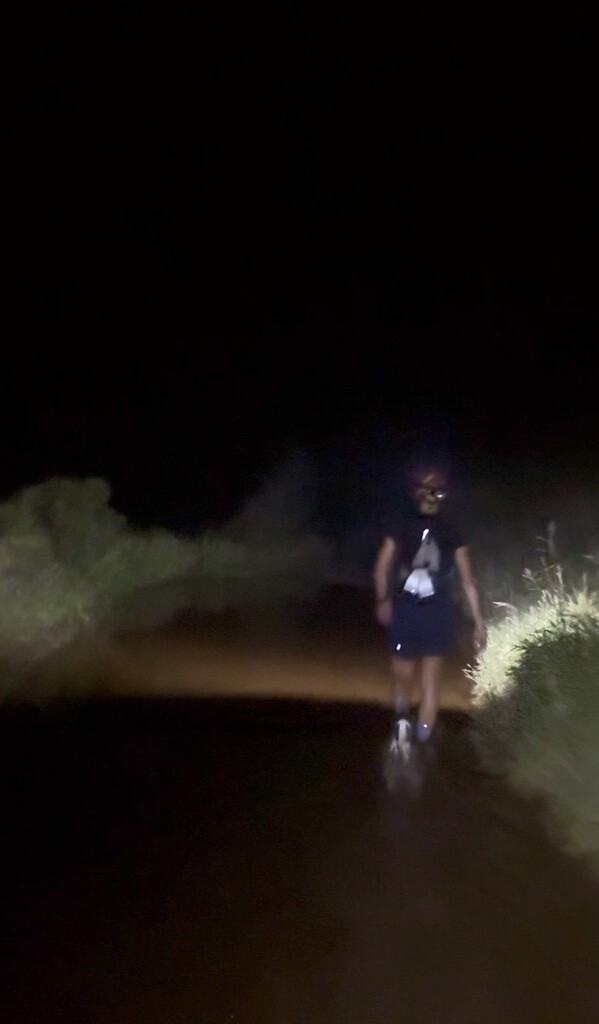
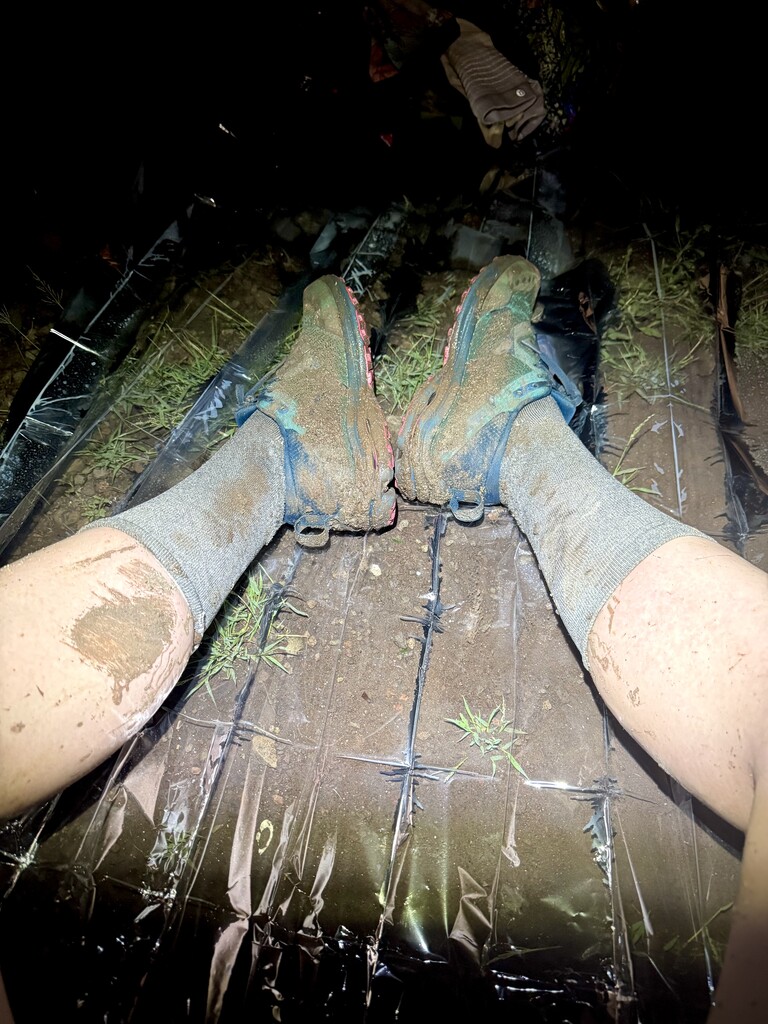
We began our journey on Sunday, March 15th, at 8:30 in the morning. We started near Waikiki and set out on the route in a clockwise direction. During the first 24 hours of this adventure, our feet were wet almost continuously, as it rained all day long (totaling about 5 cm of rainfall), and we also encountered numerous flooded areas. Not only were our feet constantly soaked, but our shoes were also packed with mud, sand, and rocks—in short, the perfect combination for causing blisters! On top of the multiple blisters on our feet, the rain and humidity quickly presented another challenge: chafing.
The discomfort stemming from blisters and chafing was tolerable, so we pressed on. Fortunately, it barely rained during the second 24-hour stretch of our adventure, which gave us a bit of a reprieve on that front. That said, the further we went, the more the aches and pains began to set in—pain in the arches of our feet, muscle pain, joint pain, headache, nausea, digestive issues, and the list goes on. I estimate that we ran almost exclusively for the first 100 kilometers; we then alternated between walking and running for the next 100 kilometers, and finally walked the last 20 kilometers exclusively to complete the loop—managing to finish by the skin of our teeth.
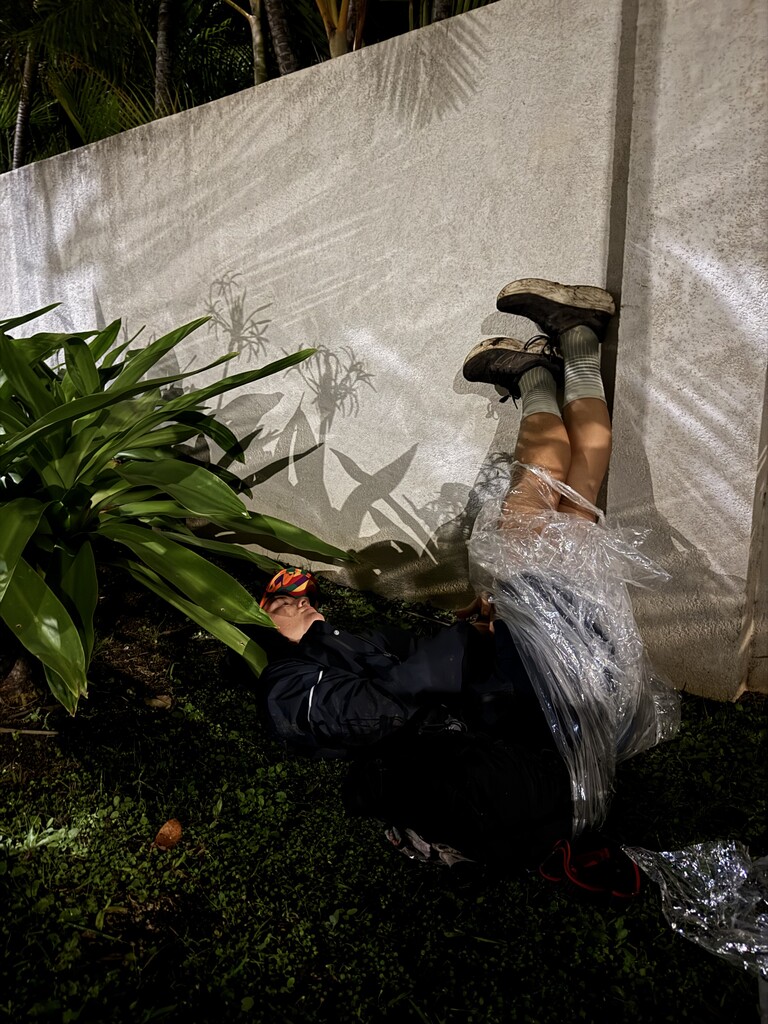
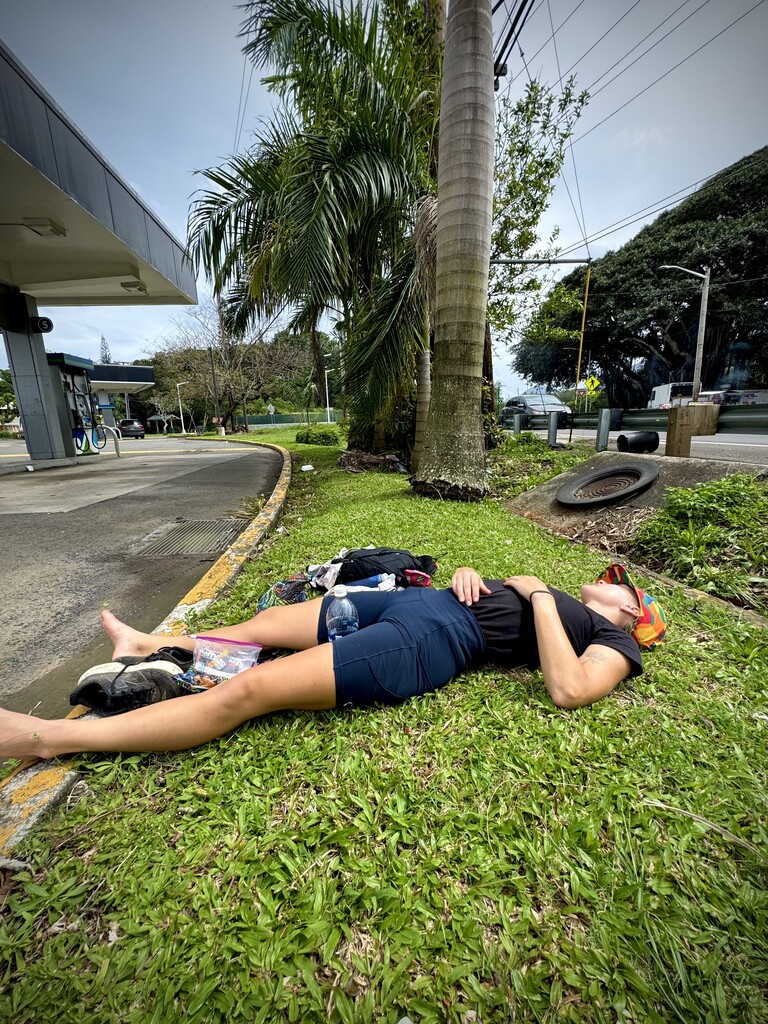
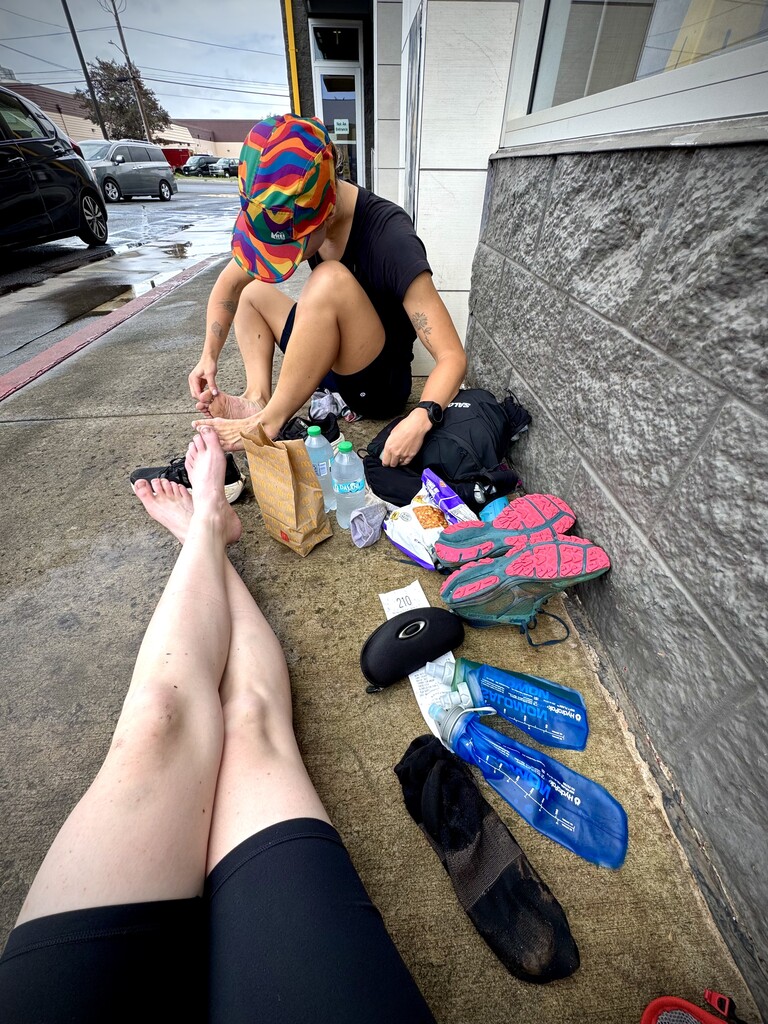
We took about twenty breaks in total all lasting between 30 to 60 minutes. During almost every one of these stops, we would pull over at a store to resupply on water and food—mostly 7-Elevens, but also two McDonald’s and two Starbucks. In addition to refueling we would take off our shoes and socks to let our feet dry, reapply anti-chafing cream to our friction points, put on more sunscreen, use the restroom, and, of course, simply sit down for a bit and let our legs rest. In total, we attempted to take five naps, but each time proved largely fruitless. During the first night, we were unable to sleep because we were afraid (we were in areas with a large homeless population); then, on the second night, our legs ached so badly that it prevented us from drifting off. We estimate that, across these five attempts, Amélie managed to sleep for a total of about one hour, while I got roughly 20 minutes. So you can imagine that over the last few hours, our eyelids were heavy!
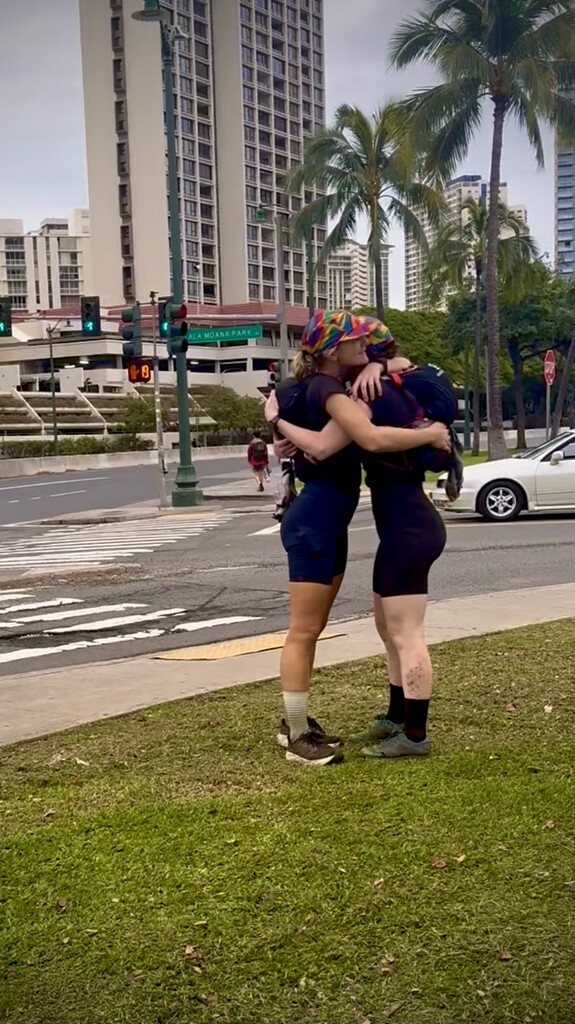
It is also worth noting that, prior to this challenge, the longest distance Amélie had ever run was 100 km, and I, 160 km; it was therefore ambitious to believe that we would be capable of completing 220 km together. I would say that after the 170th kilometer—once we had both surpassed our personal records—the urge to give up began to set in. However, we knew full well that if one of us quit, it would be "game over" for the other; consequently, each of us managed to find the strength to carry on—yes, for ourselves, but I would say, first and foremost, for the other. We wanted to complete this challenge, of course, but we wanted to complete it together—at any cost! And we did! We are incredibly proud of this athletic achievement, but above all, we are happy to have been able to share this precious experience together—something that has bonded us even more closely than we already were.
We both own Garmin Fenix watches (Amélie has the 6, and I have the 7), and we covered the entire route glued to each other; however, for some unknown reason, Amélie’s watch ended up recording 230 km, while mine recorded 215 km. We therefore assume that we likely covered a distance somewhere between those two figures, though we remain unsure of our exact mileage.
Comments
Even if you have told me the story yourself, this is honestly incredible to read! What you too accomplished out there is NEXT LEVEL. I’m so proud of both of you! What an amazing adventure and a powerful reminder of what’s possible with determination, resilience, and friendship 🥰
*you two lol