




This was the first time I attempted an FKT.
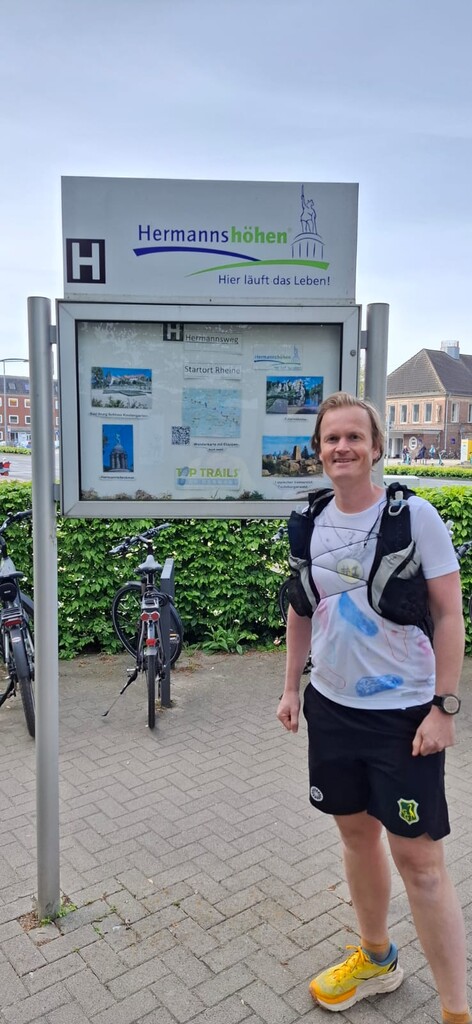
I started at 9:30 in Rheine. I had done self-supported runs before, but this was my 3rd 100+ miler and first true unsupported run. The weather forecasts looked good — around 14 degrees and sunny, but with strong winds and at night temperatures a few degrees above zero. I wanted to make sure I had enough clothing and food, so my race vest ended up weighing 9 kilos. In hindsight, it could easily have been 2 kilos lighter, as I had plenty of food left over.
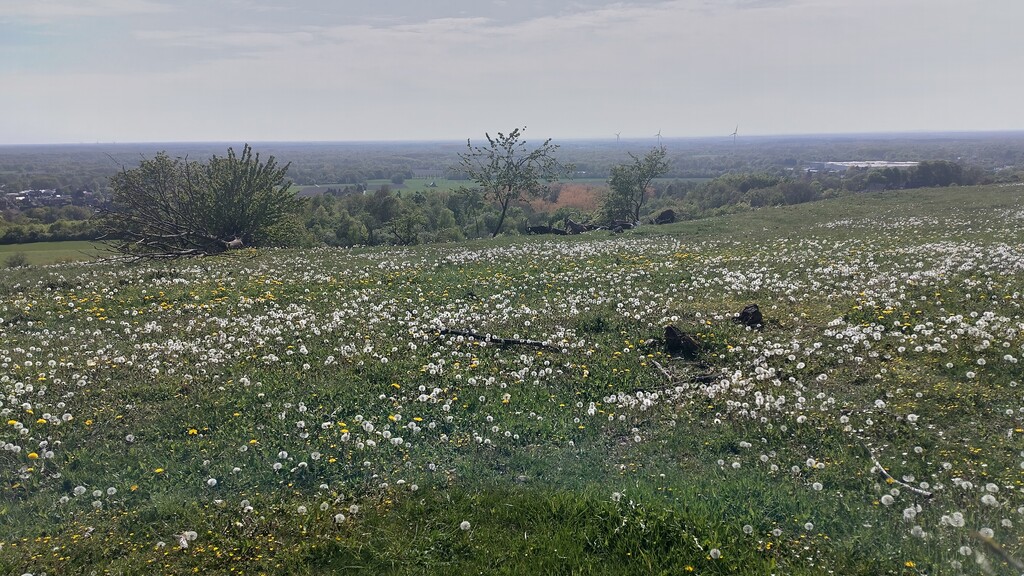
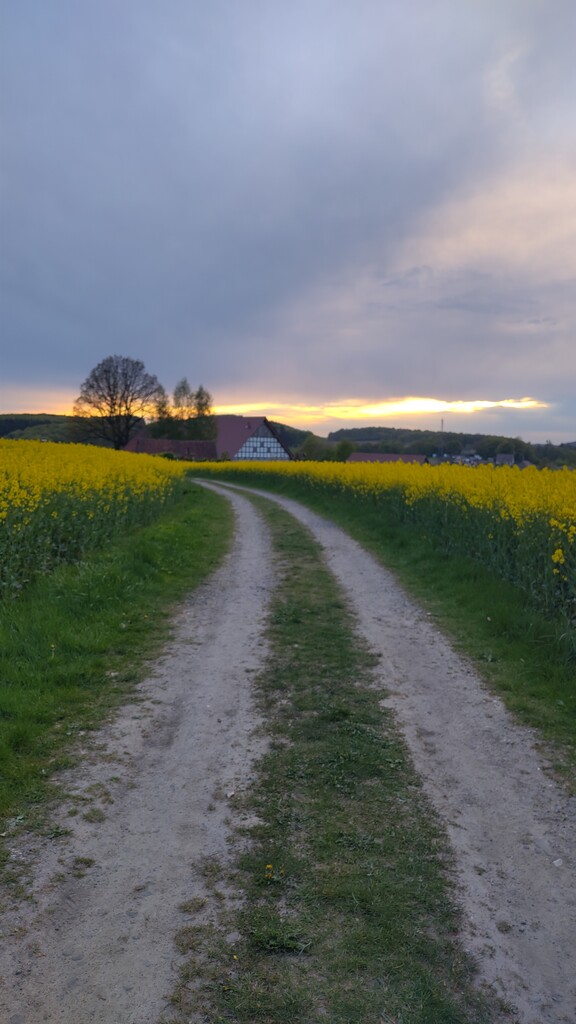
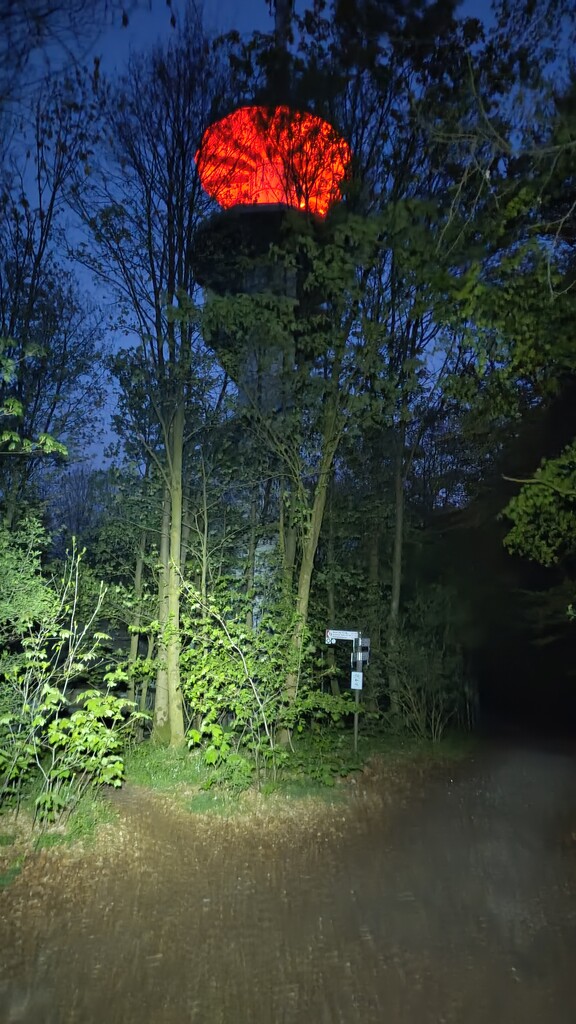
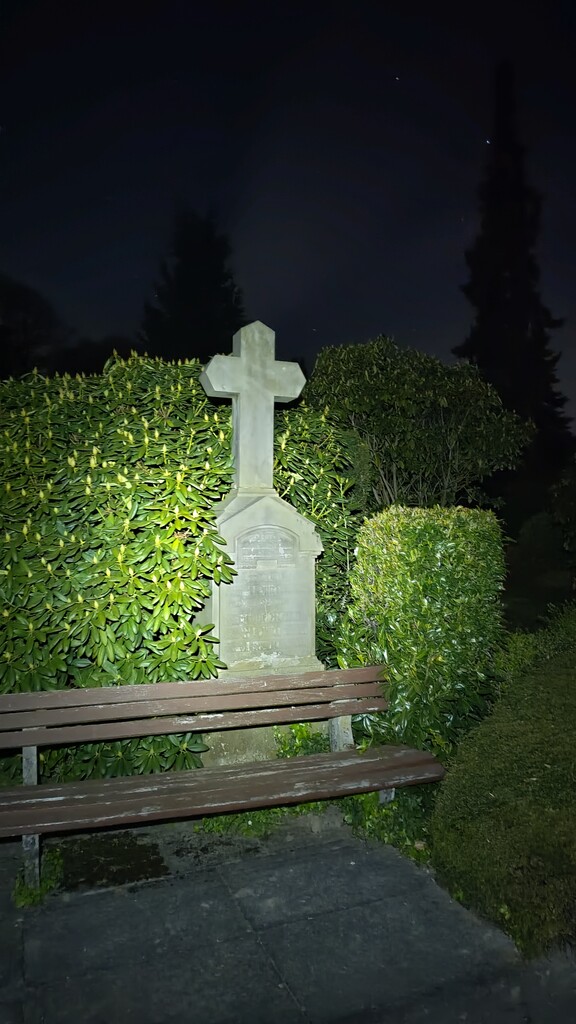
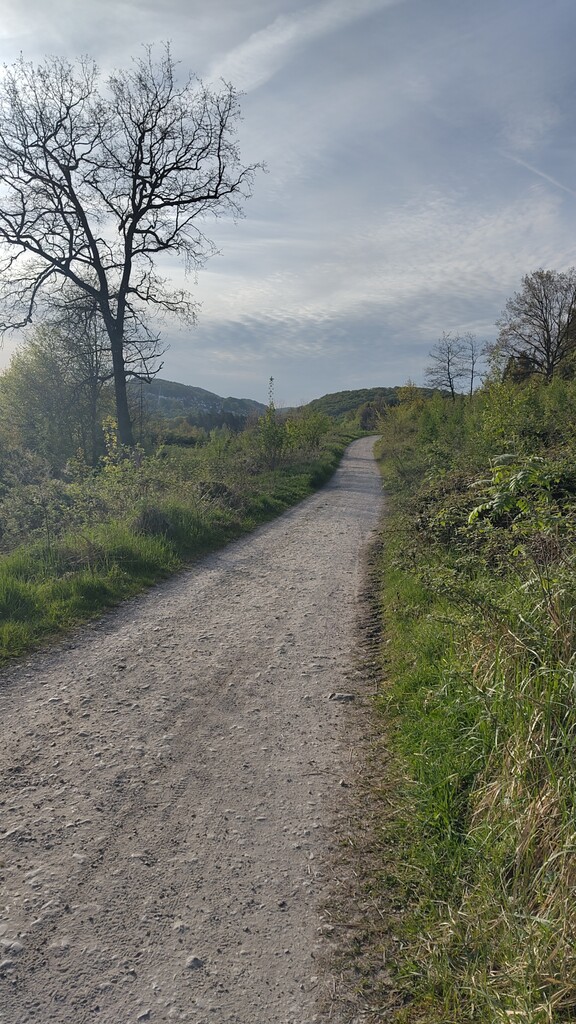
The first 19 kilometres from Rheine to Hörstel were flat, relatively paved, and passed by fairly quickly. At Hörstel the ridge and forest begins and the real challenge could start. My first waterstop was the public toilets in Tecklenburg at km 39. Around 23:15 I arrived at my 2nd stop, the cemetery in Borgholzhausen at km 85. It felt a bit strange to be wandering around a cemetery in the dark looking for a tap. The night was slow going — I felt nauseous and could eat very little, which caused my pace to drop steadily. I also had the general sense that on the uphills the trails were manageable but deceptively gradual, making running impossible, while the descents dropped steeply over loose rocks, which also prevented me from picking up any speed. But this also might have been the fatigue talking. In organised or self-supported runs I usually get through the night on cola and coffee, but here I had to ration the two half-litre bottles of cola I had brought. You never know when you might feel worse so I tried to save the cola for when I needed it the most. I tried twice to take a short trail nap of a few minutes in a Schutzhütte, but it was too cold for that. Just before Bielefeld the sky began to lighten, which gave me a new burst of energy.
My 3rd water stop was in Oerlinghausen at km 128. I had hoped the tap next to the church would work which is directly on the route, but unfortunately it was shut off. My backup was the water point on the market square — only a short detour from the route, but several hundred metres of stairs to descend and climb back up. The nausea had passed by then, but my quads were wrecked from all the climbing and descending (I had clearly needed to train more for this), leaving me mostly walking with the occasional bit of running when the path gradually descended. I knew my goal of sub-30 hours was no longer achievable, but I was confident that an improvement on the FKT was still within reach.
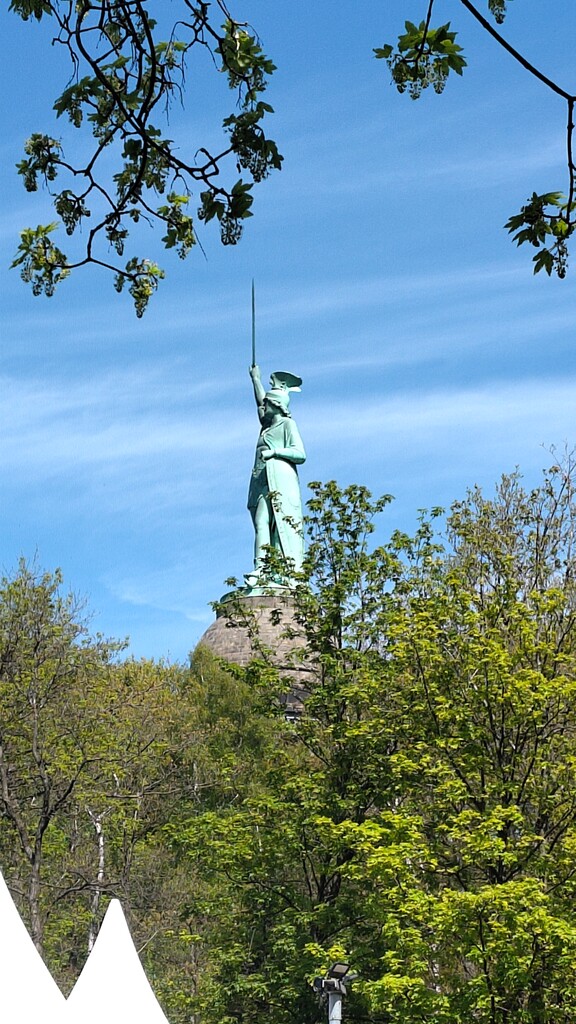
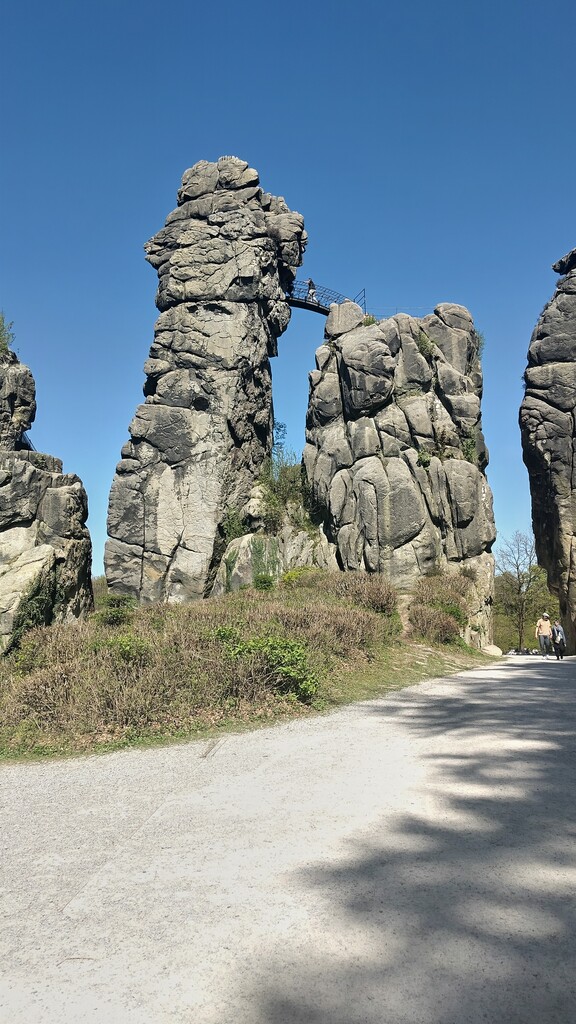
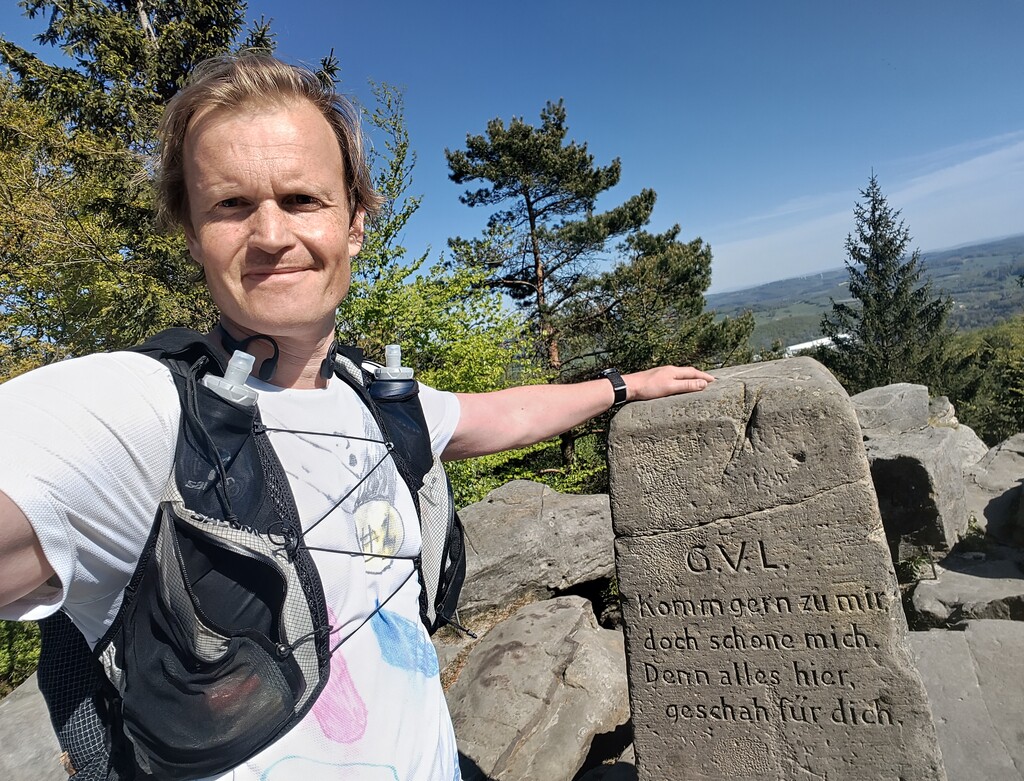
From Oerlinghausen it was just a few short sections to the Hermannsdenkmal and Externsteine. At km 161 I filled up water for the last time at a spring, after which it was the final few kilometres uphill to the finish at the Lippische Velmerstot, where I stopped the clock at 30 hours, 38 minutes and 35 seconds — well over 1.5 hours faster than the existing FKT.
Finally, the descent to Leopoldstal, where I took the train, a replacement bus, and another train back to the Netherlands. The rail line runs largely alongside the route, which gave a wonderful sense of the scale of this route and was a fitting way to close out the adventure and reflect on it all.
If you're thinking about making an attempt to improve the FKT, feel free to get in touch for tips.