
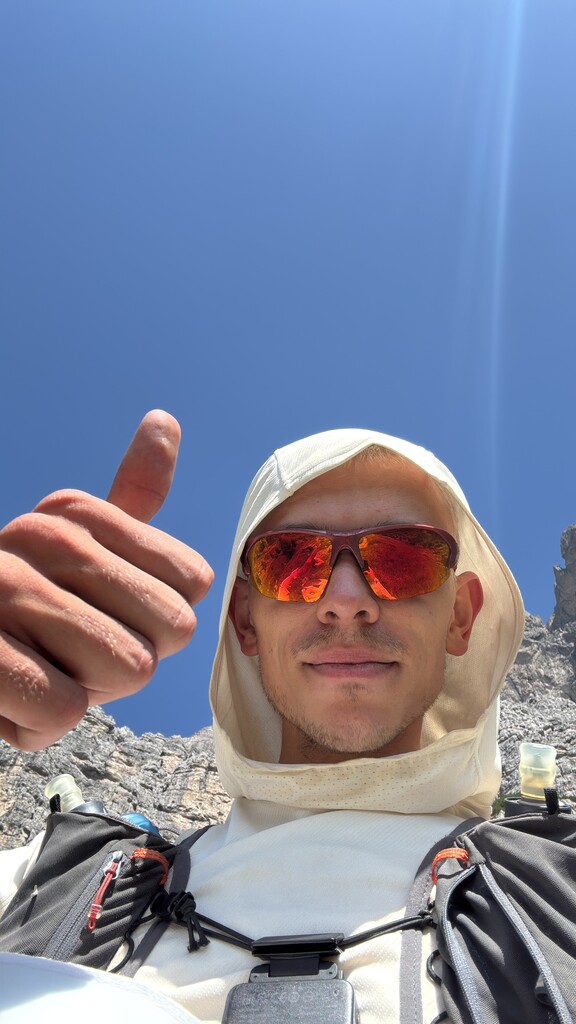
I was born in Munich and was therefore always interested in this very popular Alpine crossing. Knowing friends who had completed it and hearing about it time and again, I set myself the goal of setting an FKT on this route in July 2025. With little prior running experience (I only started running in April 2025) and limited hiking experience, I knew I had a lot of catching up to do. I also did not fully understand the undertaking I was about to embark on. I only knew that it was possible, but I did not know whether it was possible for me.
After some research, I found out about a German guy who claimed to have completed it in 14 days and 13 hours. His attempt did not comply with the regulations for a self-supported FKT, and he also skipped some of the major mountains, but his report helped me a lot with my planning. You can find it here: http://new.muenchenvenedig.de/forum/index.php?mode=thread&id=4689
I started on August 29, 2026, at 6:00 a.m. on Marienplatz in Munich.
1. München – Arzbach
On the first day, I planned to run for the entire day. However, due to various injuries, I expected that I would have to start walking after around 35 km. It therefore turned into a long day, and the first minor problems in my hip started to appear. I carried a sleeping mat and a quilt with me so that I could sleep at a campsite in Arzbach.
2. Arzbach – Hinterriß
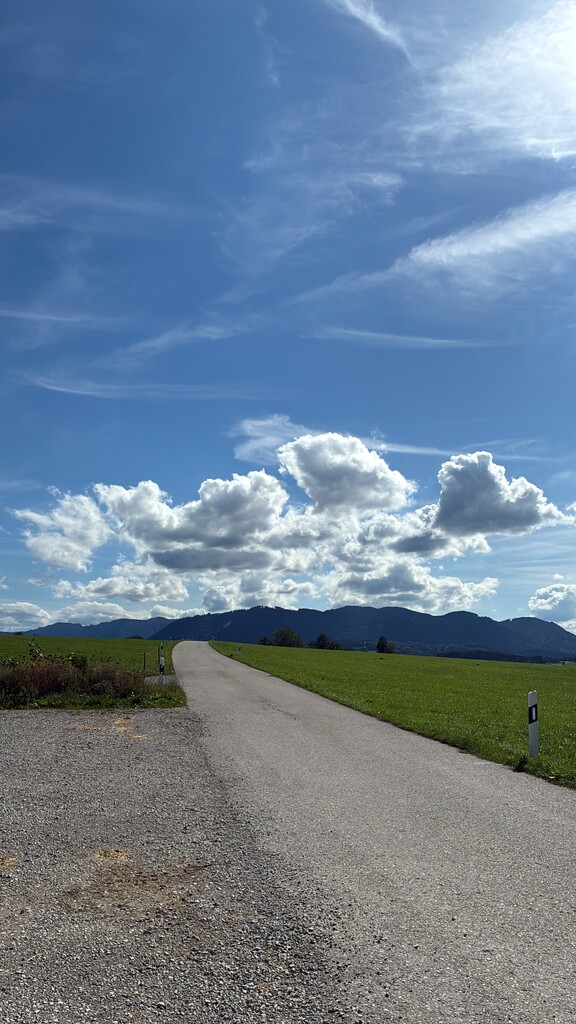
A long, boring day. The mountains finally started, but they only made up a short part of the day and were overshadowed by long stretches of road that I had to walk along.
I had planned to stay at the Kaiserhütte between Vorderriß and Hinterriß, but it was closed because all the members were apparently at a birthday party that evening. So I had to keep going until Hinterriß.
3. Hinterriß – Hallangerhaus
There was a chance of lightning and thunderstorms in the evening, so I started very early and went faster than necessary to avoid the bad weather. As a result, I was already at the Hallangerhaus at 2 p.m.
In the evening, there was heavy hail, but by the next morning everything had melted away.
4. Hallangerhaus – Lizumerhütte
Another early start, around 5 a.m., followed by a long descent after the Bettelwurfhütte down to Wattens. There is a high risk of falling rocks on this section, so I was glad I had brought my helmet.
5. Lizumerhütte – Pfitscherjochhaus
A nice day, as you don't have to pass through any boring valleys. However, you spend a major part of the day walking through a ski resort with many construction sites.
After the Friesenbergscharte, the day gets more interesting, but unfortunately I hurt part of my ankle on the large rocks that you have to cross there.
6. Pfitscherjochhaus – Kreuzwiesenalm
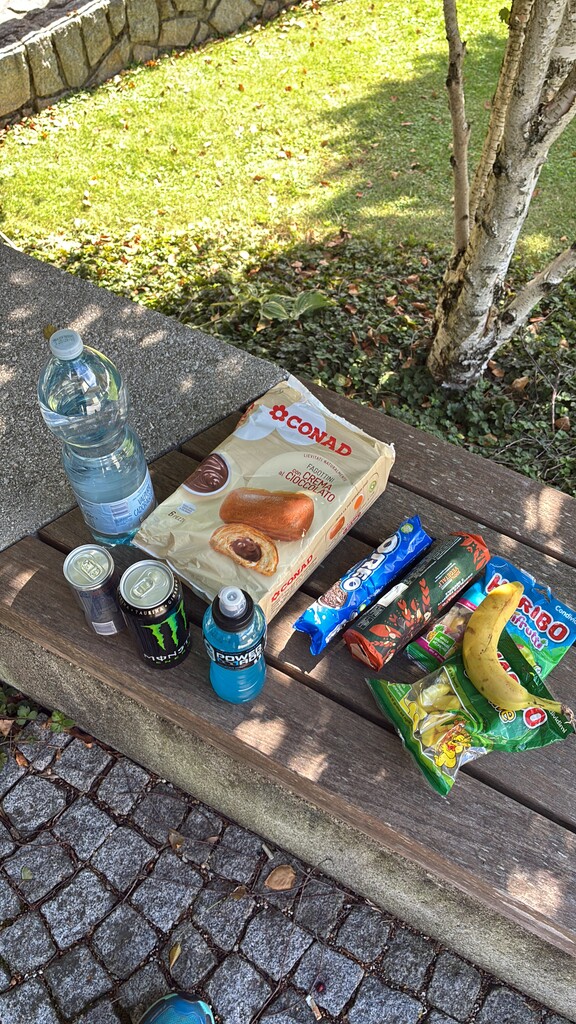
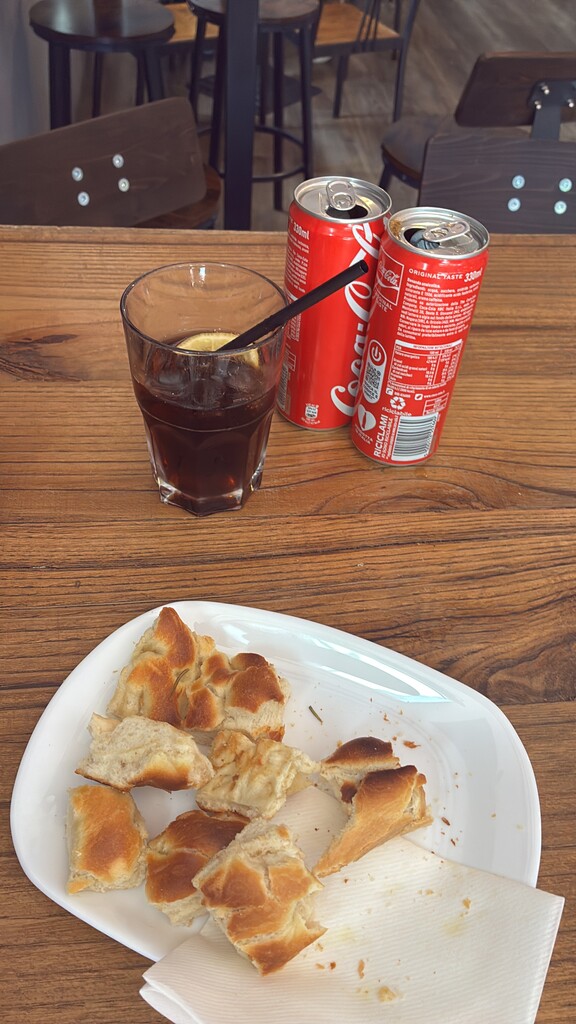
Another day with a long walk through a valley. After reaching the supermarket in Niedervintl, my mood improved and I was eager to get back up into the mountains.
7. Kreuzwiesenalm – Pisciaduhütte
The region around Kreuzwiesenalm is not very alpine at all, and for most of the day you walk along broad and rather boring paths.
After the Würzjoch, you start seeing many tourists and are finally fully in Italy. The day was especially hard because I had miscalculated the elevation gain beforehand and ended up having to climb an additional 600 meters that I had not accounted for.
This made the end of the day quite hectic, as I had to reach the hut by 8 p.m. to get dinner.
8. Pisciaduhütte – Alleghe
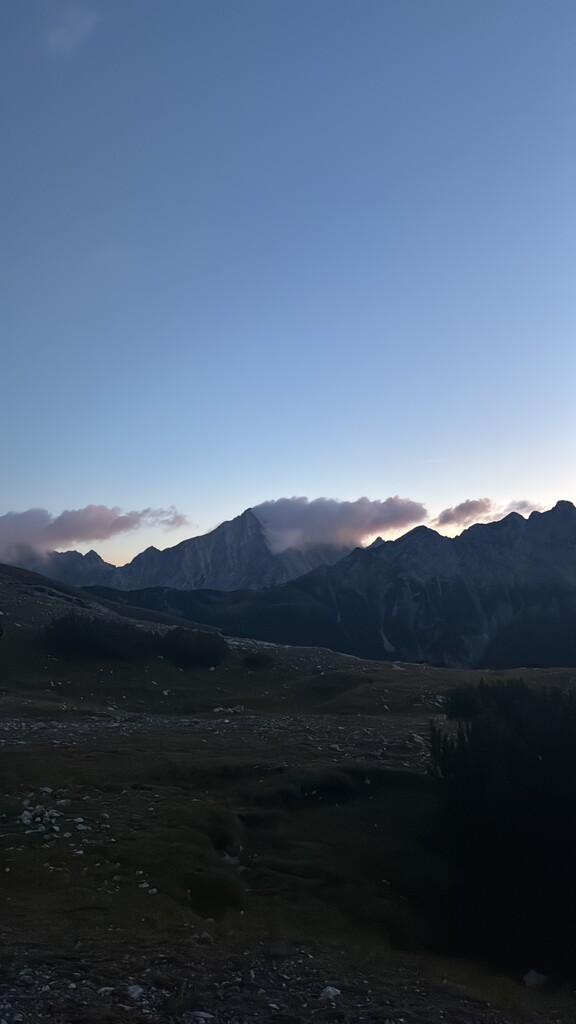
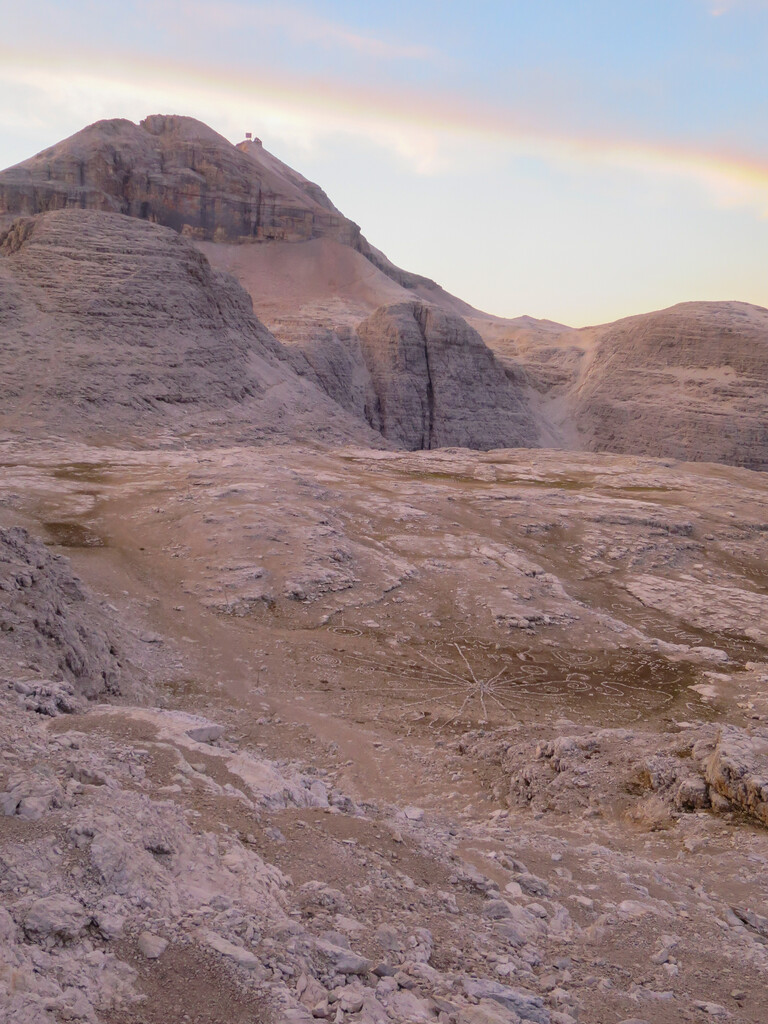
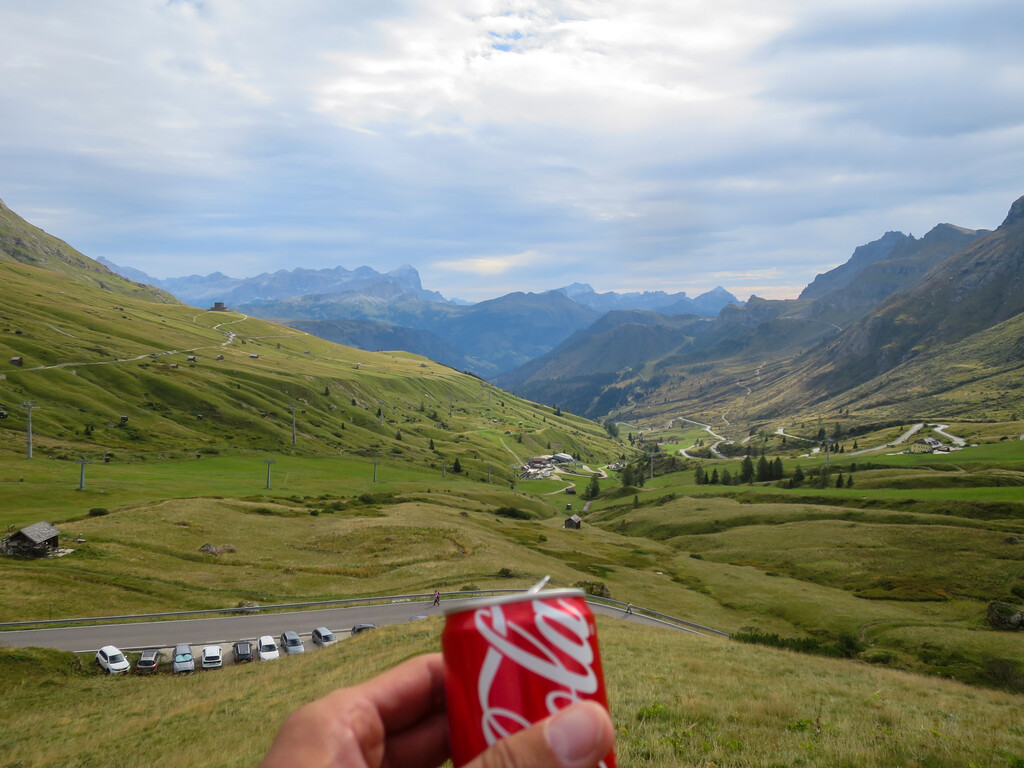
A very nice start to the day. The bizarre rock formations of the Dolomites are quite a sight, and you climb the highest point of the route, Piz Boè.
After that, however, it becomes quite underwhelming. You run into thousands of tourists and have to walk along a major road for most of the day until you reach Alleghe, where I again stayed at a campsite.
9. Alleghe – Rifugio Sommariva al Pramperet
The previous day had been very hard on my injured ankle, and under the shower I noticed some swelling for the first time. I wasn't sure whether I would be able to continue the next day.
I forced myself to at least try. After gaining some elevation, my body started to warm up a little, and I was able to keep going.
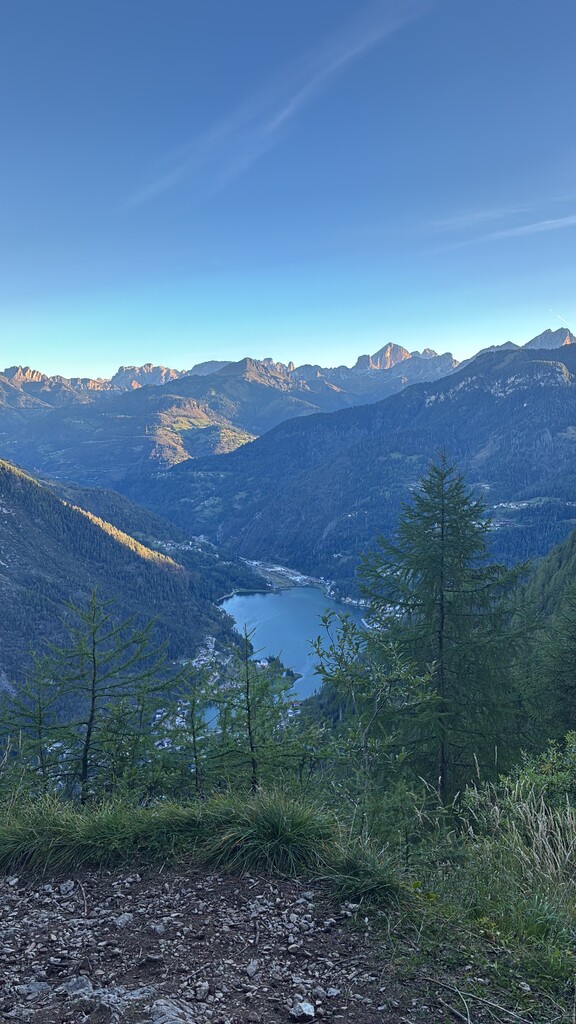
The previous two or three days had been mentally draining, as I did not particularly enjoy the route or the number of people I encountered. But the Italian mountains seemed to know that I needed a change and blessed me with nicer scenery and some really nice fellow hikers whom I talked to along the way.
10. Rifugio Pramperet – Belluno
I got off to a rocky start this morning, as I had trouble finding the route. The Outdooractive maps did not work properly in Italy, so I had to rely on the signage, which I found less helpful in Italy than in Germany or Austria.
For the first half hour of the day, I was therefore busy trying to find the correct route.
After that, I had another challenge ahead of me, as the most difficult part of the route lay ahead: the Via Ferrata in the Schiara.
I had carried a Via Ferrata set, harness and helmet with me all the way, so I was prepared for it, but I was unsure how difficult it was going to be. I therefore took my time and tried not to rush, which meant that I arrived at my bed and breakfast in Belluno later than I would have liked.
11. Belluno – Pieve di Soligo
In theory, I had done it now. I had crossed the Alps and only had a little elevation gain left, with nothing that could really be considered difficult.
But the following days were still hard.
12. Pieve di Soligo – Fossalta di Piave
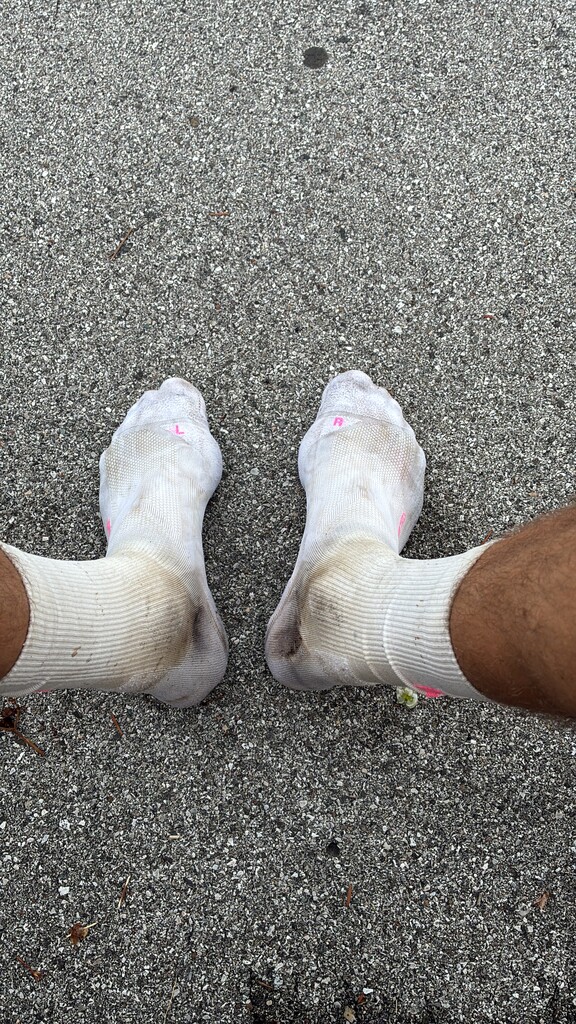
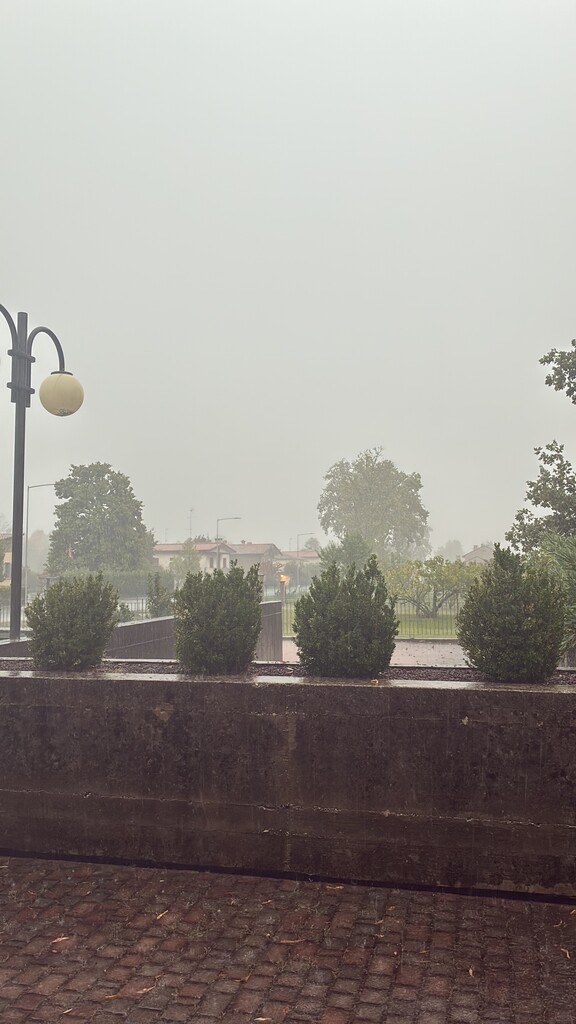
My blisters had gotten out of control, and the swelling in my foot prevented me from running. Then, on day 12, heavy rain added to my problems.
My shoes were wet from the second hour of the day onwards and were completely destroyed by the end of the day. I was worried about infections and other complications.
13. Fossalta di Piave – Venice
The last day should have been mentally easy. But it wasn't.
The provided GPX track led me astray once again, and I ended up in blackberry bushes along the Piave. After some detours, I eventually found my way back onto the route, but I had lost some time and now had to push hard to reach Venice in time.
Seeing the sea for the first time was magnificent. I broke down on the beach next to all the German tourists (technically, I guess I was one of them as well) and started crying.
But then I quickly got back up, remembering that I still had some way to go.
In the evening, about three hours before Punta Sabbioni, it started raining harder than I had ever experienced while being outdoors. I was shivering from the cold, my feet were soaking wet and hurting, and the fun was long over. I had only one goal: to end this experience.
Of course, the only way to stop was to keep going.
After the ferry ride, you have 800 meters left until you reach your destination: St. Mark's Square in Venice.
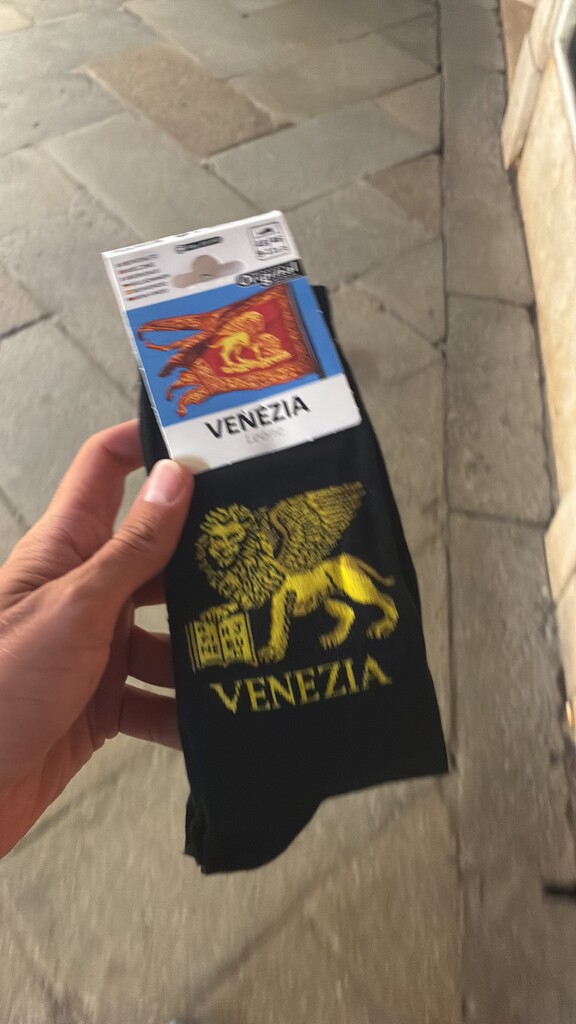
I broke down crying again. Afterwards, I asked some tourists to help me take a picture and bought a pair of dry socks from one of the local street vendors.
On September 10, I reached Venice at 7:38 p.m., after 12 days, 13 hours and 38 minutes.
If you have any questions about my journey, or if you are interested in trying to break this record, you can contact me at kontakt@paul-braeuer.de. I would be happy to answer any questions or help in any way I can!
My Strava: https://strava.app.link/r8UJ47j3o6b