
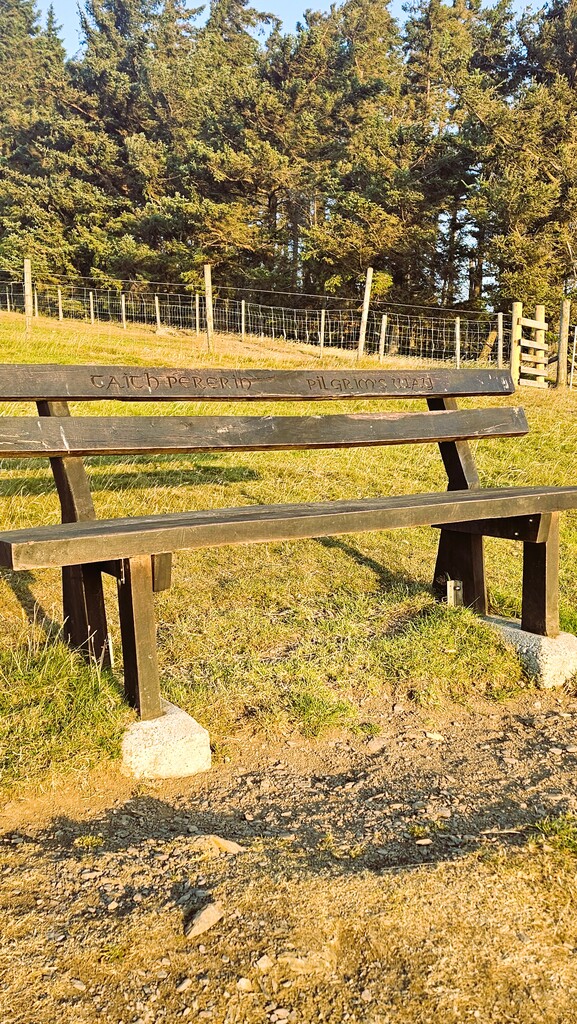
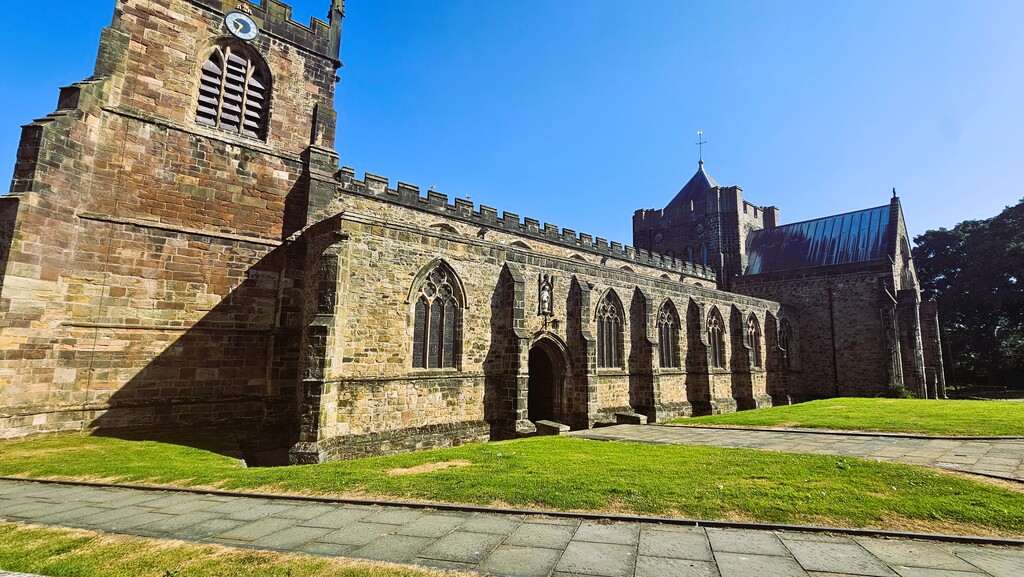
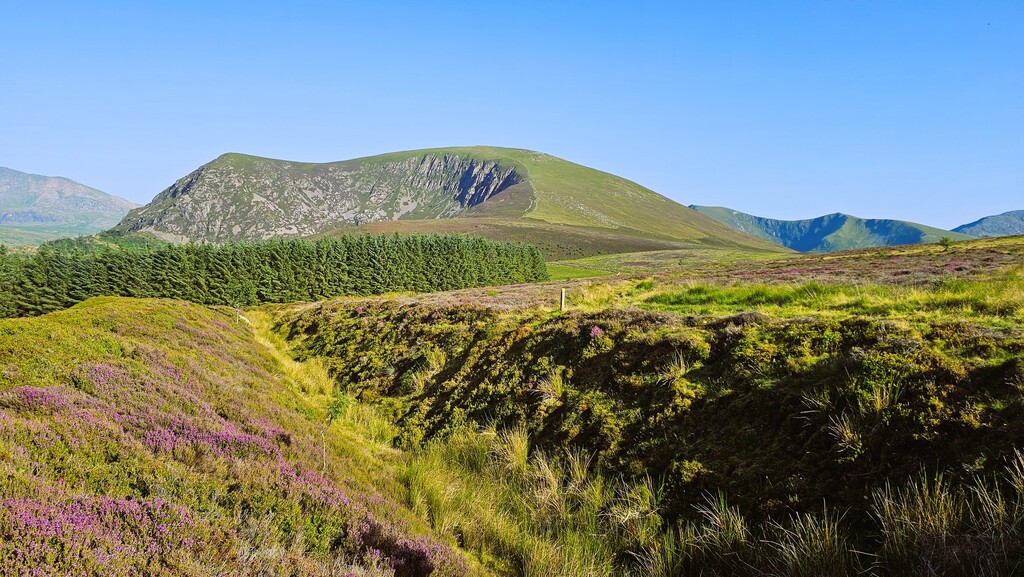
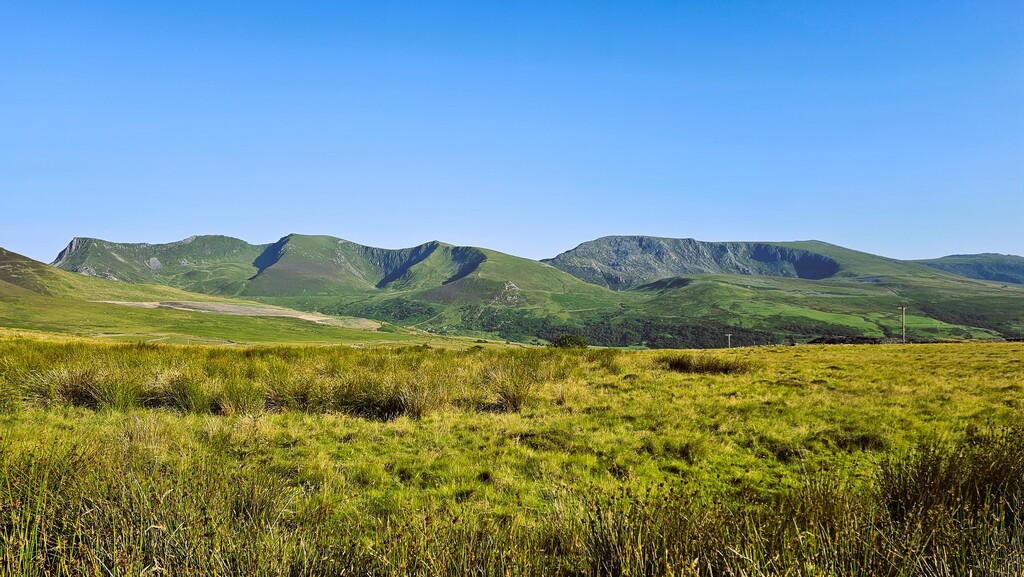
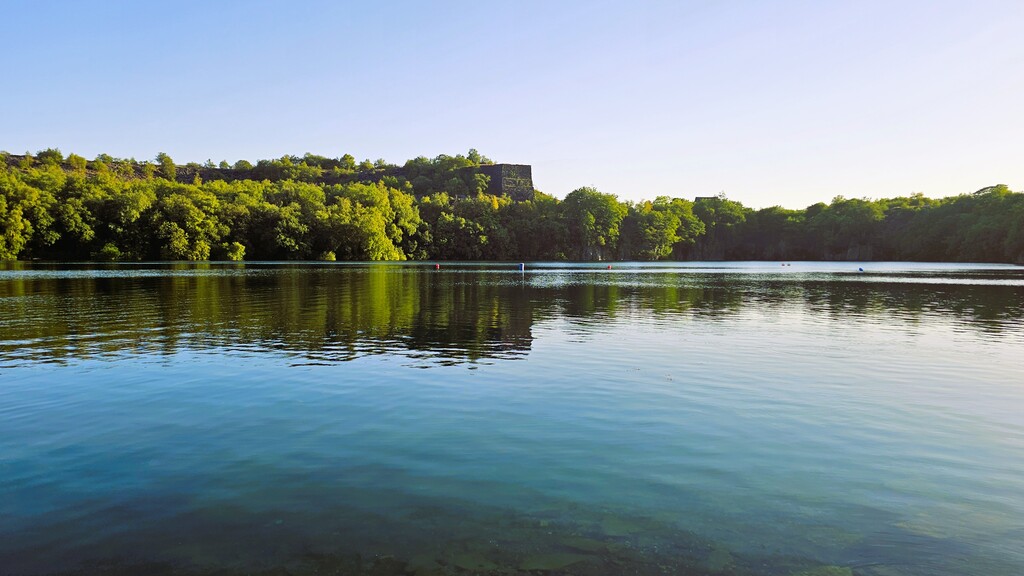
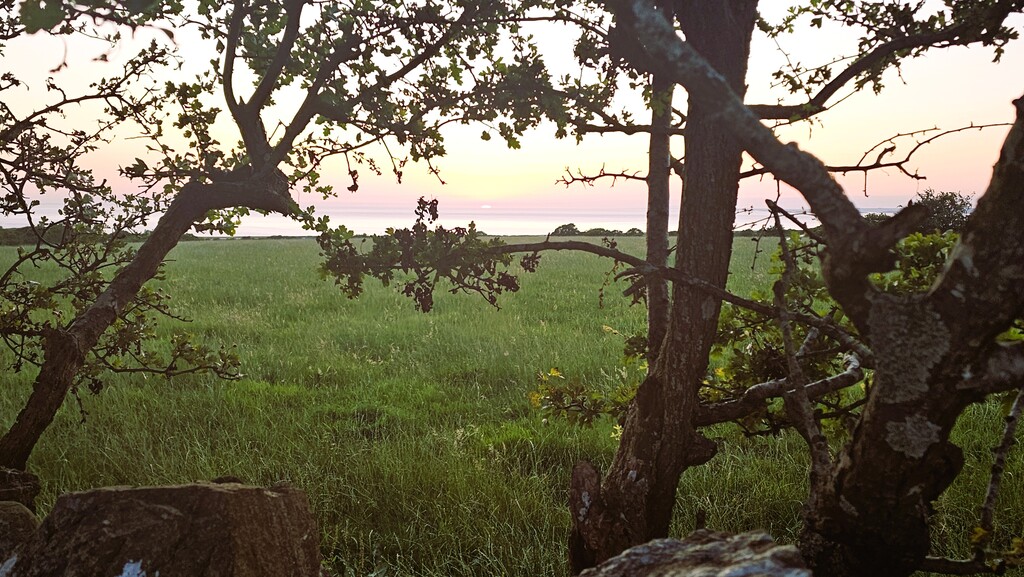
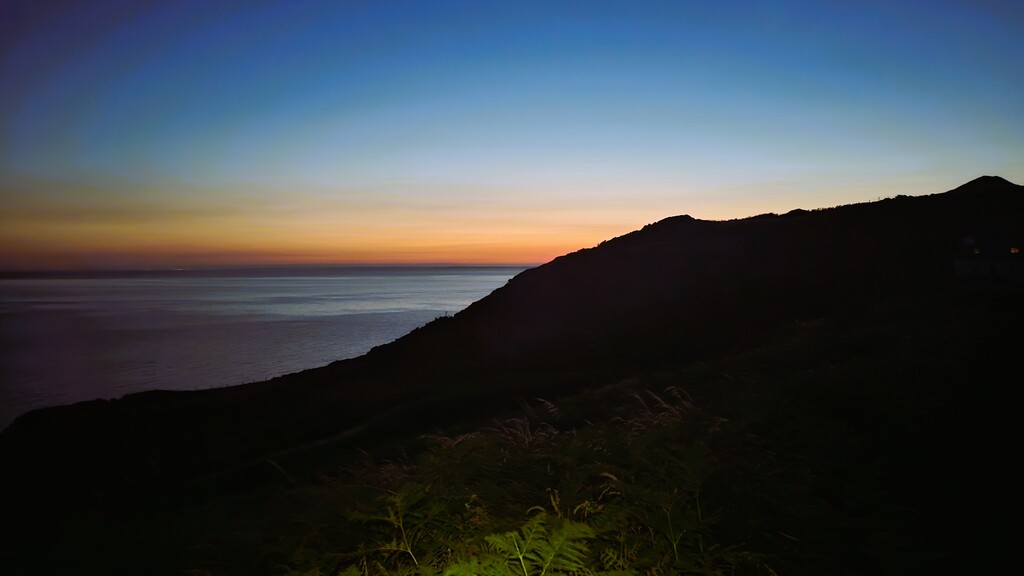
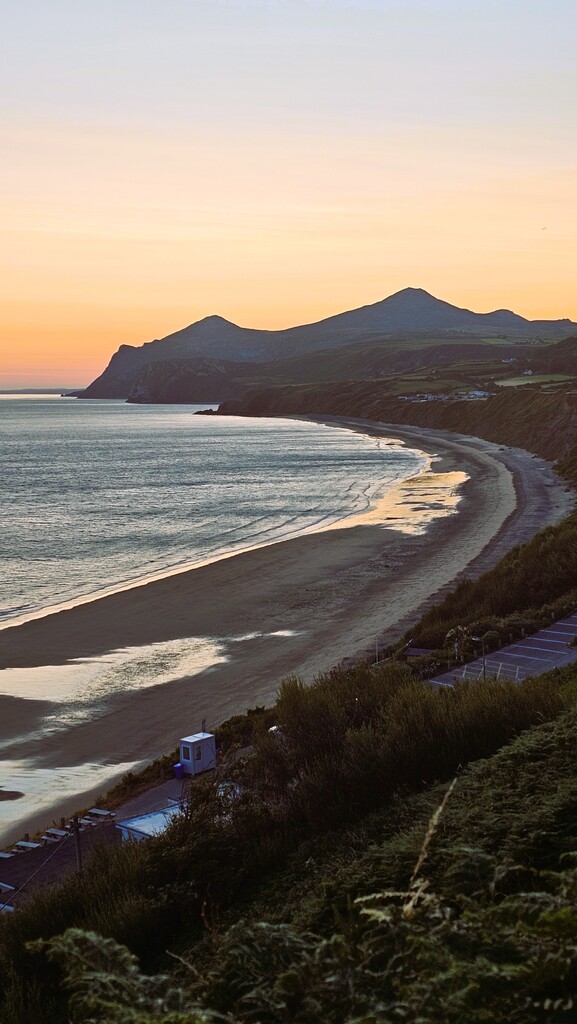
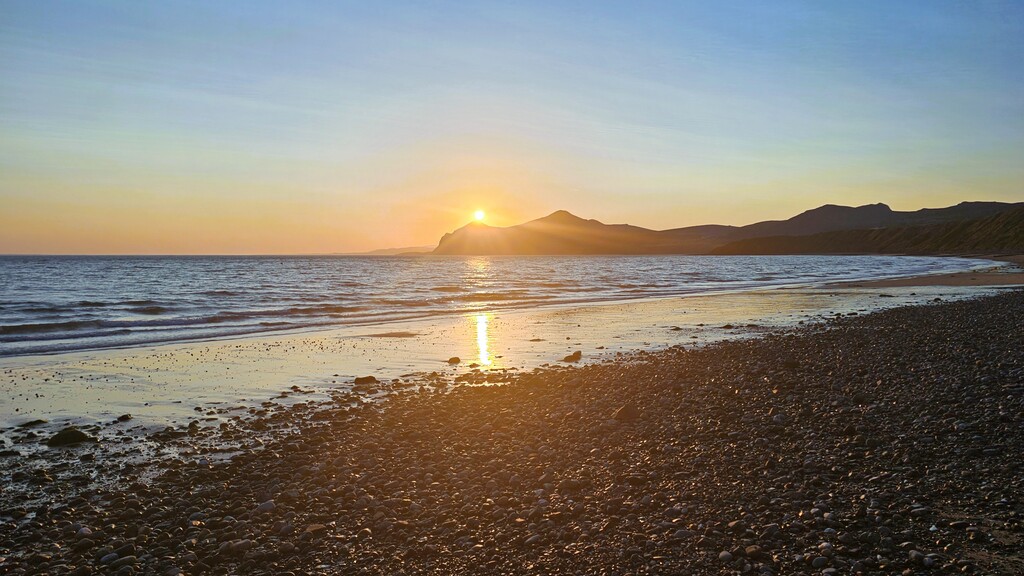
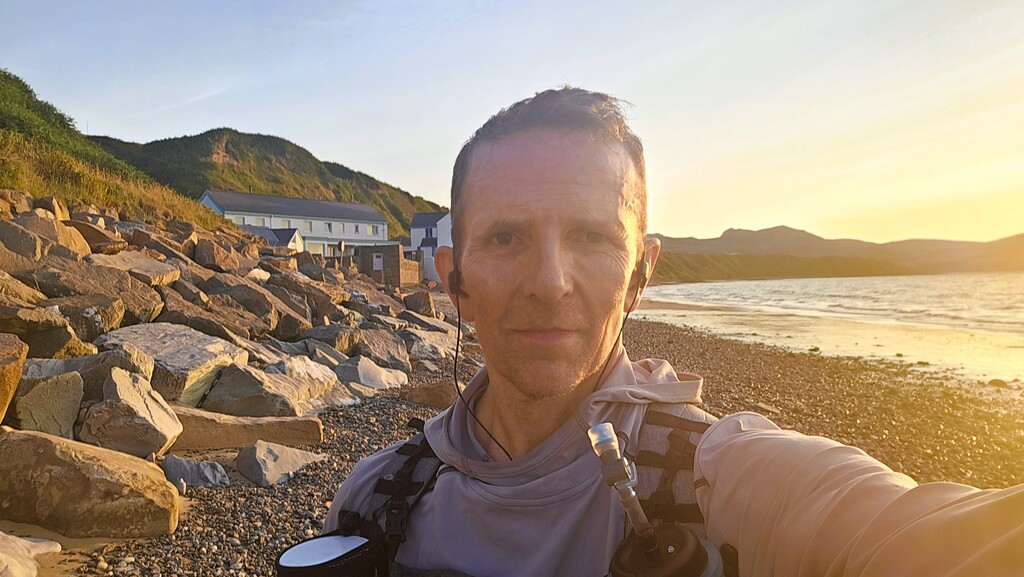
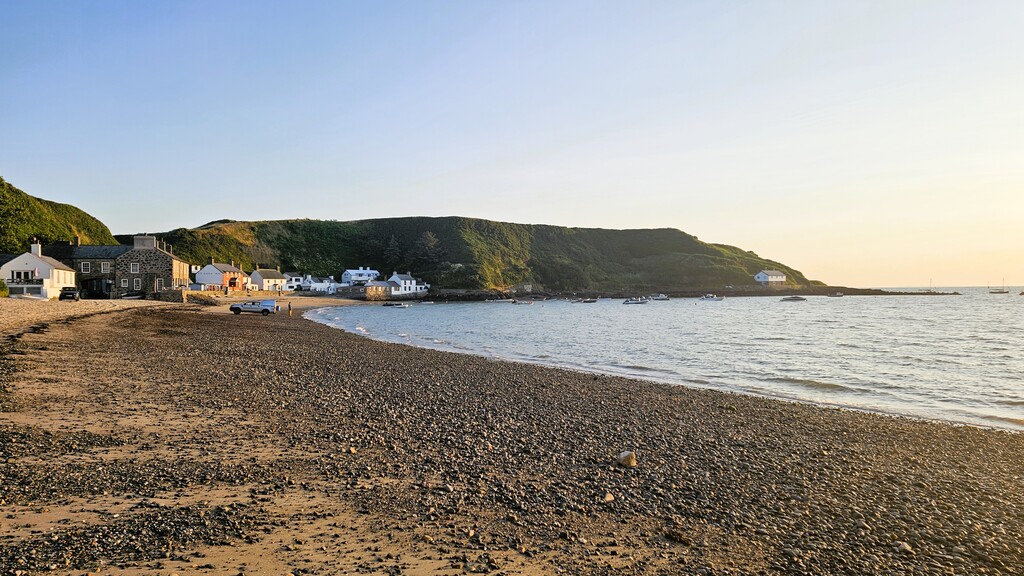
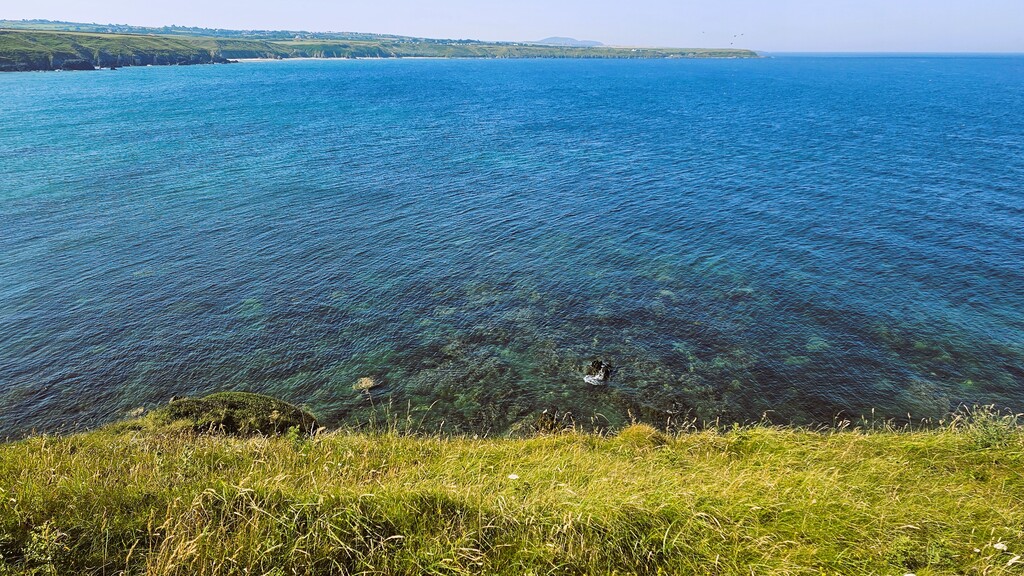

My first attempt at completing the North Wales Pilgrim’s Way, sometimes known as the Welsh Camino, was in June this year. It ended in failure.
Unfortunately, I had little time to test my new shoes before starting and, despite knowing it was a risk, I went ahead anyway. As fate would have it, problems soon began. By the halfway point, my feet were in a bad way, with one of the shoes grinding into my anterior tibialis tendon with every step. By mile 80, I was suffering and my pace was slowing significantly. I knew I was unlikely to finish within my available time window, so I made the difficult decision to stop before causing more damage.
Over the following weeks, I couldn't shake the feeling that I had to make another attempt before the end of summer. I wanted to experience the pilgrimage as a single journey from start to finish. By July, I had sourced a new pair of shoes that seemed to work well for my feet. However, my busy family life meant I had only one opportunity to make a second attempt. I would simply have to accept whatever weather conditions came my way.
My personal MO for FKTs is always unsupported. This meant carrying all my own gear and food for the entire route, while replenishing water from natural sources and public taps. Although it makes the endeavour significantly more difficult I wouldn't consider any other style.
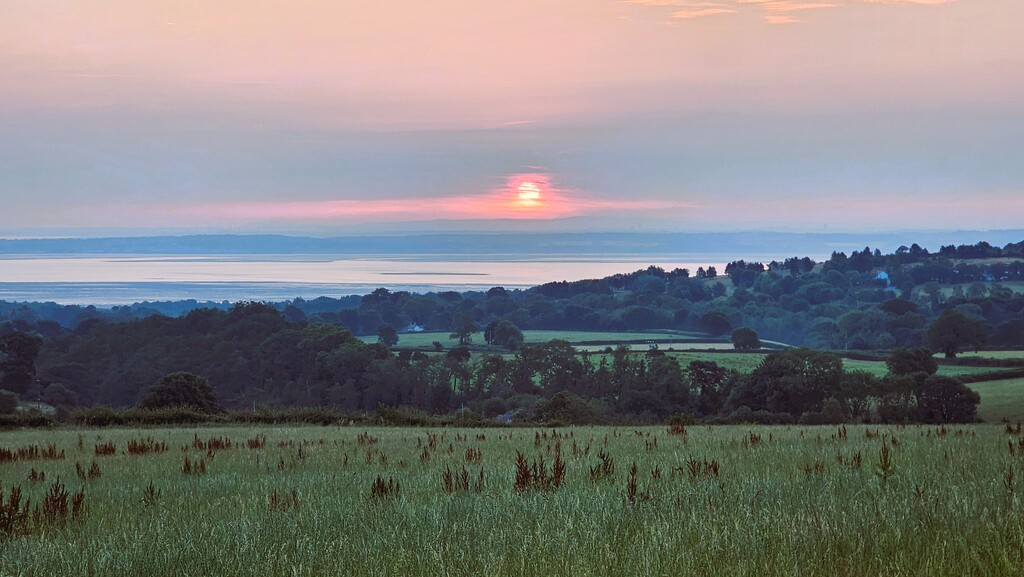
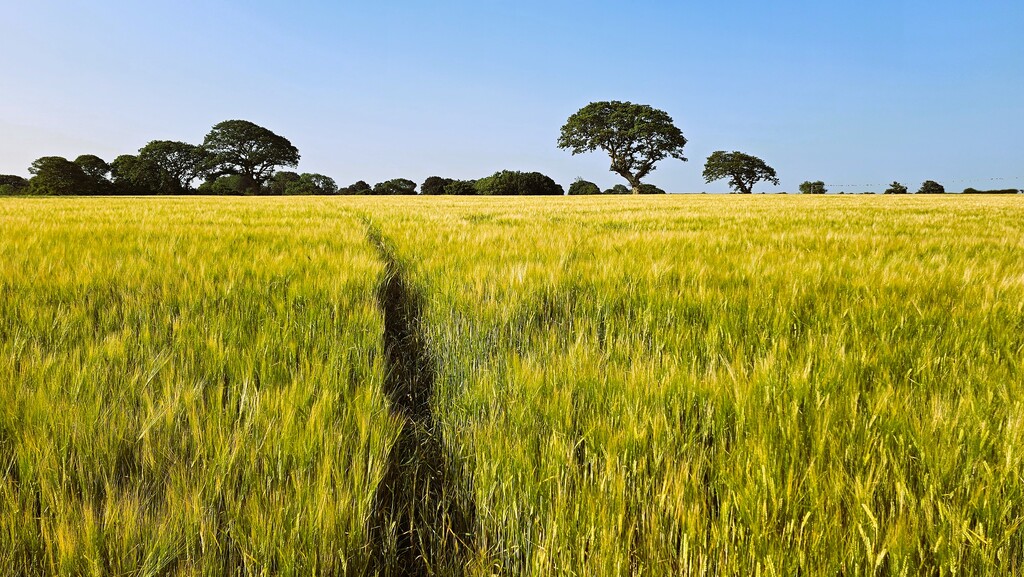
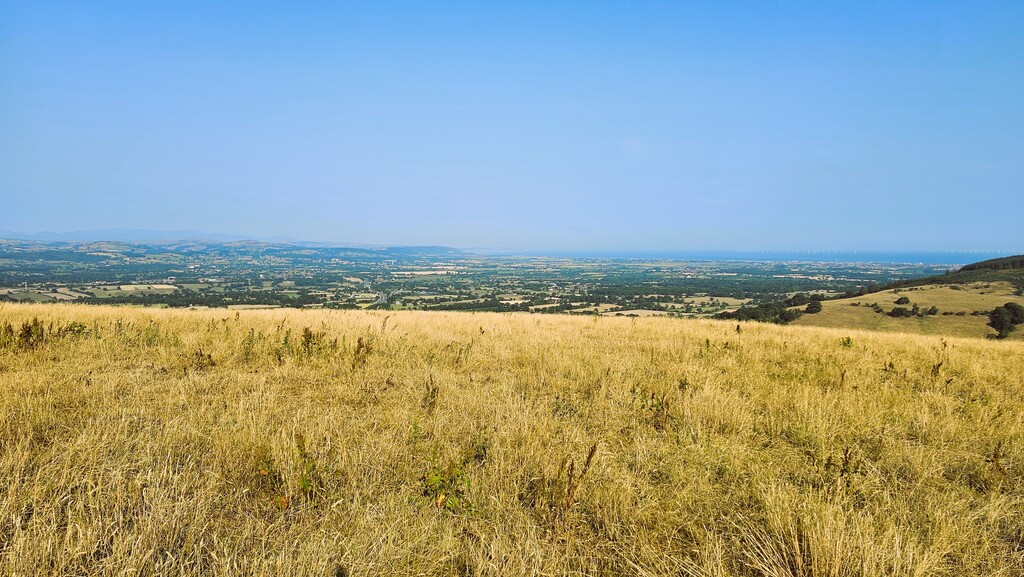
By the time I stood at the start line at Basingwerk Abbey in Greenfield, North Wales, at 3:45am on Saturday, July 11th, the area had seen almost no rain for several weeks. The forecast was for sunshine and temperatures reaching 29–30°C (84–86°F). The familiar lush, green landscape of North Wales had been replaced by dry, yellow grass and dusty, parched ground. I knew this was going to be brutal.
I had extensively researched the water sources along the route and knew there would be several long stretches with little or no natural water available. Being alone and unsupported in these remote areas meant I would need to carry a plentiful supply and remain especially vigilant for signs of heat stress.
Despite the conditions being tougher than on my previous attempt, I felt confident and experienced enough to deal with them. I knew my gear choices were sound, and my new shoes felt comfortable. Crucially, I had done my homework. I knew where to find water and how much I needed to carry to safely reach the next source. Given how dry the land was, my greatest concern was actually wildfires. As it turned out, a large fire took hold near an area I had passed through only the day before.
The first day took me across the rolling hills and farmland of Flintshire, Denbighshire and Conwy, starting from the ruins of a 12th-century abbey. My first water stop was at the cathedral city of St Asaph, around mile 22. By then it was 10am and the heat was already building. I knew the next six to eight hours were going to be tough, so I steeled myself for what lay ahead.
By mid-afternoon, I had reached the more remote areas of southern Denbighshire. While walking along a road section, I noticed an isolated house in the distance. As I passed the bottom of the drive, I was met by the homeowner, a woman who had seen me approaching and was apparently concerned about me in the heat. She kindly offered me a two-litre bottle of water. Of course, I had to refuse because I was attempting the route unsupported. At that point I had plenty of water anyway, so I genuinely had no need for it. I thanked her for the offer and continued on my way without explaining what I was doing out there, in case she thought I had completely lost my mind. Perhaps I had, for even attempting this!
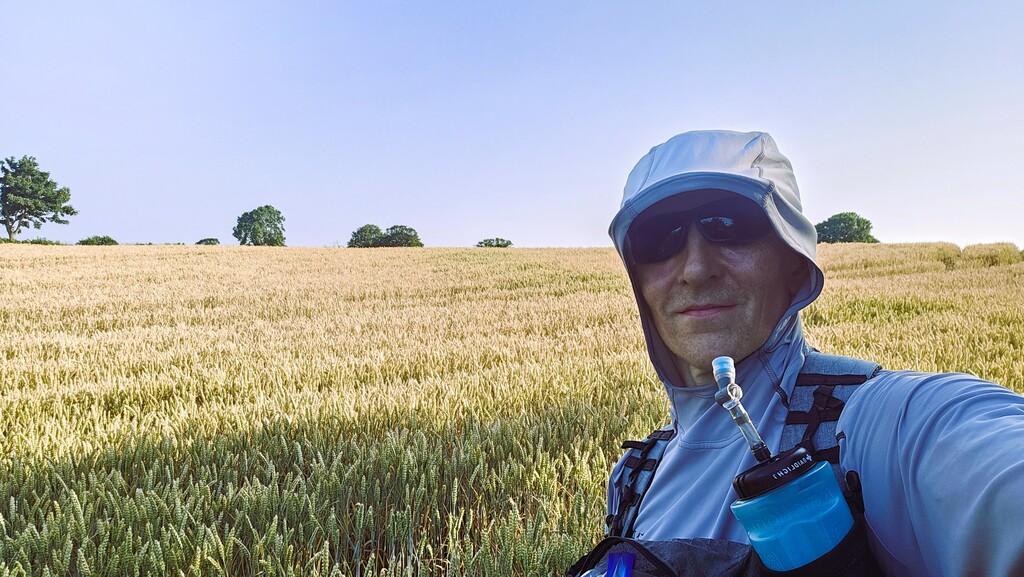
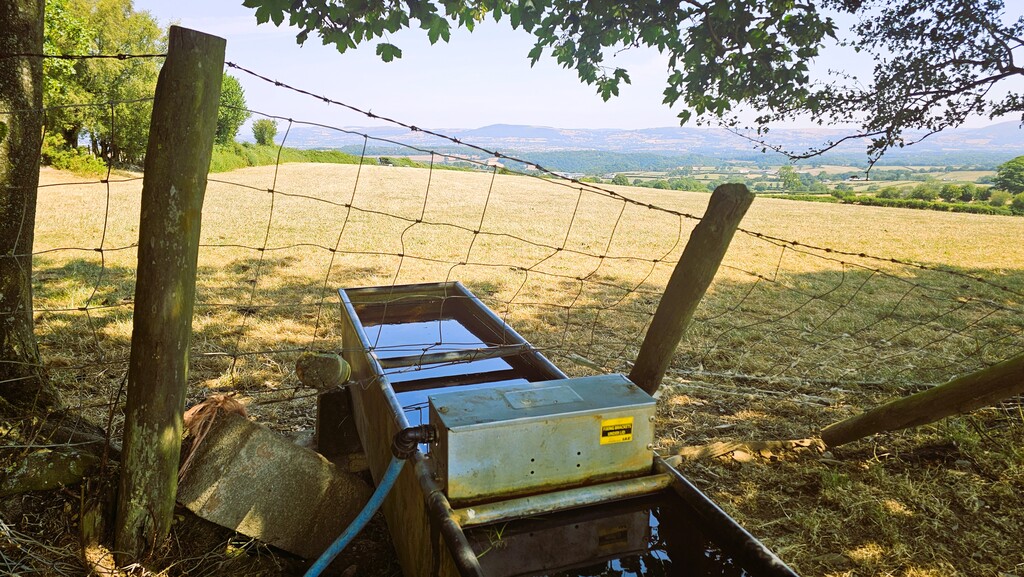
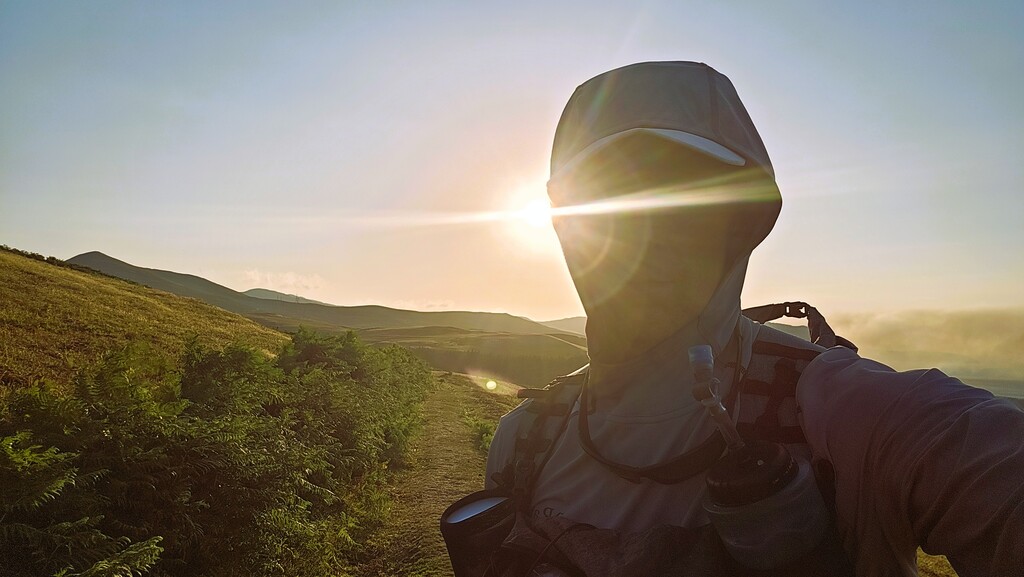
Throughout the day, I constantly assessed how I was feeling and kept track of my fluid intake. My method was simple: I pressed the lap button on my Enduro 3 every time I finished a bottle. The data screens showed both my last lap time and current lap time, allowing me to monitor how much I was drinking and whether my intake was changing between bottles. I also covered up as much as possible, leaving only my knees and thighs exposed to the sun. I wore a long-sleeved sun hoodie and pulled it over the brim of my cap, creating additional shade for my face. To help regulate my core temperature, I took every opportunity to douse myself in water whenever I passed a livestock drinking trough. Desperate times called for desperate measures!
A few miles later, I replenished all my bottles from one of the few streams still carrying running water. There was barely an inch or two of depth, but it was just enough to scoop up with my flexible cup. After taking a few moments to filter it, I was back to my full capacity of five litres and could continue with renewed confidence.
Much of the first 50 miles passes through low-lying farmland, mostly grazing land with some arable fields. While crossing a large field north of Pandy Tudur, I suddenly found myself the centre of attention of a sizeable herd of cows. Although I'm generally comfortable around cattle, when what looked like ten tons of beef came trotting towards me, I became a little more concerned. All I could do was walk briskly and calmly towards the nearest stile, periodically turning to stand my ground and try to stop them in their tracks. By the time I reached the stile, I was almost surrounded. Luckily, I crossed to safety just in time.
After 57 miles, I finally reached the first major milestone: crossing the River Conwy. This marked the boundary between the lower-lying farmland of north-east Wales and the more scenic mountainous landscape to the west, known as Eryri. As night fell, I took some time to reset. I changed my socks, made my next batch of rations accessible in my chest pouch, took 200mg of caffeine and plugged in my MP3 player to help me maintain focus through the night.
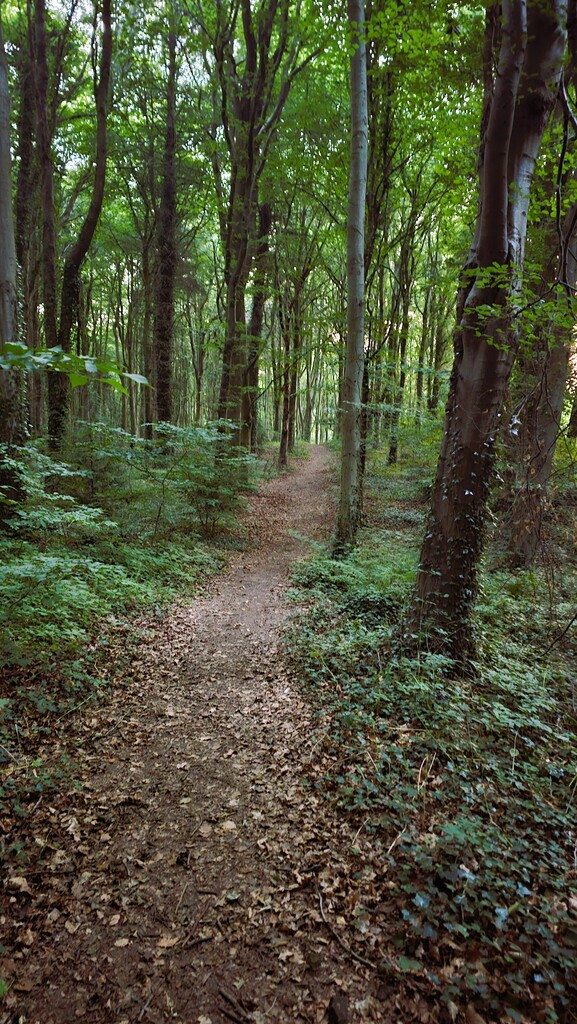
Steadily, I pushed on to higher ground, through wooded areas and across open moorland. I used the lowest setting on my headtorch because I seemed to be attracting swarms of moths and insects around my face. By 2am, I had reached mile 65 and had almost completed my first 24 hours. After a sleepless night in a stifling hotel room the night before, I was so tired that I was certain I could fall asleep instantly. So I decided to take a short dirt nap. Sure enough, I was out like a light and woke a few minutes before my 20-minute alarm. Somewhat rejuvenated, I continued onwards past the spectacular Aber Falls and towards Bangor. This was a significant psychological boost. I had passed the halfway point and was now beyond the point where I had stopped on my first attempt. What’s more, I was much closer to home and on more familiar territory.
Although the second day was forecast to be marginally cooler than the first, I certainly didn't feel it. For me, it isn't so much the air temperature but the intensity of the sun that I find most debilitating. As I made my way further into Eryri, I found myself on south-facing slopes during my descent into Llanberis. After being exposed to the sun's rays for hours, it felt unbearably hot.
As I traversed the high ground between Llanberis and Waunfawr, I began to feel the effects of sleep deprivation. I had now had almost no sleep for 36 hours. With a fairly monotonous and easy-to-navigate road walk ahead, I could feel my brain beginning to switch off and zone out. I resisted the urge to take another nap. Quite honestly, I didn't think I would be able to sleep in the blazing sunshine anyway, so I simply kept moving.
Ascending towards Y Fron revealed the stunning Nantlle Ridge. This was followed by a descent through the old slate mines, now recognised as a World Heritage Site. By this point, I was less concerned with shaving every possible minute off my time, so I took a little time to stop at the flooded Dorothea Quarry and reminisce. In 2004, I set the UK freediving record there with a dive to 76 metres (250 feet). After that trip down memory lane, I refocused on the task at hand - setting my sights on passing Penygroes and beginning the final leg of the pilgrimage: the beautiful coastline of Llŷn.
I had hoped to finish early on Monday morning, but by this point I knew I would probably be blasted by the sun for a third day before reaching the finish. I also knew I would need to carefully monitor my water consumption and refill at every opportunity, as water sources were becoming fewer and farther between along this final stretch.
By the time I reached Clynnog Fawr, I was beginning to hallucinate. The experience was similar to hallucinations I had experienced before, so it was familiar and not particularly disconcerting. I began to see faces of people or animals in natural objects. Even when I concentrated my gaze on these visions, they would become more vivid and animated, but eventually melting away as I got closer. Some less familiar visions took the form of marionettes or shadow puppets dancing in foliage of trees and vegetation. I took another 200mg of caffeine to help see me through the night.
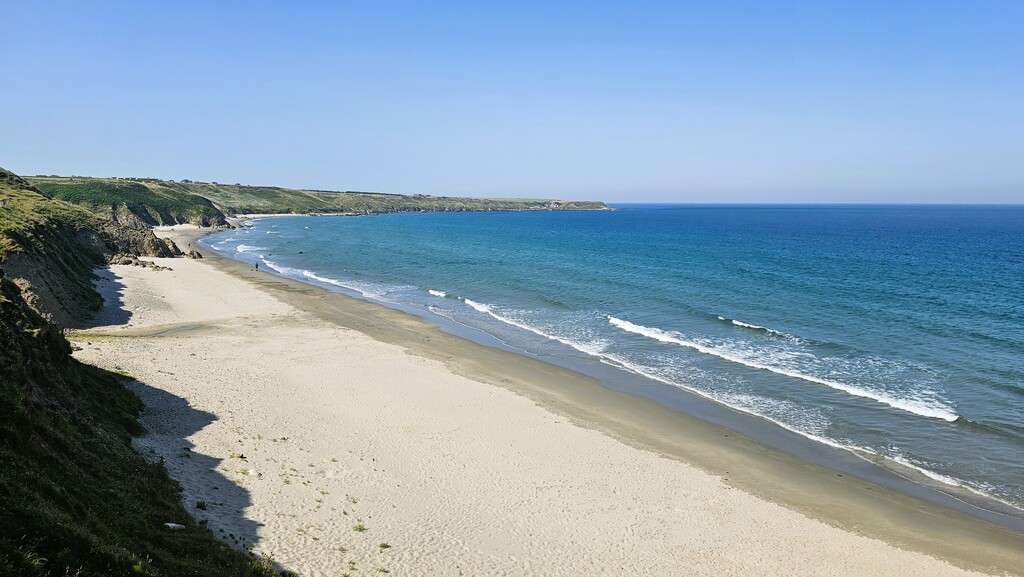
After following the coastline for what seemed like endless miles, I eventually reached my penultimate checkpoint at Traeth Colmon. This meant I had only nine or ten miles left before running out of land at Aberdaron. This was the final stop before pilgrims would traditionally set sail for Ynys Enlli.
Now I was really beginning to feel the effects of sleep deprivation. Had there been anywhere to shelter from the sunlight, I probably would have taken a 10-minute dirt nap. But under the midday sun, there was literally nowhere to do so. I was so tired that I was beginning to move on autopilot, zombie-walking mile after mile. Around this time, my mind transitioned seamlessly, and without me realising it, from being relatively lucid and awake into some form of dream state. It was something I had never experienced before. But then, this was probably the most sleep-deprived I had ever been. I genuinely believed I was in a dream.
I lost all urgency to move and felt like a passive participant in my own dream, simply waiting to see what would happen next. I would walk sections of the route on autopilot, then stop at any shaded hedgerow to get some respite from the heat. At one point, I even turned around and began walking back the way I had come. I wasn't lost. As far as I was concerned, I was simply exploring my dream world. I came across a derelict barn in a place called Methlem. My curiosity led me inside, and there I stayed for what felt like 10 minutes. My GPS trace later revealed that I had actually been there for an hour and a half!
I had completely lost my sense of time. Not once did I fall asleep during this period.
Then I received a couple of phone calls from family members who had been tracking my progress via satellite and noticed my erratic movements. Those human interactions broke through the fog of the dream state and I began to realise that I wasn't dreaming. I was actually in reality. I gathered my things and searched for my backpack. It was nowhere to be found. I set off to look for it, only to eventually realise that it was still on my back!
Over the next hour, I made my way along the final few miles. By now, my progress was extremely slow, partly due to a lack of food and energy, not keeping up with my hydration and general exhaustion. During this time, I drifted back into the same dream state.
Eventually, I reached the final half-mile, where the path runs parallel to a stream into Aberdaron. It was here that I somehow missed a turning and followed the wrong path towards a private property. I had to retrace my steps, but I was struggling to find the path fork in the dense vegetation. In the end, I decided simply to follow the stream down towards the sea.
Further downstream, I tried crossing to see whether there was a way through on the opposite bank. For 15 minutes, I did my best to hack my way through thorns, thistles and thick vegetation, all while having no idea whether there was actually a way through. Once again, I was in full dream mode and my mind wasn't functioning rationally. I eventually gave up and continued wading downstream in the river. Eventually, I reached a point beyond the private residence where I could clamber out over the steep channel wall. From there, I walked the final 200 metres to St Hywyn's Church in Aberdaron, which marks the end of the North Wales Pilgrim's Way.
As I approached the church gate, a voice called out my name. I looked up, feeling confused. It was my brother-in-law, Andrew. I had a strange sense that he was supposed to be there to pick me up, but I thought that was just part of my dream. Of course, it had been planned that he would pick me up. I felt so confused and unsure of what was happening. After a couple of minutes of talking to him, I slowly began to return to reality and realised that everything I had experienced was real. Physically, I was okay. I was hungry and a little dehydrated, but basically fine.
During the hour-and-a-half journey home, I tried to explain what I had experienced and piece everything together. I know I could have gone much faster had I taken a few more dirt naps, but this FKT was more about gaining experience with going non-stop over multiple days and dealing with challenging conditions. Given the weather conditions, it certainly wasn't the ideal time to set a fast time, so I was happy with the outcome. More importantly, I was pleased to have experienced the entire pilgrimage as a single, near-continuous journey. For the record, although the official distance is 136 miles, my Garmin Enduro 3 recorded just over 150 miles!
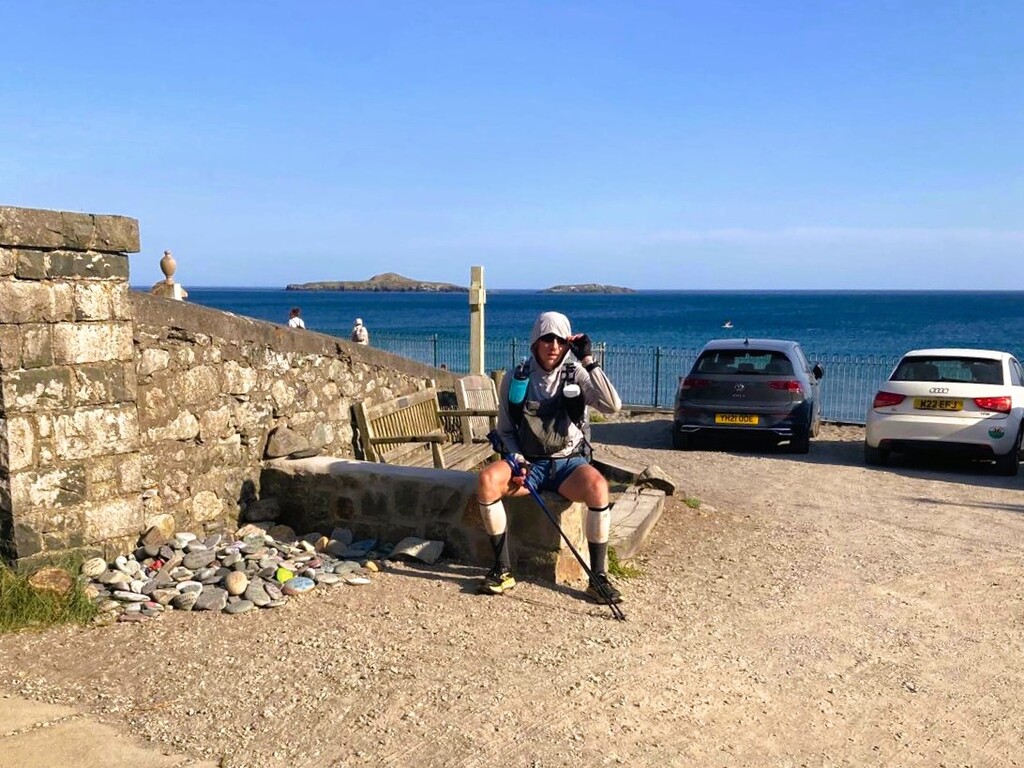
In my mental fog I completely forgot to take photographs of myself at the finish point. Fortunately, Andrew snapped a quick photo of me sat in front of St Hywyn's, still clutching my carbon fibre "pilgrim's staff"! Thank you, Andrew, for picking me up and for taking that photo.