




Into the Darkness
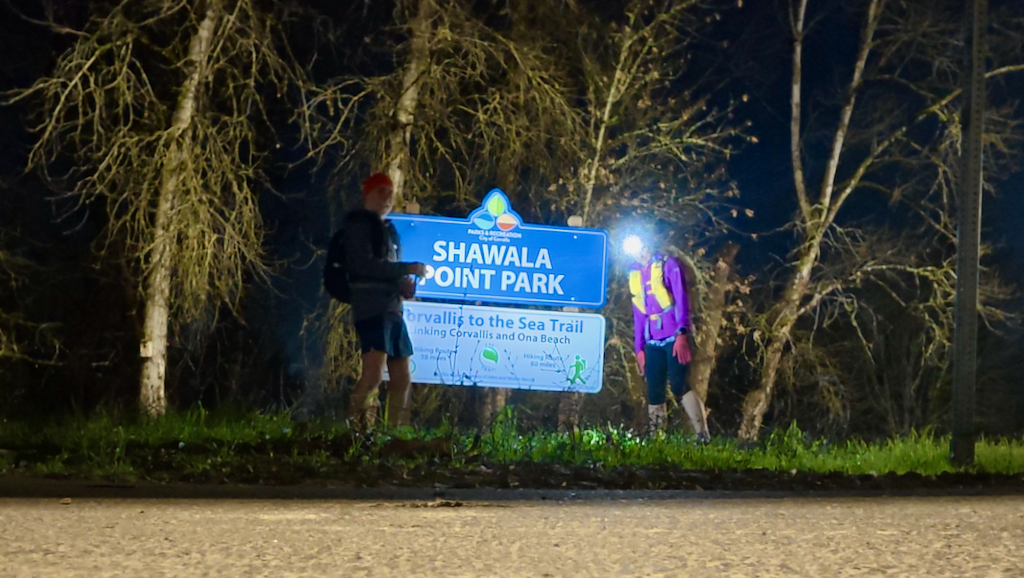
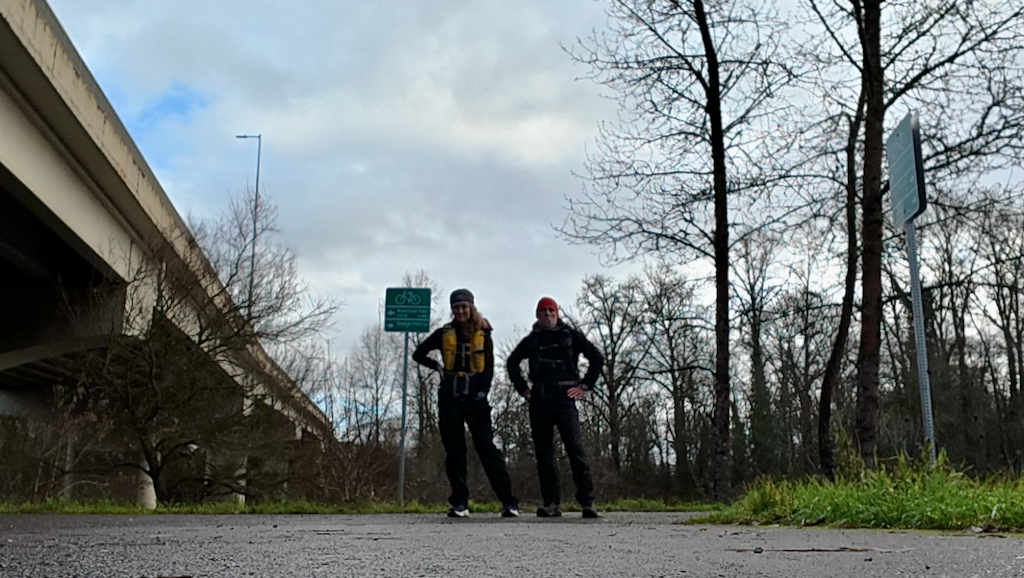
We started under the freeway in downtown Corvallis, exactly as advertised. The moon was nearly full, stars were out, and the hour was indecent. The Corvallis-to-Sea (C2C) trail (not so much a trail as a loosely affiliated route) began quietly enough. We hoped for luck.
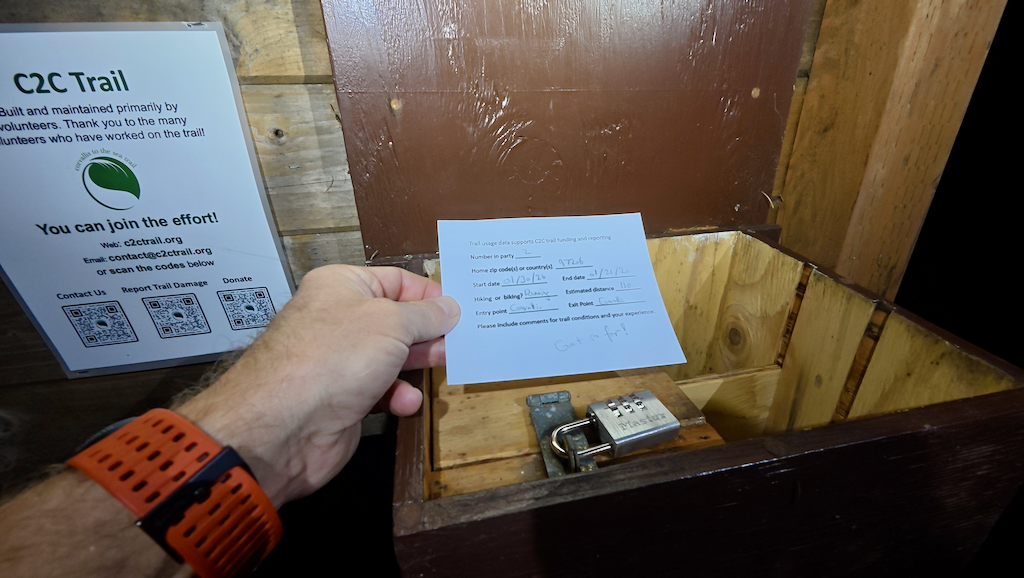
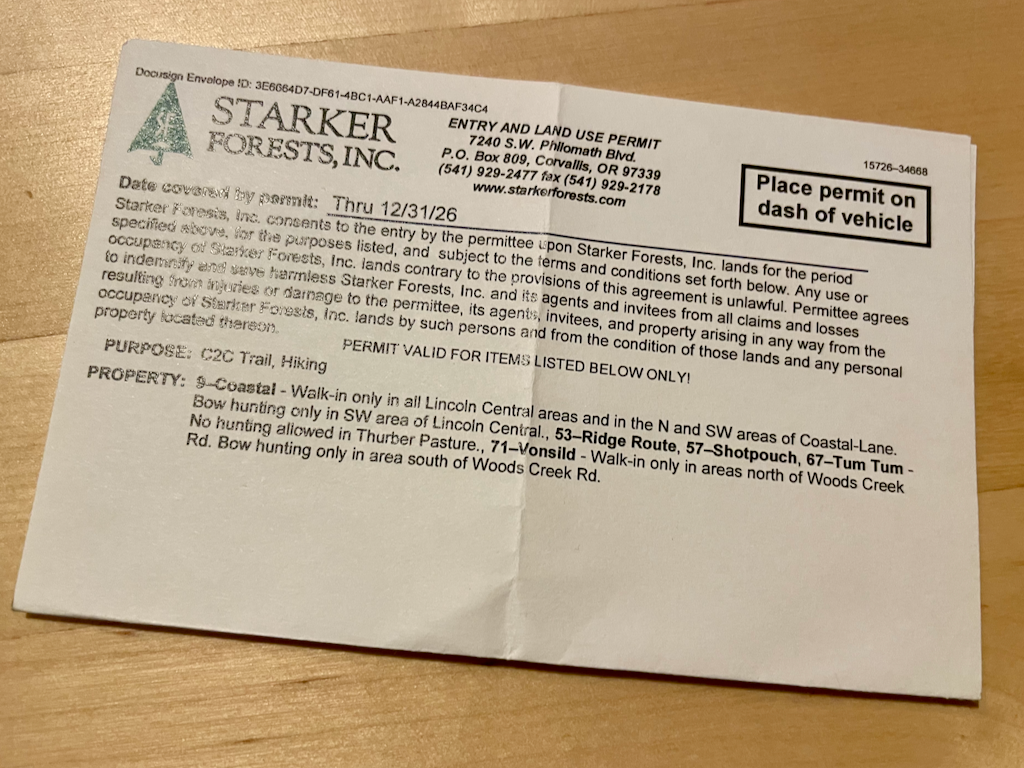
“The Corvallis-to-the-Sea (C2C) Trail provides an opportunity to enjoy the Oregon Coast Range in a new way, whether by foot or bike. It is one of 15 Oregon Signature Trails. To be experienced are deep forests and open vistas; a wide variety of trees, shrubs, and flowers; signs and sounds of wildlife; and activities associated with local economies and timberland management” [Source].
Within the first quarter mile we were already discussing interval strategies (¾ mile running, ¼ mile walking) and debating whether one can, in fact, complete personal “tasks” during short walking intervals. This was academic, as we promptly got lost within the first 0.2 miles and had to backtrack after encountering an unfordable river. Strong start.
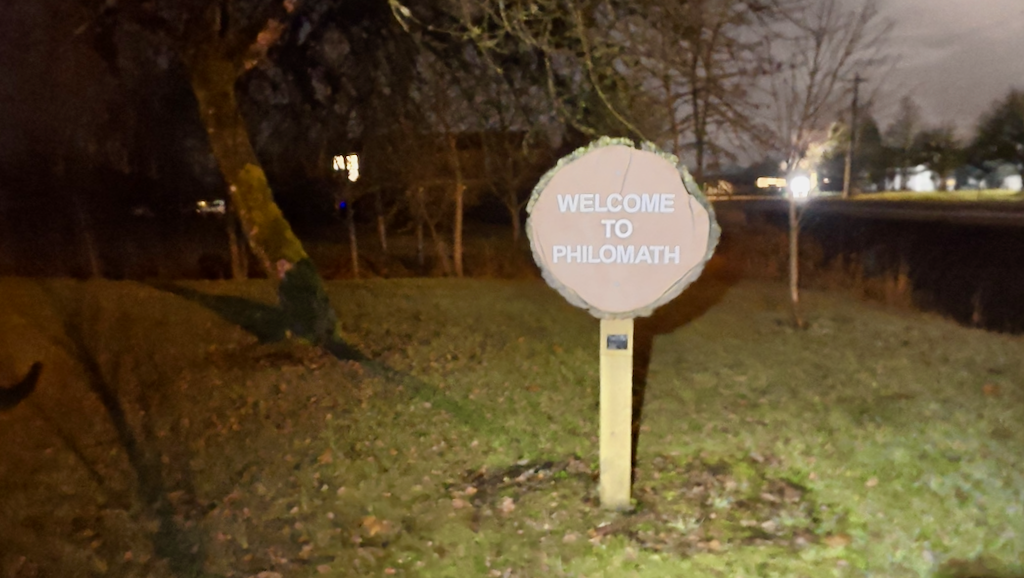
Once corrected, we settled onto the paved path toward Philomath. The morning was clear and cold, with astonishing stars and the Big Dipper bright overhead. Eerie blue streetlights cast a vaguely dystopian glow over apartment complexes. Landmarks passed in sequence: the McDonald’s (closed), the edge of town, and finally the turn toward the forest.
Philomath to Marys Peak
After leaving Philomath, the route climbed steadily toward Marys Peak. We were cruising toward our first cache, imagining a hot breakfast. Sadly but expectedly, the cache delivered what we had planned: cold bagels.
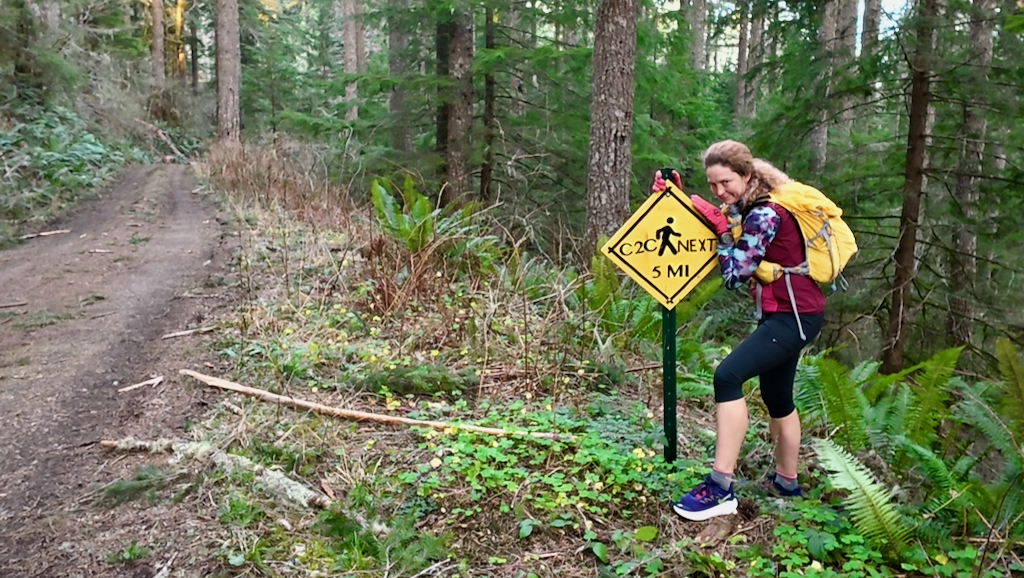
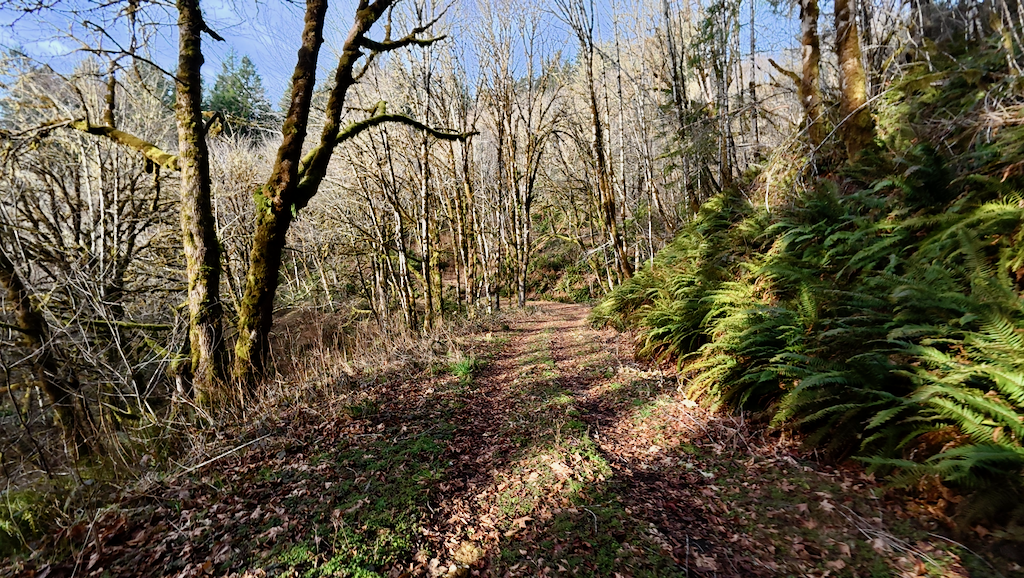
After just over three hours in, we paused for sunrise and bagel number one (of approximately seventeen). Spirits were good. We continued into terrain that briefly resembled an actual trail: lush forest, ferns, and trees doing what trees do.
Wildlife highlights accumulated: a Pacific wren (heard, not seen, and too small), a salamander roughly three inches long, and later a red-breasted sapsucker. This sighting caused considerable debate and satisfaction.
By mile 30, the sun was out, unpredicted and uninvited. The bird list at that point included Northern Flicker, Black-capped Chickadee, Steller’s Jay, and crow. Mammals included one horse and an aggressively revised estimate of approximately fifty-five cows.
Caches, Calories, and Questionable Roads
The second cache appeared earlier than expected (mile 35 instead of 38), which felt like winning a small lottery. We refueled quickly with a banana and an egg-and-cheese sandwich and pressed on. Somewhere around mile 38, one of us experienced a brief but memorable gastrointestinal rebellion. We will not elaborate.
The route grew stranger: long stretches of flat, quiet road lined with isolated, vaguely unsettling houses. The beach called to us from afar. Optimistic arrival predictions were made, disputed, and emotionally crushed.
At around mile 50, we noted with pride that we had covered roughly a Deschutes-to-Maupin-distance equivalent in just over twelve hours. Applause was requested, but not guaranteed.
The Turnaround: Ona Beach
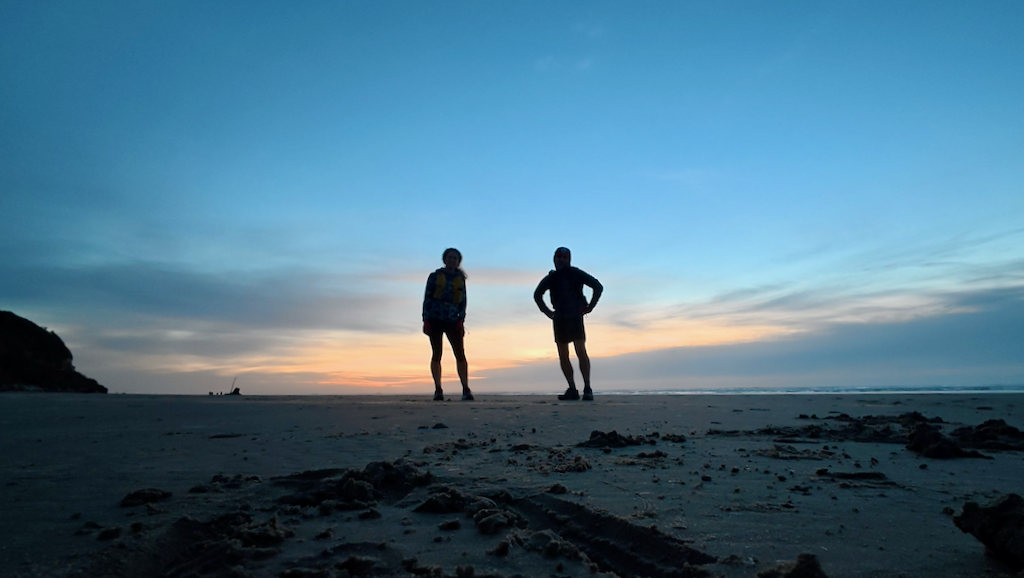
We reached Ona Beach in approximately 56 miles and 13 hours, 48 minutes. Pretty good. Pretty good indeed. After walking a bit farther, because of course we had to, we stopped, ate warm self-heating meals, and turned around. Relief was immediate and profound. Only 56 miles back.
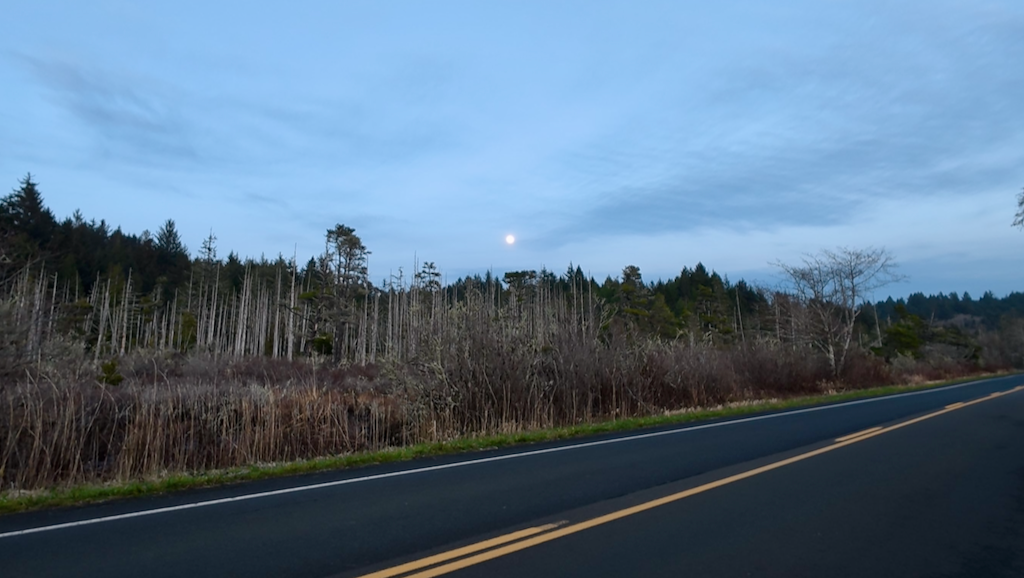
The night was beautiful: full moon, no wind, mercifully dry. Darkness felt like a gift. Along Beaver Creek Road we spotted nutria, numerous, unmistakable, and deeply unsettling, and carried on toward the return caches. Nutria-burger, anyone?
The Long Night Back
Somewhere after the turnaround, joy quietly left the building. A second bout of illness arrived. Walking straight became optional. Progress slowed. Rain began.
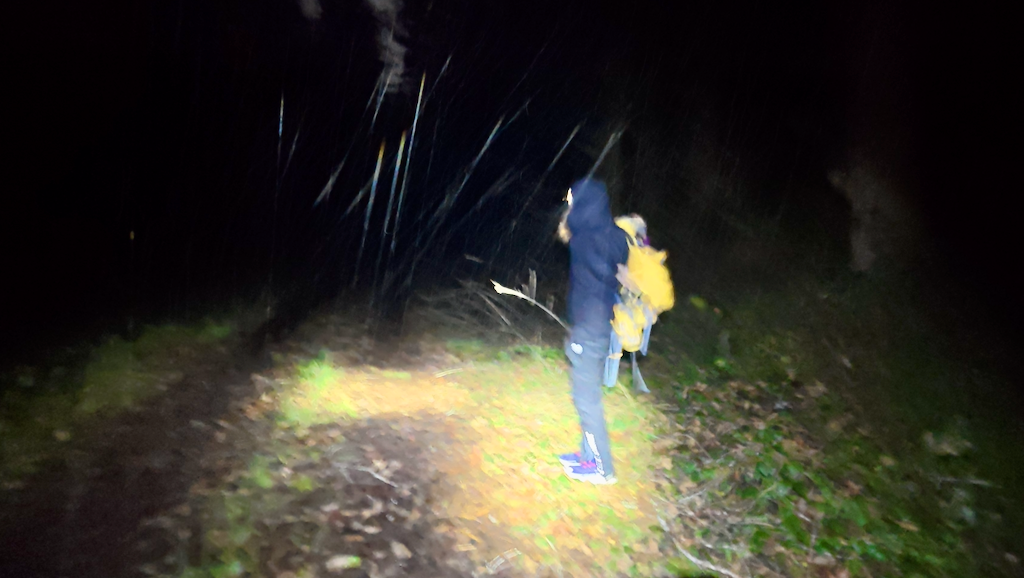
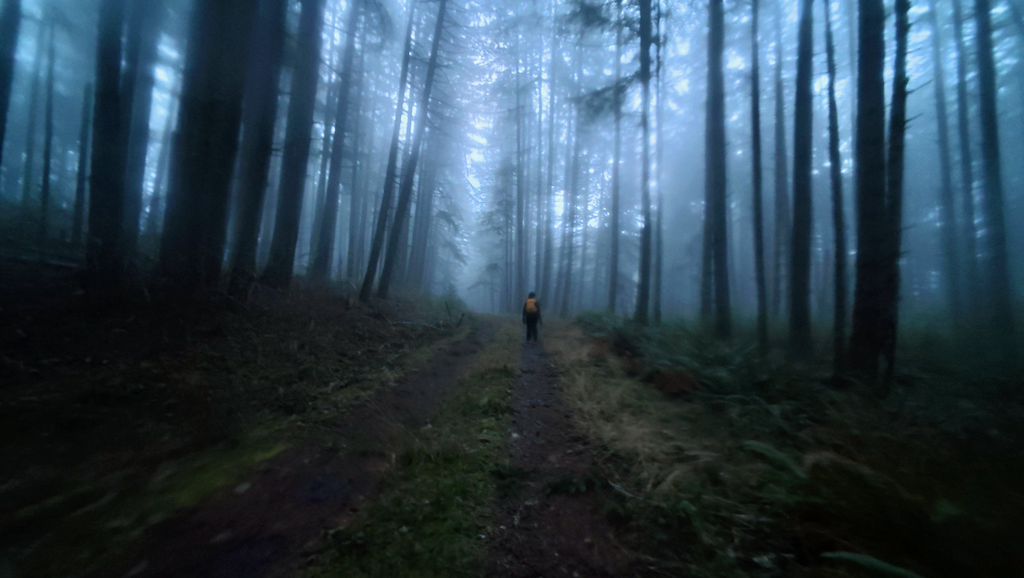
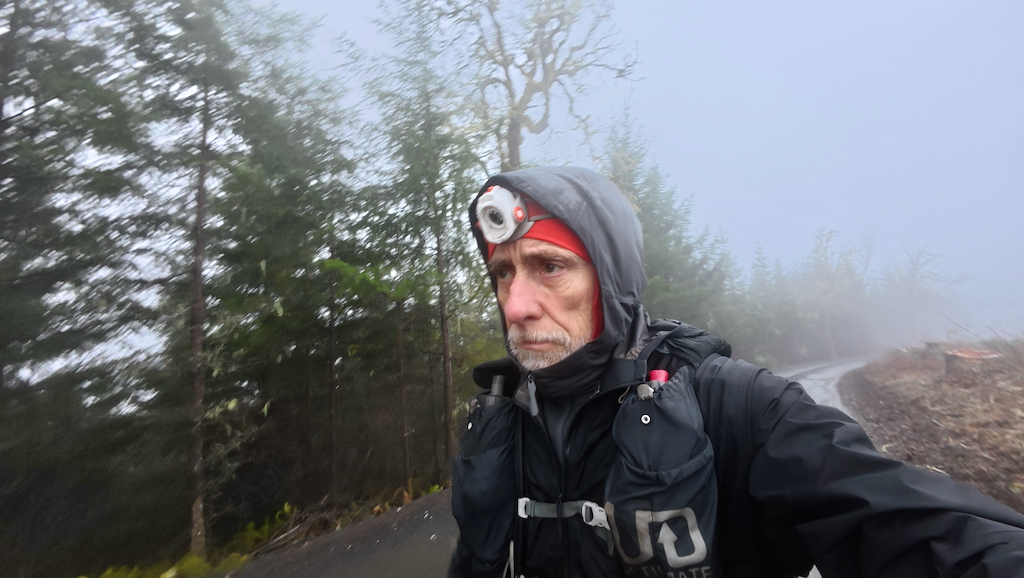
By the time we were climbing again toward Marys Peak, it was pouring. Rain pants and jackets soaked through in minutes. Cold set in. Fog thickened to the point of near-total visibility loss. Dawn crept in without encouragement.
Eventually, we staggered back into Philomath, still wet but functional enough to locate a park bathroom with hand dryers. Temporary resurrection occurred.
With the rain easing and hints of blue sky overhead, we covered the final miles along Marys River, under familiar underpasses, and back to where it all began.
We finished tired, damp, and intact, faster than expected, all things considered.
...
Full report: https://www.christofteuscher.com/aagaa/report-110mi-self-supported-out-back-corvallis-to-sea-fkt