

Preparation
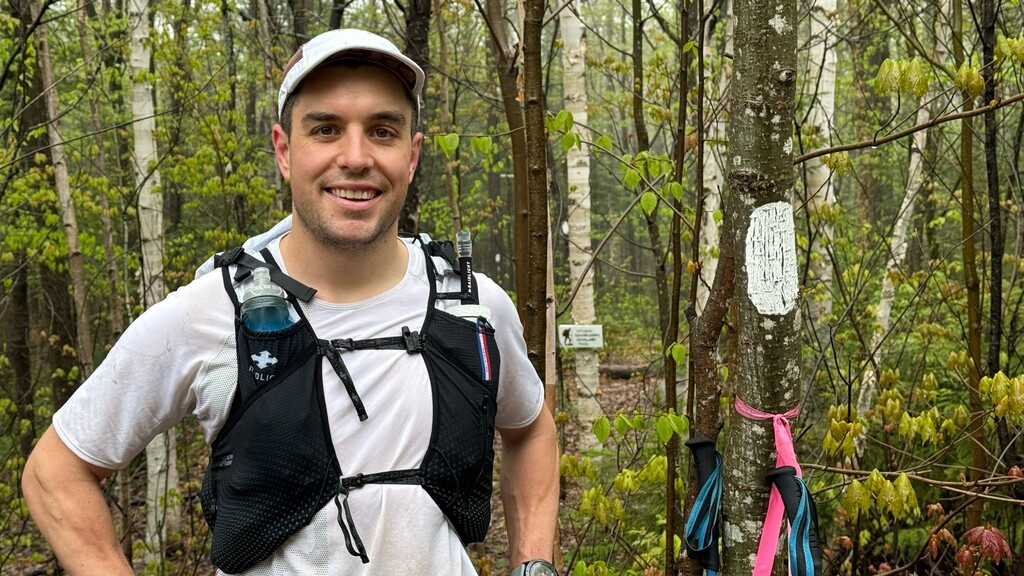
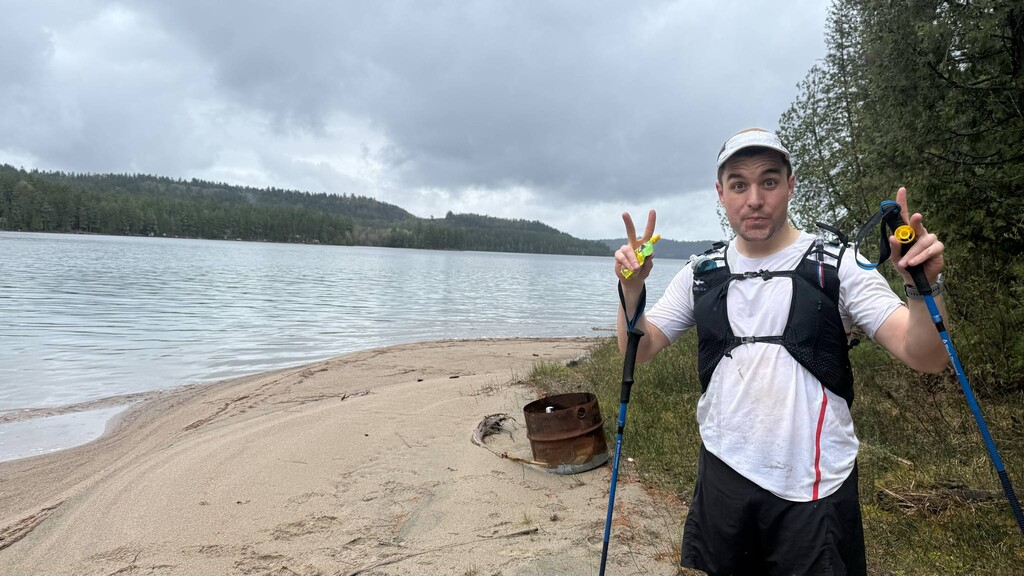
Preparation for this adventure was both rigorous and gradual. Throughout the winter, we increased the frequency of long runs, often carrying a backpack heavier than what we would bring during the actual challenge. These training sessions, done in tough conditions—starting runs with wet feet, off-trail routes over highly technical terrain—were meant to closely simulate the constraints we would face. Runs lasting over five hours at low intensity helped build both physical and mental endurance.
Organization and Logistics
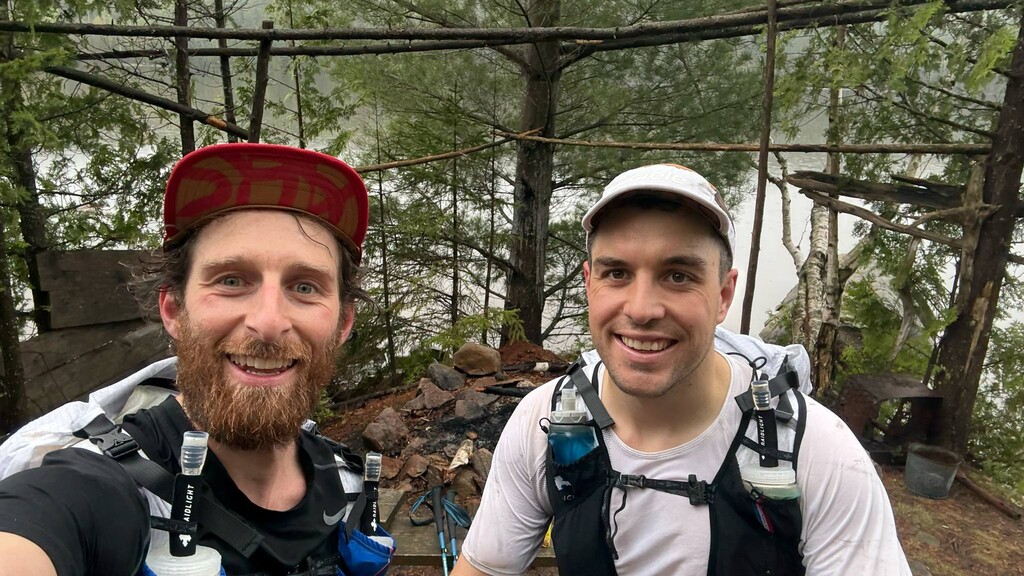
The two main goals of our plan were to ensure full autonomy while remaining easily reachable in case of emergency, whether due to injury, gear failure, or nutrition issues. On this kind of adventure, so many unexpected events can occur that it’s essential to have a plan A, B, C—and more! Two close friends, Jocelyn Lacroix and Brian Carrier, made up our emergency support team. With them, we identified possible exit points through the woods or via the lake. They remained on standby throughout the race, ready to step in with a satellite phone, a truck, an ATV, or even a boat if necessary.
During the run, we carried everything we might need to survive an emergency: bandages, improvised splints, sutures, medications, an emergency sleeping bag, warm clothes, a backup satellite phone, water filters, extra food, and more. After much discussion and trial-and-error to determine what was essential, what could be left behind, and what would have been helpful but added too much weight, we settled on a total pack weight of 15 pounds. This was the load we would carry the entire way.
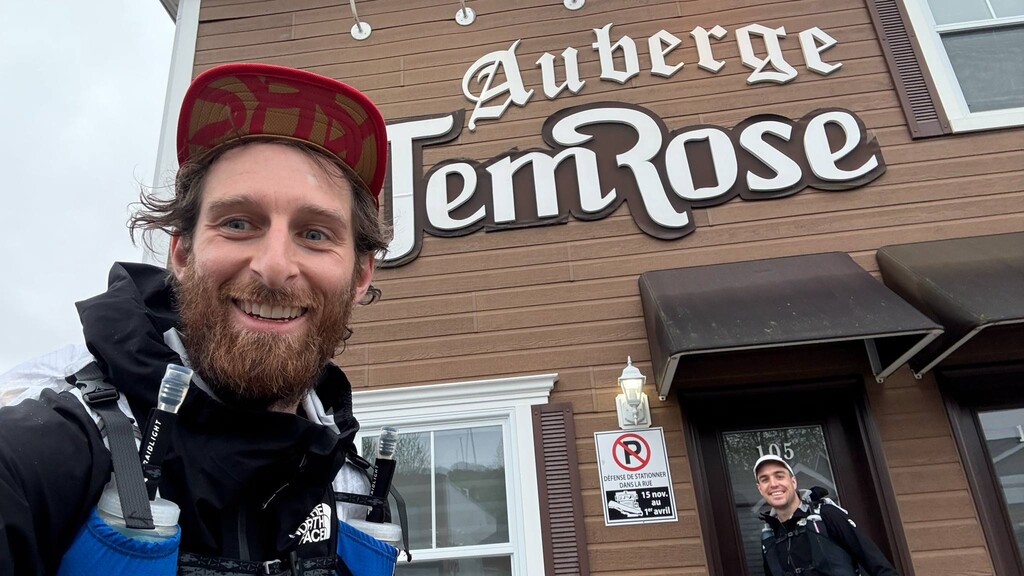
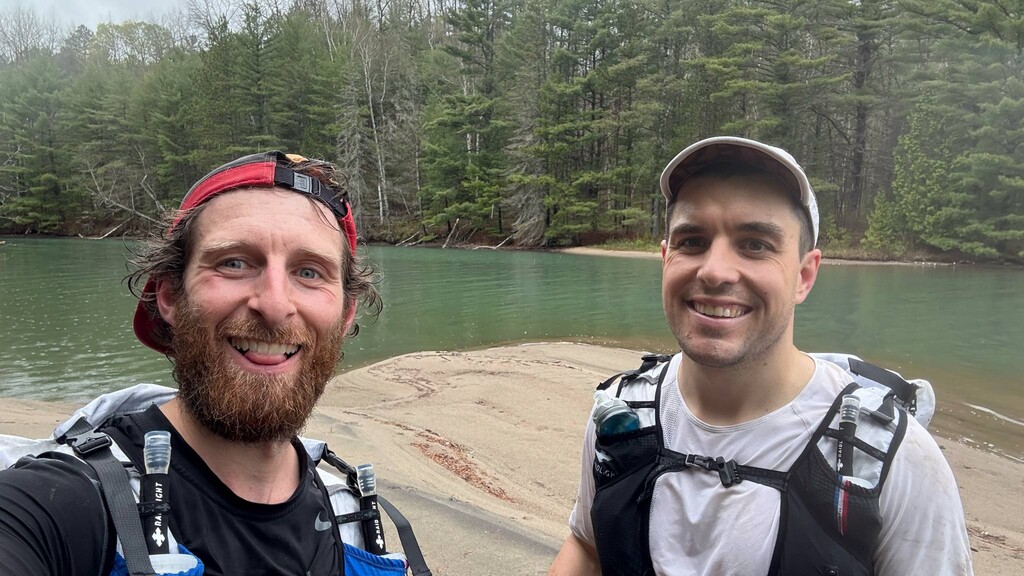
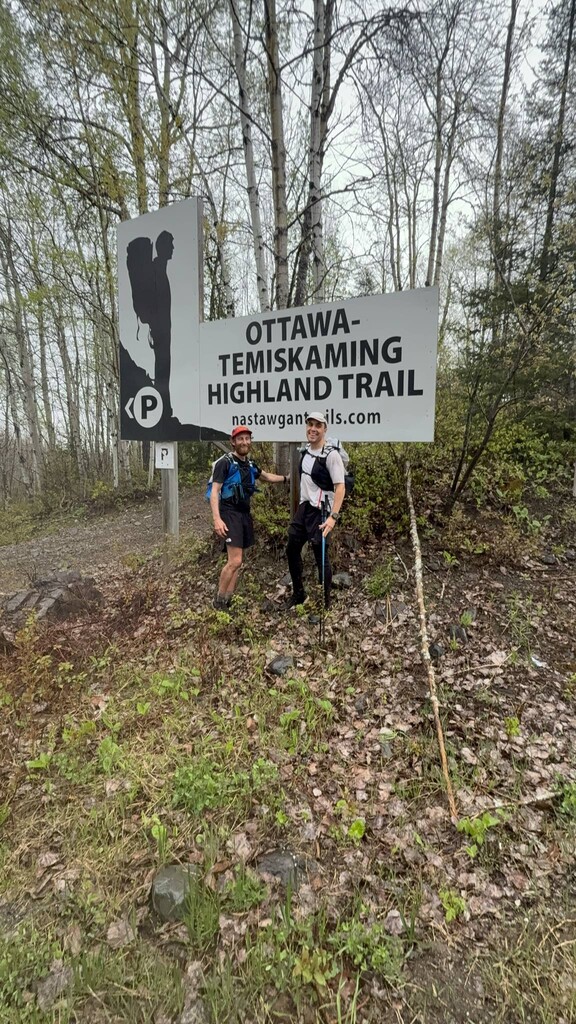
Our objective was to remain fully self-supported, with no outside resupplies, in order to complete an unsupported FKT (Fastest Known Time). This also gave us the freedom to manage our pace without pressure, without the stress of meeting someone at a set time or place. Michael’s father drove us to the starting line the day before, in South Témiscamingue, where we spent the night at the TemRose Inn. Upon our arrival in Latchford at the end, Jocelyn and Brian would meet us to bring us back to Rouyn-Noranda.
The Challenge
-
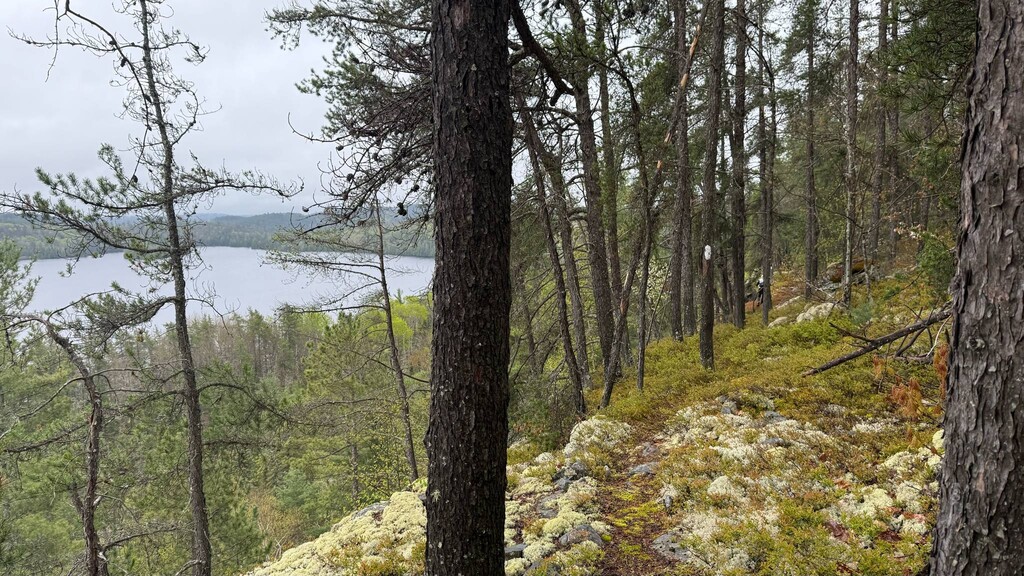
Distance: 145 km of extremely technical, remote trails with no direct access.
-
Elevation Gain: 6,192 meters (initial data suggested 2,642 m, a surprising and major difficulty to overcome).
-
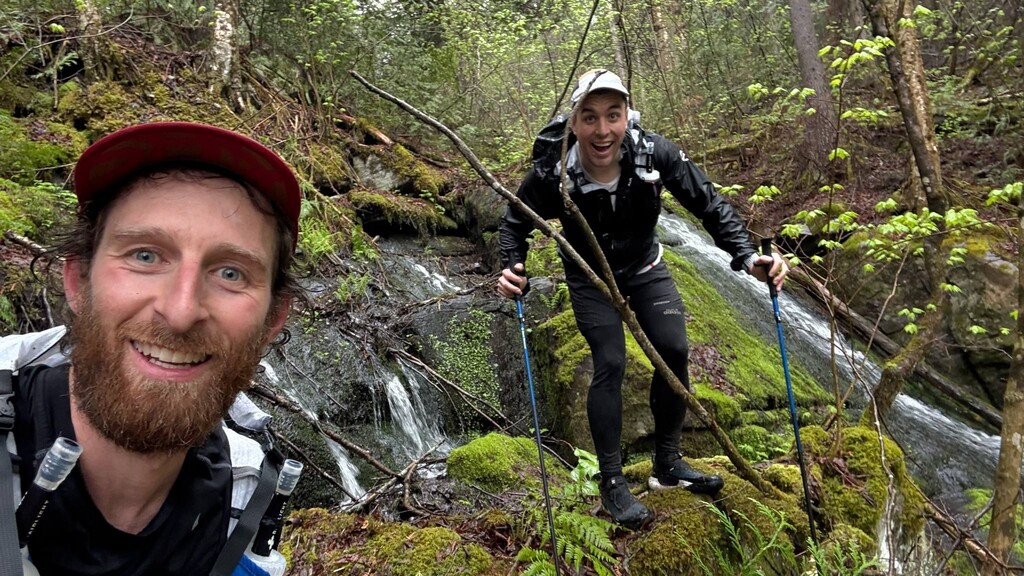
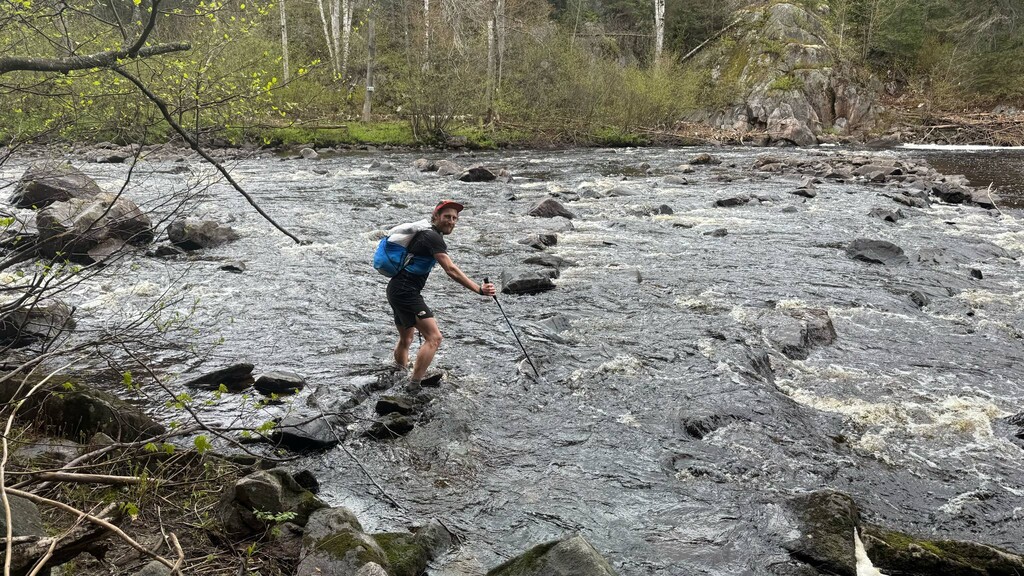
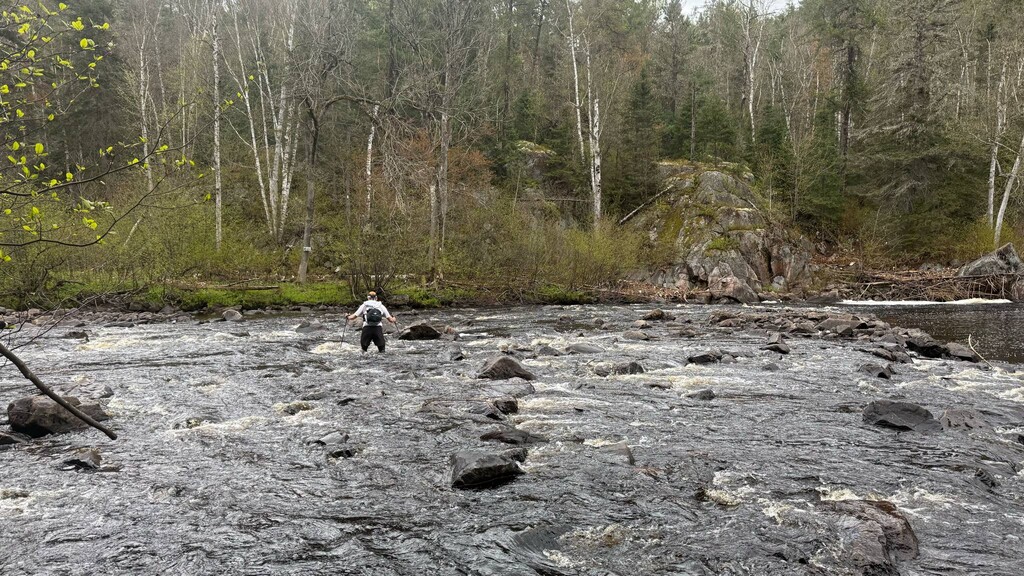
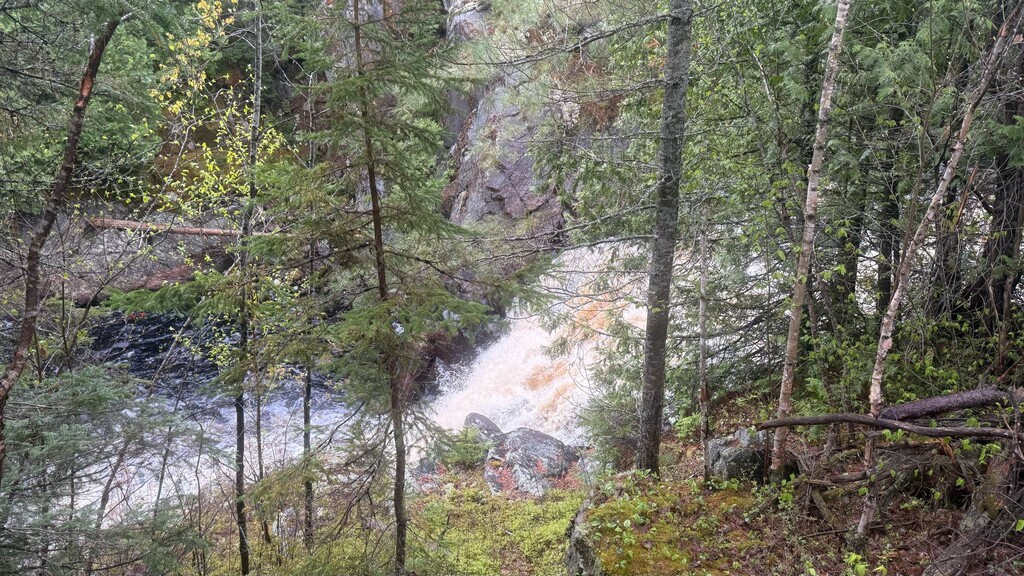
Many river and creek crossings, meaning we had wet feet from start to finish—with all the issues that entails.
-
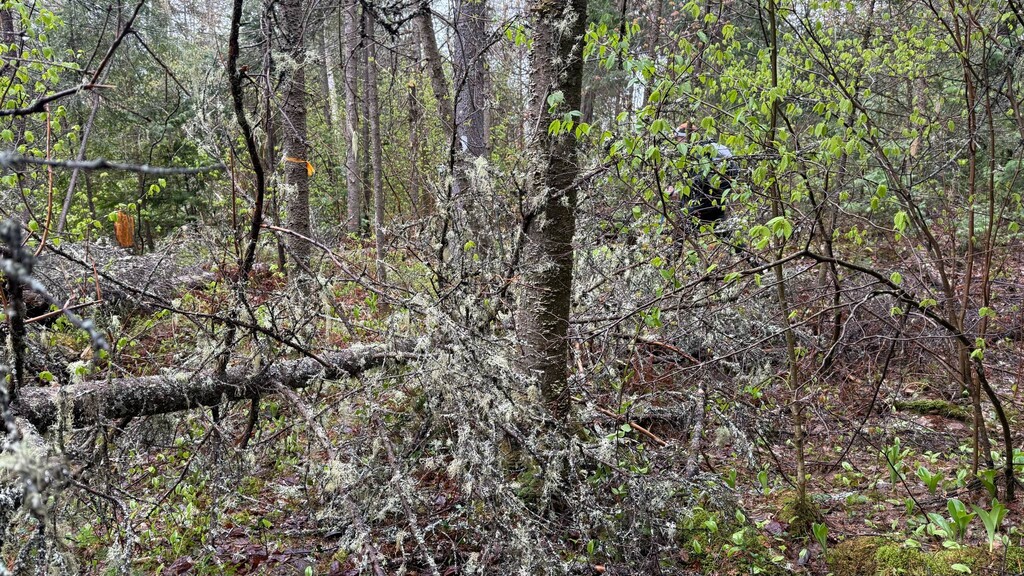
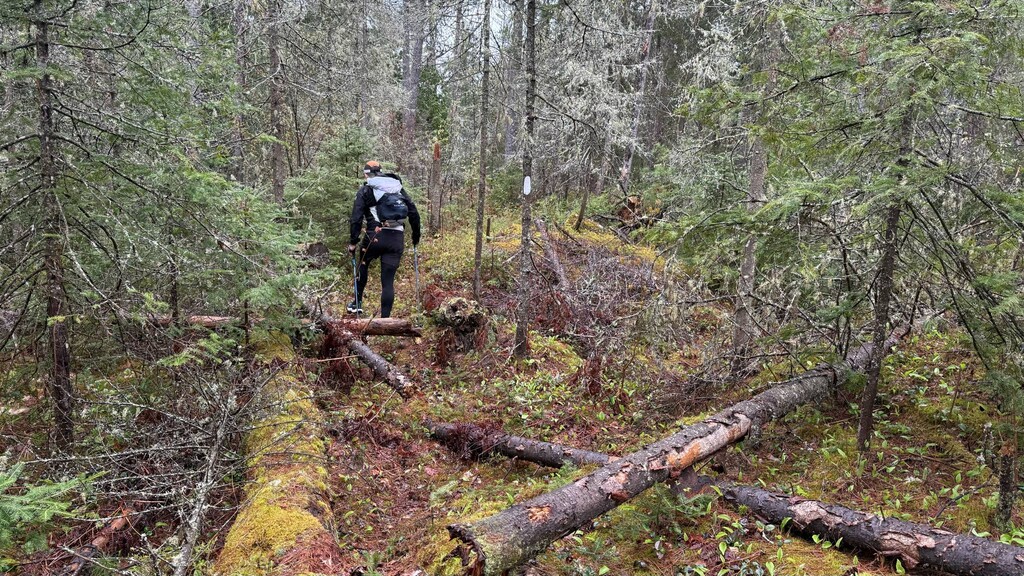
One week before departure, we learned that hundreds of trees had fallen over a section of the trail, making the challenge even harder.
The Story
Stage 1 – TemRose Inn to Thorne (km 0 to 3)
An excited start in the rain, filled with energy despite the weather. We moved quickly along the only road section of the entire course… Better enjoy it while it lasted!
Stage 2 – ATV Trails (km 3 to 8)
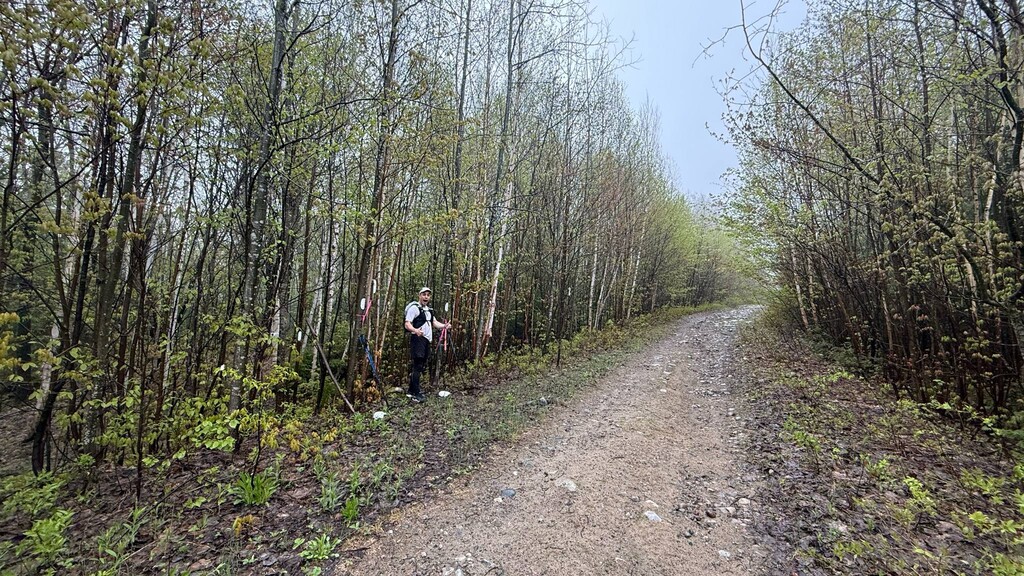
We picked up the pace. The rain stopped. This section, though uphill, was runnable and relatively accessible, allowing us to move very quickly.
Stage 3 – Entry to OTHT to Ottertail Creek and river crossings (km 8 to 42)
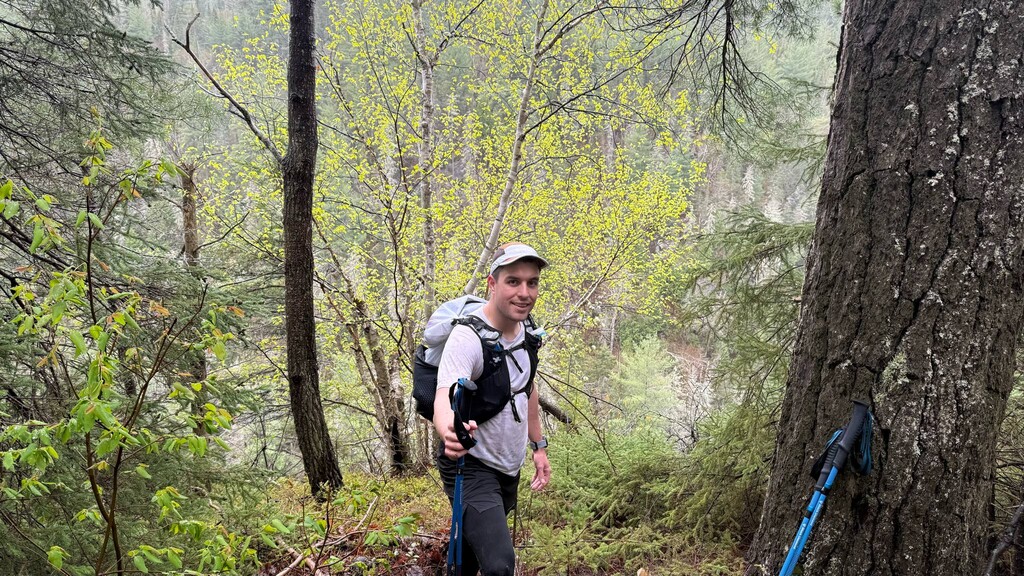
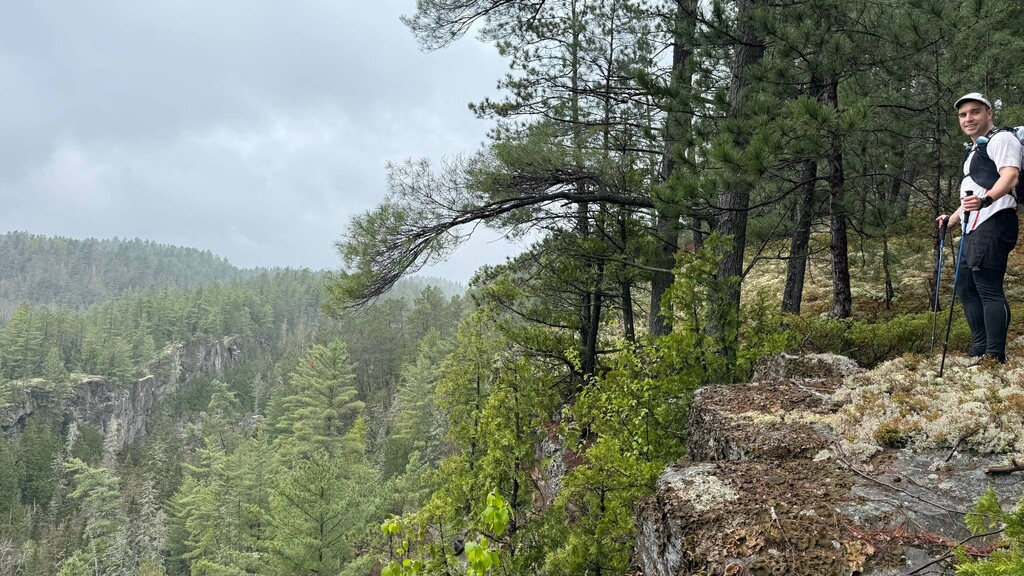
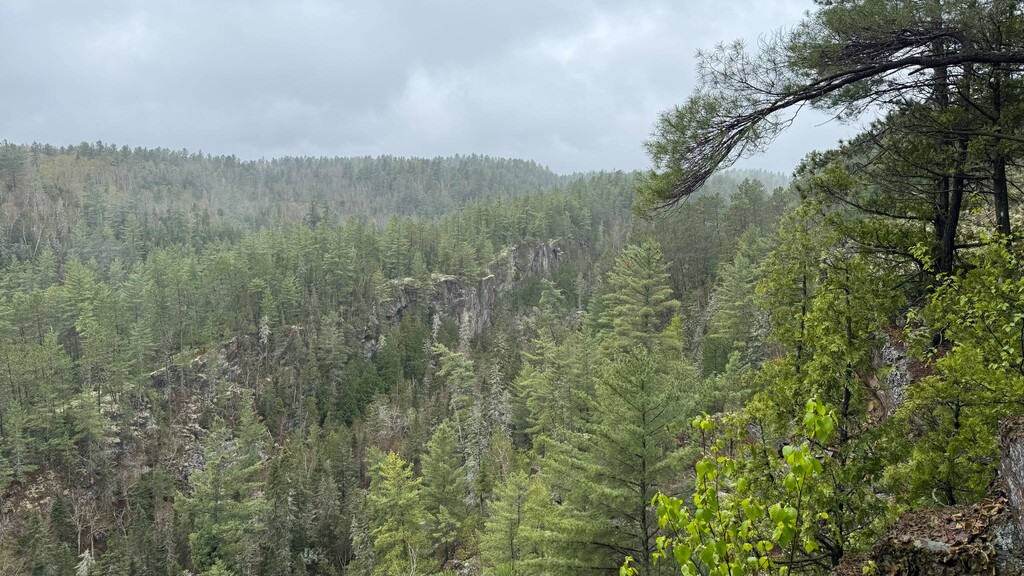
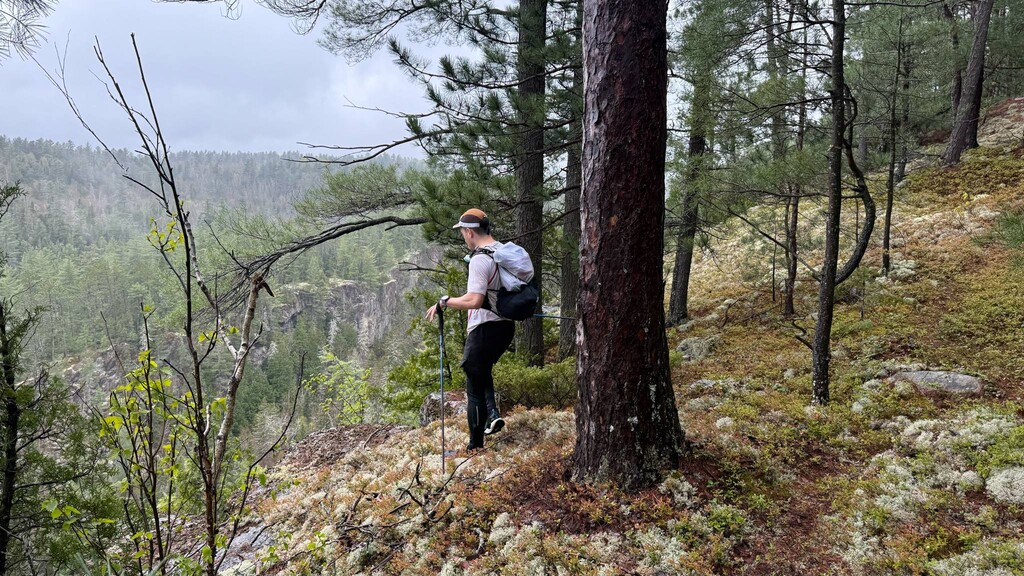
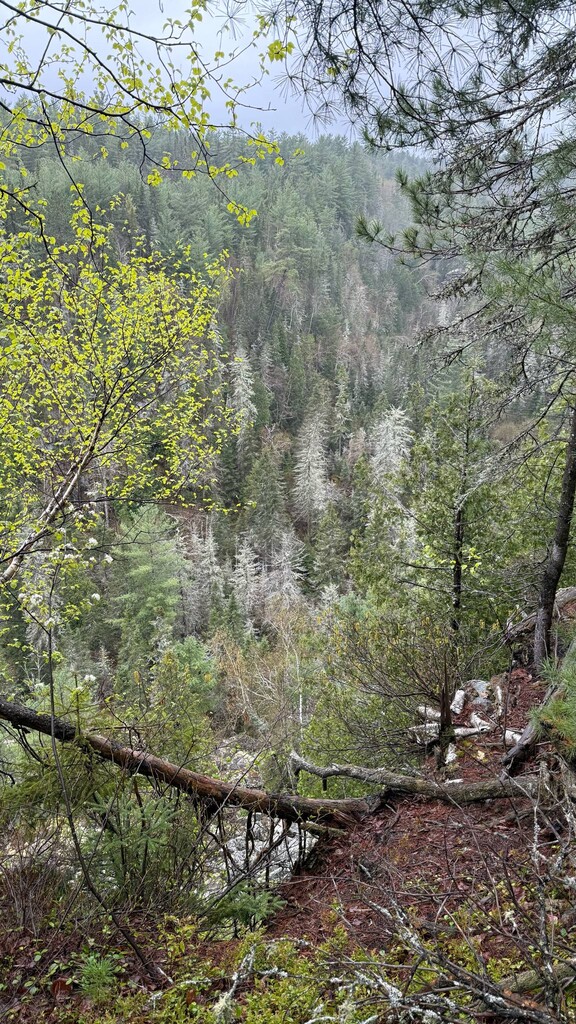
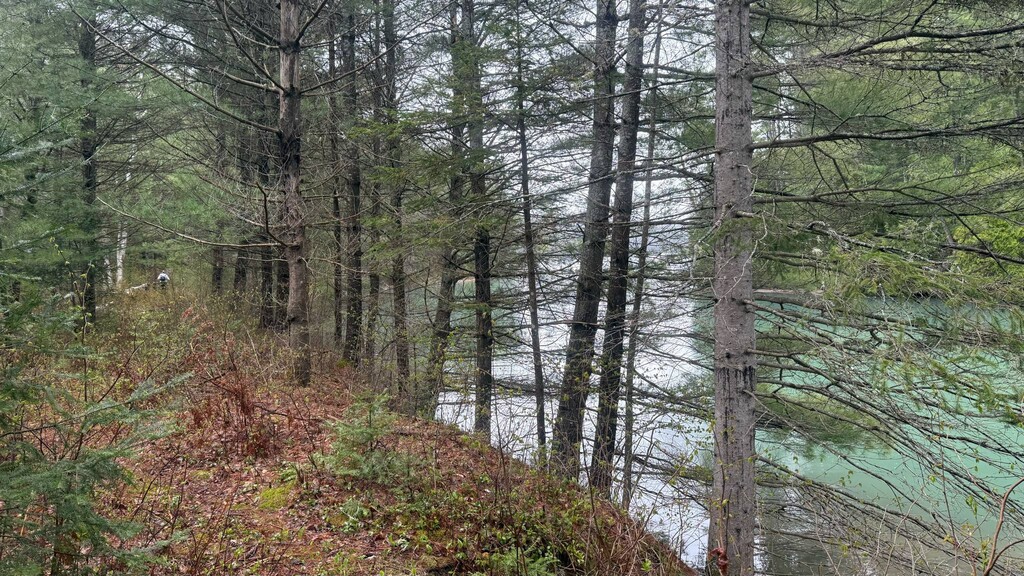
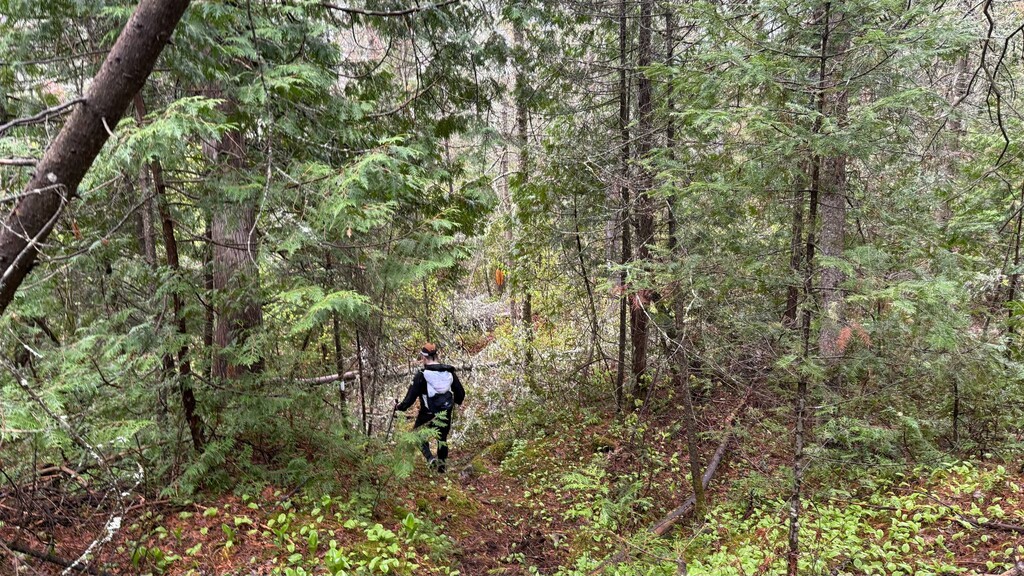
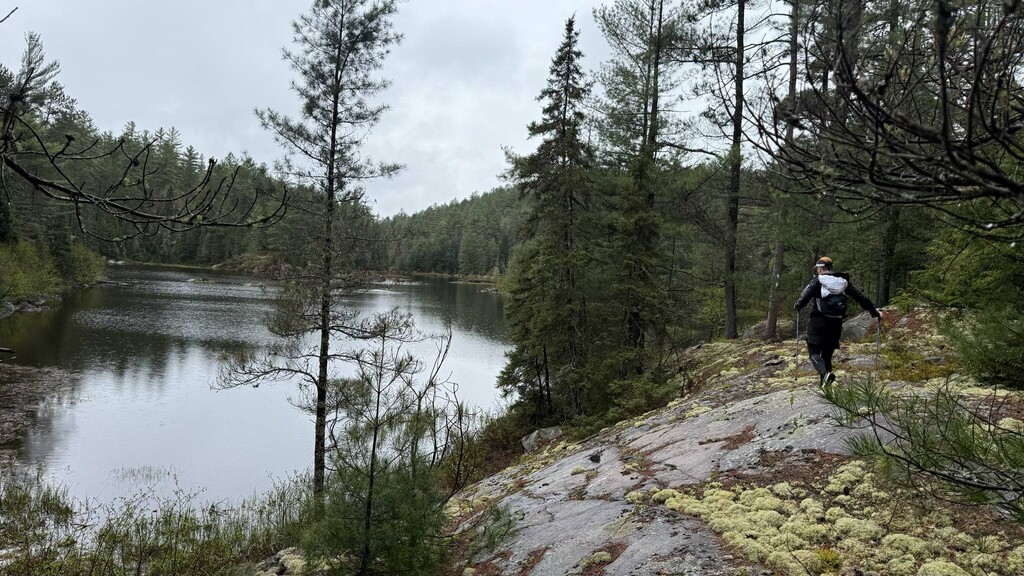
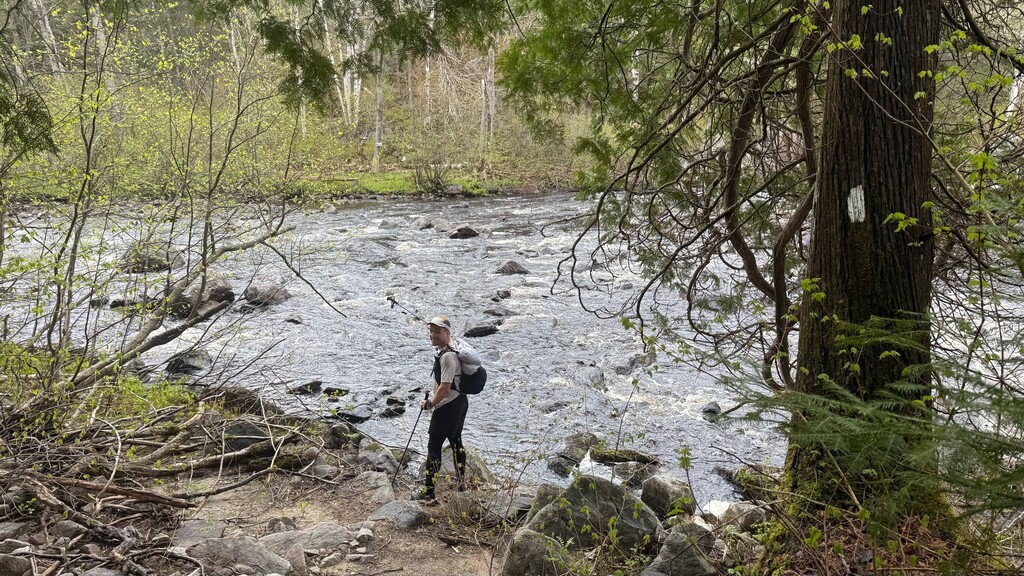
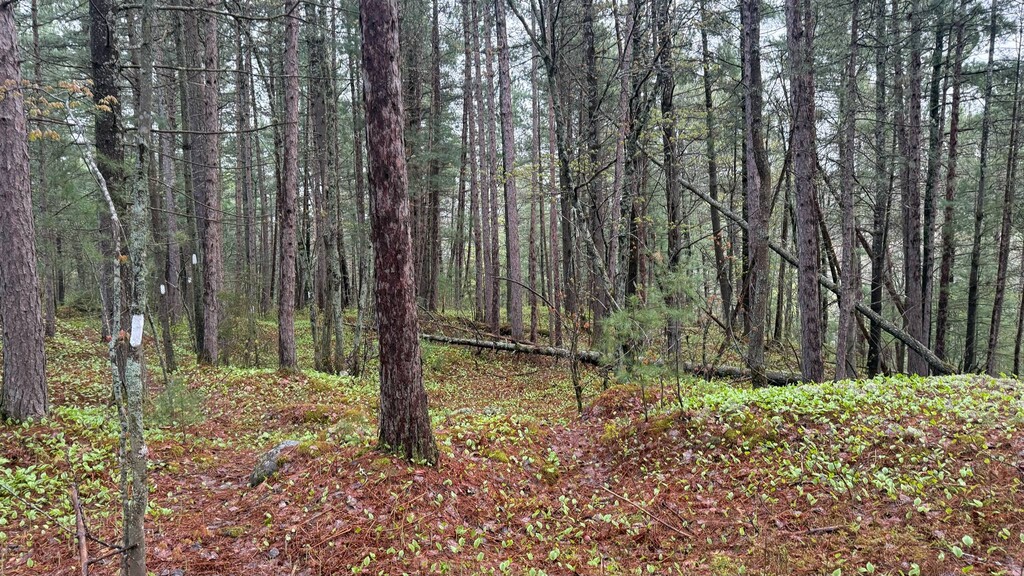
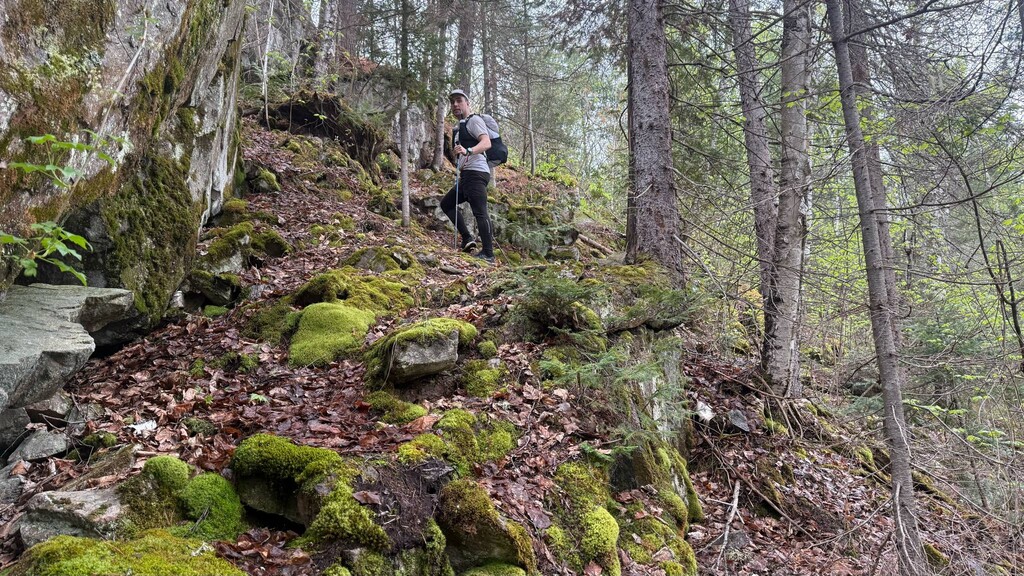
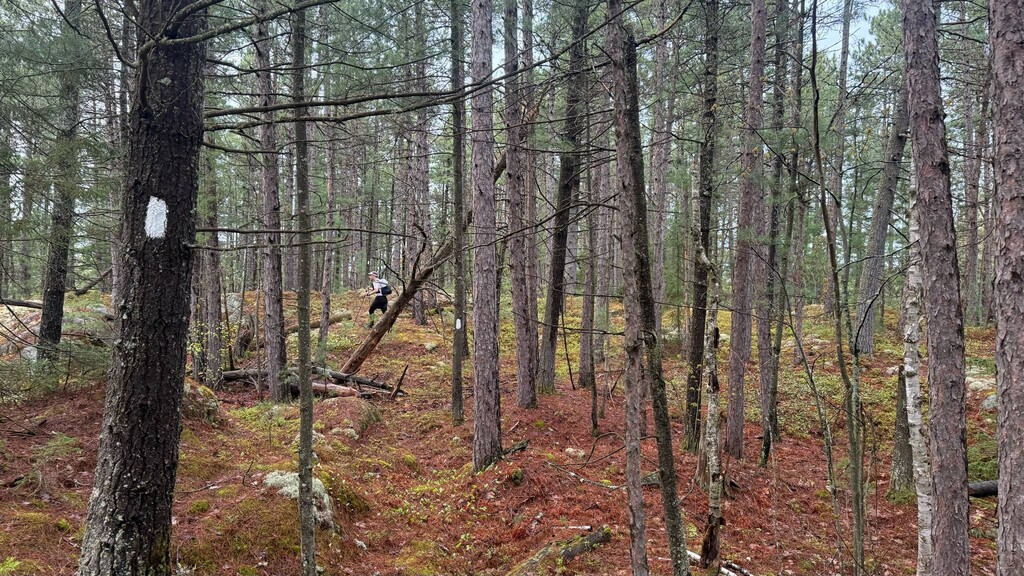
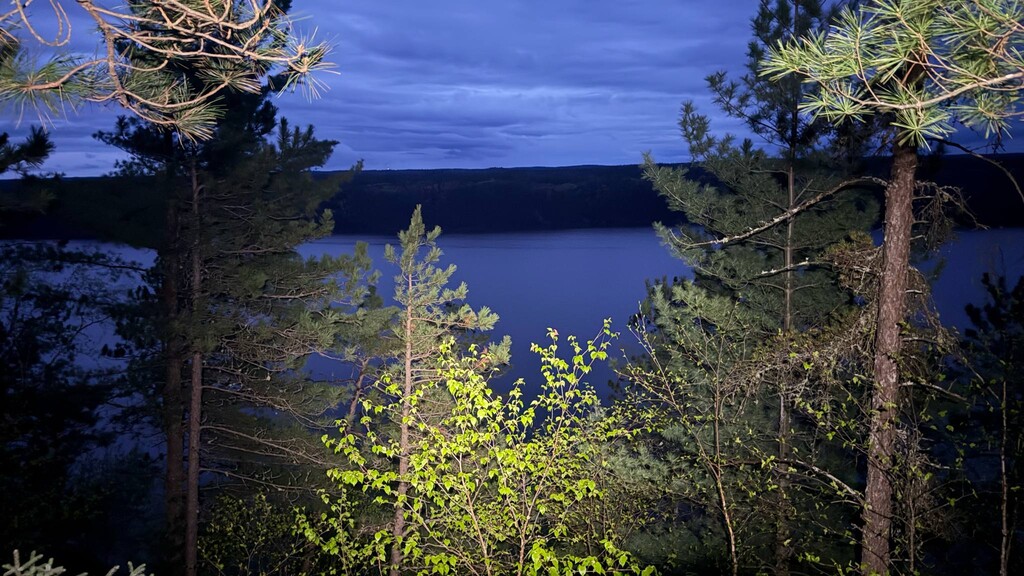
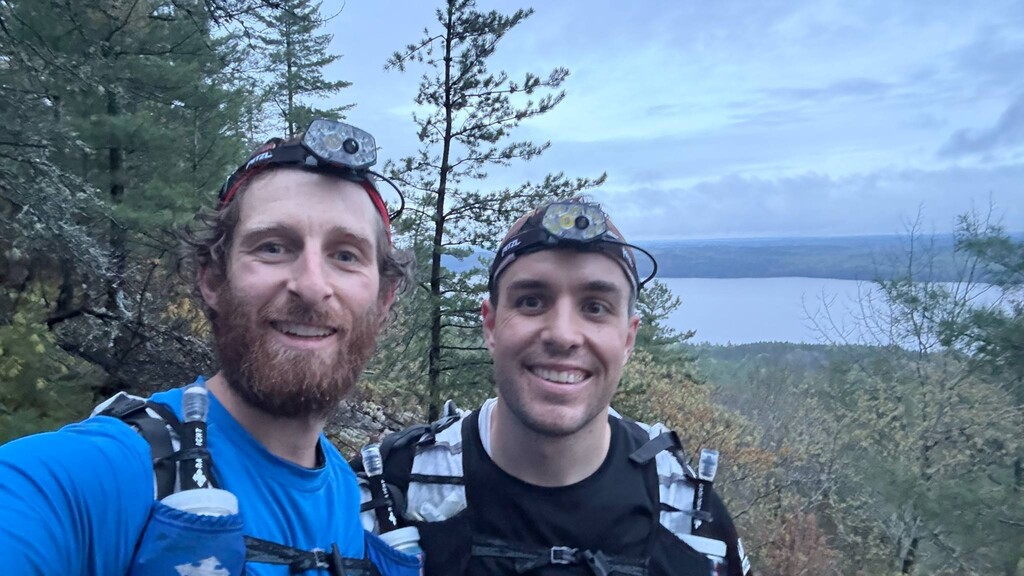
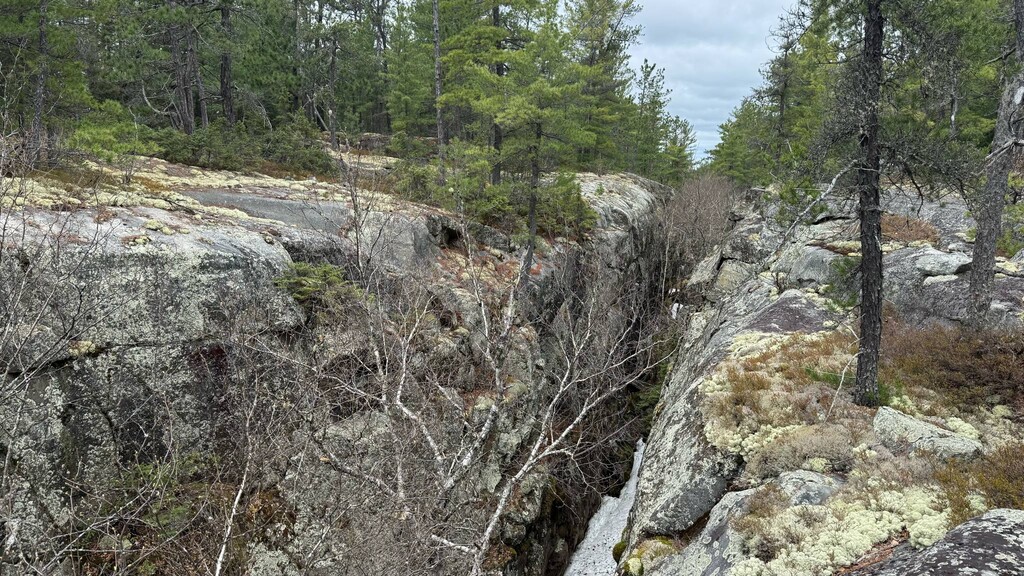
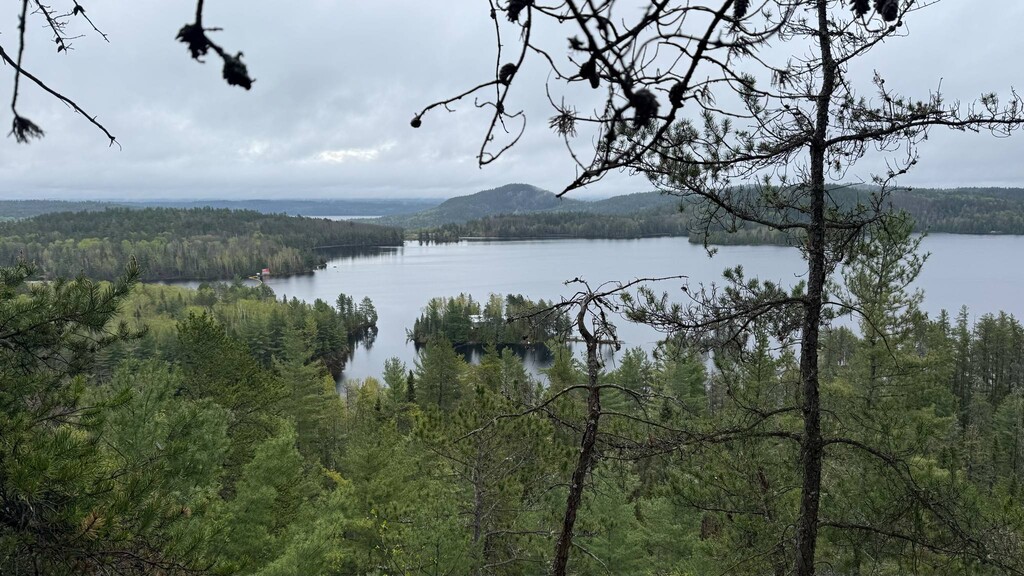
We entered the heart of the forest. Wet feet became our new normal. The trail was rarely used, technical, and offered stunning views over the Porcupine Creek canyon. The sense of isolation and solitude hit hard. Physically, we felt fine—except for the sloping trail, which started to heavily strain (already!) our adductors and ankles.
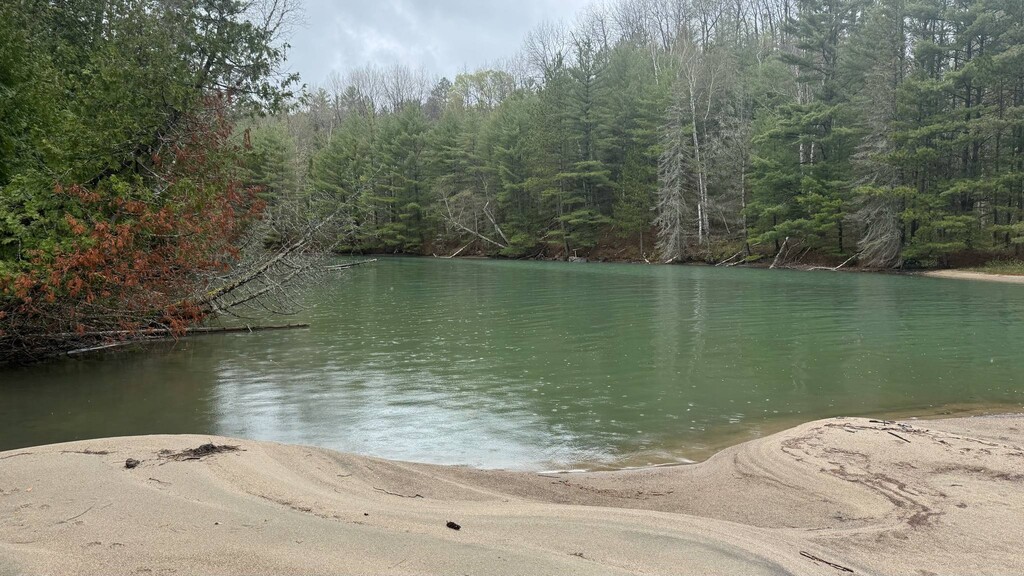
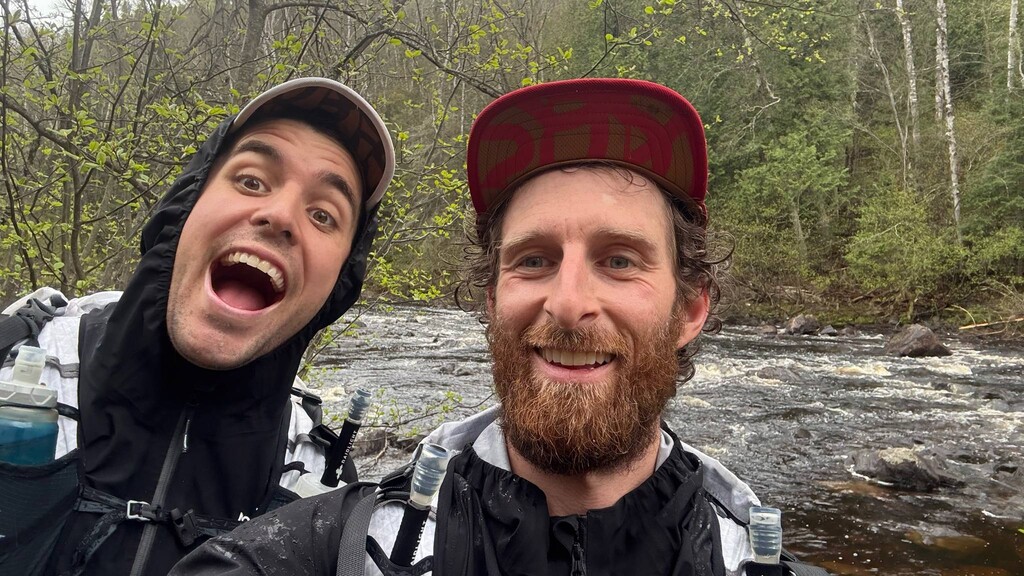
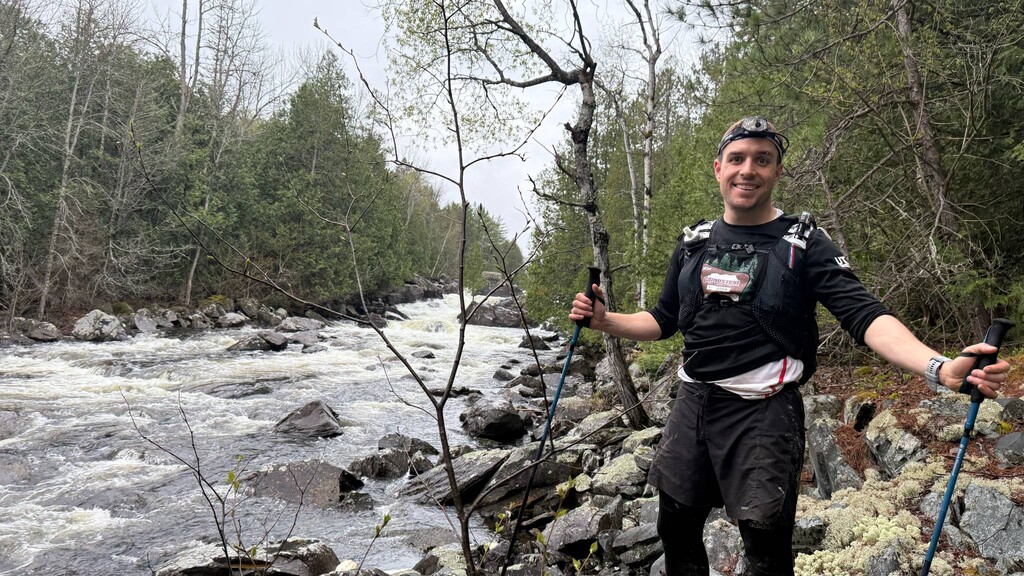
First major trial: the crossing of the Ottertail River—about 30 meters wide, with icy water up to mid-thigh. A risky crossing, where a single mistake could’ve had serious consequences. We emerged frozen, legs numb and trembling.
Stage 4 – Ottertail Creek to Rabbit Lake (km 42 to 62)
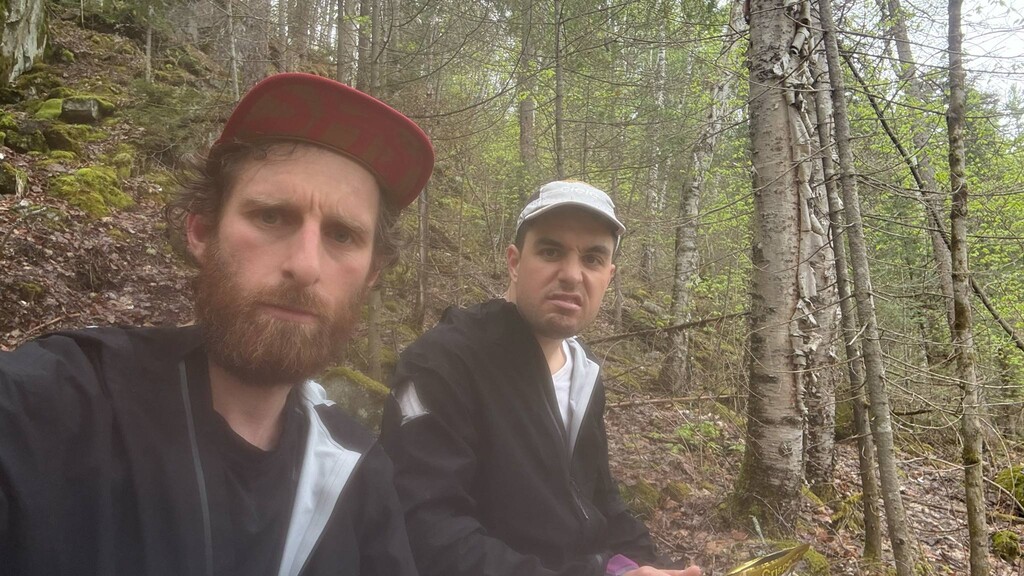
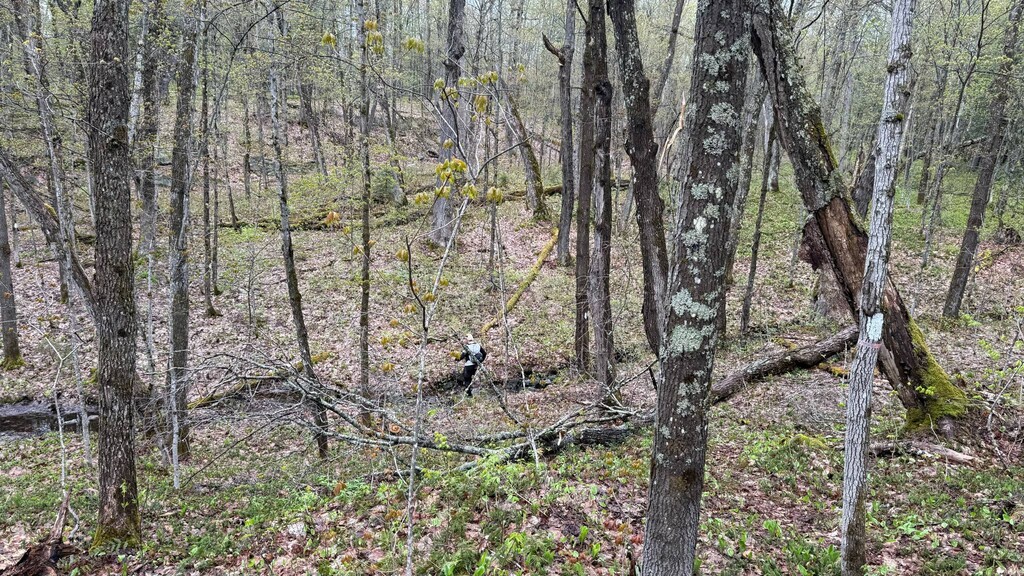
This marked the beginning of the blowdown nightmare—trees that had fallen across the trail over the winter. Hundreds of them. Progress slowed dramatically: climbing, crawling, bushwhacking. This section took a serious toll. Justin tore his jacket and nearly shredded his pack on the sharp branches of these fallen trees.
Stage 5 – Rabbit Lake to Matabichuan (km 62 to 95)
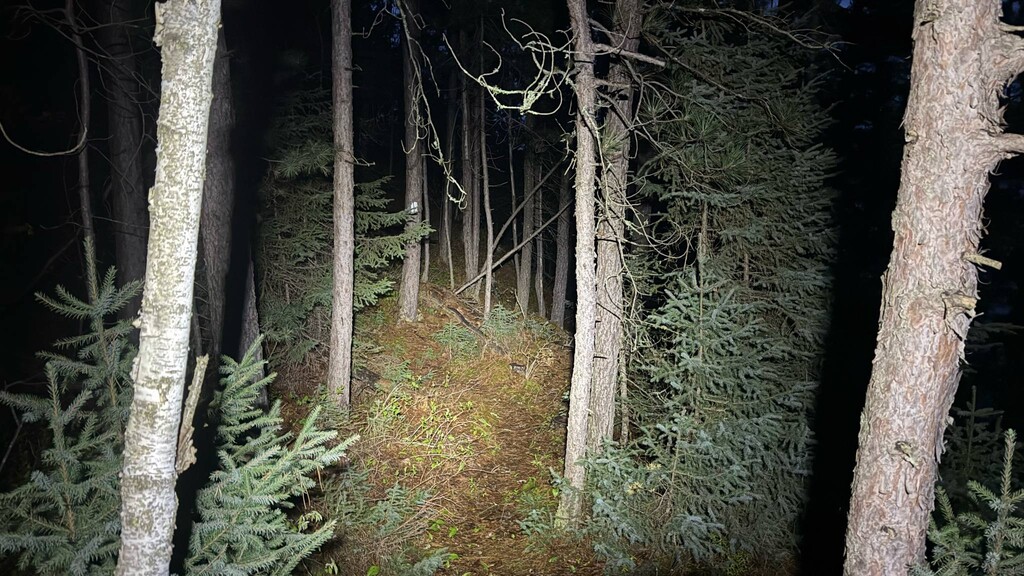
Night fell. Fatigue deepened. The slope became brutally steep—up to 30%—as we tackled the biggest climb of the course, stretching over nearly 9 km. The climb seemed endless and was broken by steep descents, also up to 30%.
Our pace slowed to a crawl. More fallen trees blocked the trail. Navigating around them became a huge challenge in the dark. Physical pain mounted and our mental resilience cracked. The cold and rain made the trail feel alive—like it had a will of its own, determined to break us and stop us from achieving this wild goal we had dared to believe in. This was, without question, the hardest moment of the entire journey. But by gritting our teeth, helping each other, and sticking to our nutrition and hydration plan, we got through it.
Shoutout to ginger Gravol, which brought us back from the dead around 3 a.m.!
Stage 6 – Matabichuan to Friday Lake (km 95 to 117)
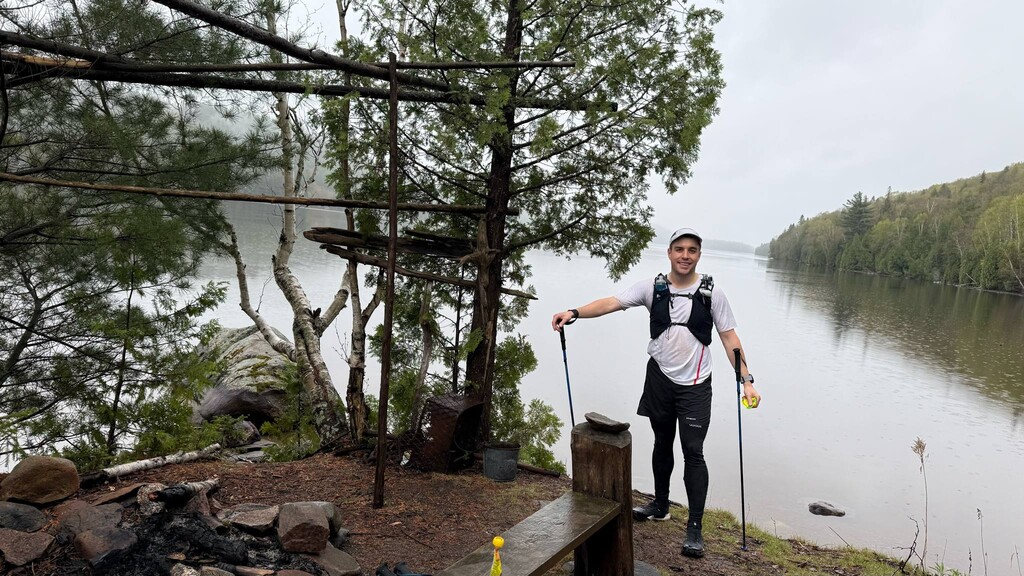
Daylight returned, and so did better weather. The trail was more pleasant. But the cumulative fatigue made every stop harder—stiff legs made restarting agony. We moved slowly but steadily, buoyed by the beauty of the landscape and the promise of the finish.
Stage 7 – Friday Lake to the Finish (km 117 to 145)
A sense of rebirth surged through us. The sun came out for the first time. Desperation gave way to hope. We crossed a gorgeous valley filled with maple trees and golden light. For the first time, we saw hikers. The immense weight of isolation—the constant stress of being so far from civilization and the risks of injury—began to lift.
In the final climbs, Mike (as always in EVERY race!) surged ahead, spurred on by our first glimpse of Route 11, the road where our journey would finally end. It was our first sign of civilization in almost 35 hours. A sudden downpour closed out the adventure, as if the trail’s last attempt to stop us from reaching victory.
The Finish
Our friends were waiting at the end, and the emotion was overwhelming—but also strangely empty. For the first time in 34 hours, 56 minutes, and 33 seconds, we no longer had to think about hydration, nutrition, safety, or weather.
We had finished. We had achieved this insane goal that had fueled us through the long winter months. A goal that terrified us, but also pushed us to tap into deep reserves of strength and to learn more about ourselves.
We owe this victory to our preparation, our stubbornness, our teamwork—but none of it would have been possible without the unwavering support of those around us: family and friends. One of the greatest lessons from this experience is the power and importance of those relationships—without them, none of this would have been possible.
Thank you to everyone who supported us, near or far. And a special thanks to the volunteers who maintain these 145 kilometers of wild trail year after year—their work is monumental and deeply appreciated.